THE ADVENTURE COLLECTIVE® · Independent discovery and booking for outdoor travel

Walk through working sake breweries in Nada and learn how Rokko spring water, rice polishing, and yeast create distinct flavors. This three-hour guided tour pairs tastings with museum context and optional sweets stops—ideal for food-minded travelers based in Kobe or Osaka.
Walk through working sake breweries in Nada and learn how Rokko spring water, rice polishing, and yeast create distinct flavors. This three-hour guided tour pairs tastings with museum context and optional sweets stops—ideal for food-minded travelers based in Kobe or Osaka.
A narrow lane opens onto a white-plastered brewery gate and the sharp, yeasty scent of fermentation. In Nada, between Osaka and Kobe, visitors move from courtyard gardens to low-lying kura (storehouses) where cedar barrels creak and cold spring water runs through stone channels—water that has shaped the flavor of local sake for centuries.
Verified experiences and guided adventures in the surrounding area.
Operated by Table a Cloth Food Tour · Kobe, Hyogo Prefecture
A narrow lane opens onto a white-plastered brewery gate and the sharp, yeasty scent of fermentation. In Nada, between Osaka and Kobe, visitors move from courtyard gardens to low-lying kura (storehouses) where cedar barrels creak and cold spring water runs through stone channels—water that has shaped the flavor of local sake for centuries.
Nada is one of Japan’s three historic sake producing regions; the Rokko Mountains give soft, mineral-balanced water and nearby ports made rice and finished product easy to move. Many breweries here are family-run operations with production methods that mix Edo-period techniques and modern temperature control. Cultural touchstones—shrine festivals like Toka-Ebisu and centuries-old shopfronts selling sweets—still sit beside industrial buildings.
On a guided three-hour tour, expect two brewery visits with two tasting glasses included at each stop, a visit to the Hakutaka/Rokusuien-style museum to learn mash and koji basics, and optional sweets-shop stops. Guides explain how water, rice polishing ratio, and yeast strains shape aroma and mouthfeel; they also manage etiquette for sipping and pairing with small bites.
Practical notes: carry government ID for tastings, book weekday insider access at least a week ahead, and plan for several short walks between sites. Dress for easy walking and variable indoor temperatures, pace alcohol samples, and respect no-photo zones. This tour suits curious travelers who want a hands-on primer in sake—part tasting, part local history, entirely grounded in place.
moderate.
3 hours.
Suitable for travelers who can walk short distances and stand for brief tastings; moderate fitness recommended.
The standard itinerary visits two breweries with two tasting glasses provided at each; extra tastings may require an additional fee.
This private tour covers short transfers between stops; confirm pick-up or meeting-point details with the operator when booking.
Many stops and transportation options are wheelchair accessible, but access to production areas can be limited—advise the operator of mobility needs when booking.
Sweets stops can be arranged on request but are not included in the base price; notify your guide ahead of time for recommendations or reservations.
Nada developed as a sake district because Rokko spring water, easy access to rice via nearby ports, and trade networks supported large-scale production from the Edo period onward.
Breweries now focus on efficient water use and wastewater treatment; visitors should follow site rules, avoid littering, and minimize disruption to production areas.
Table a Cloth Food Tour operates guided outdoor trips and adventures with an emphasis on safety, stewardship, and memorable experiences.
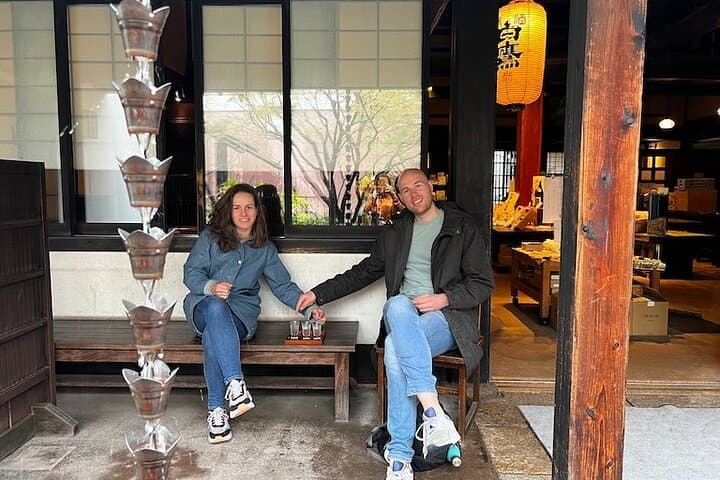
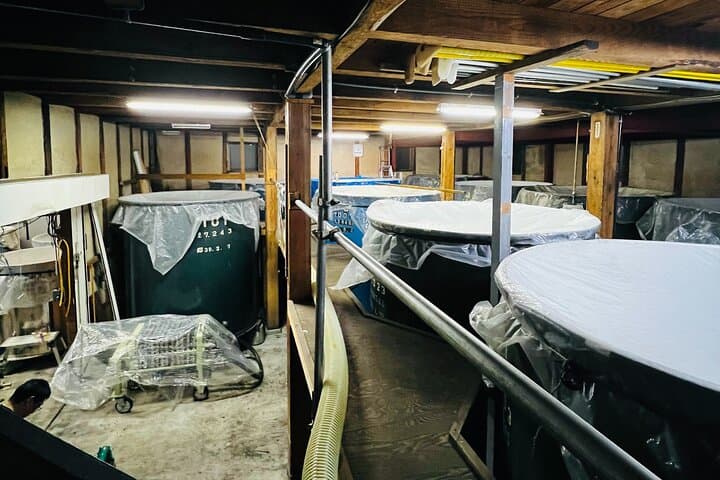
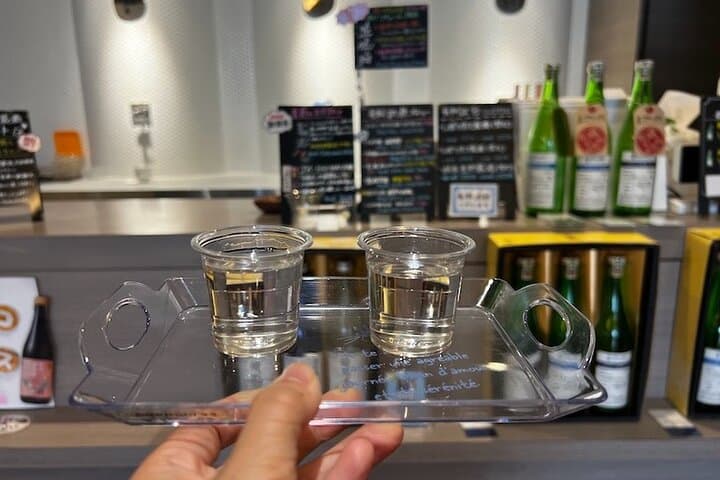
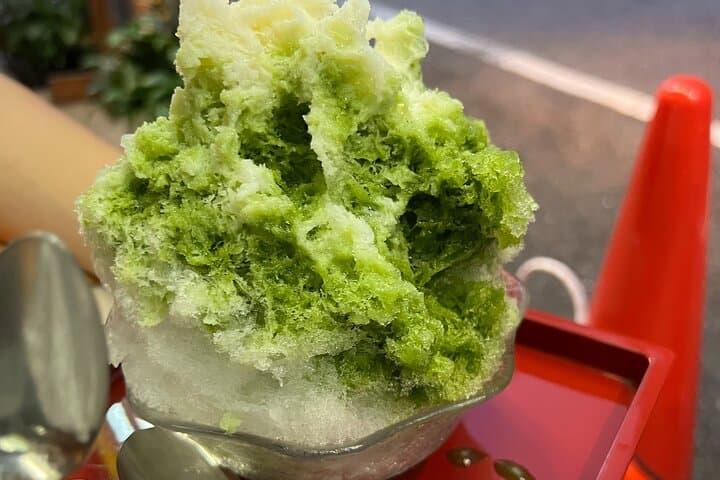
A narrow lane opens onto a white-plastered brewery gate and the sharp, yeasty scent of fermentation. In Nada, between Osaka and Kobe, visitors move from courtyard gardens to low-lying kura (storehouses) where cedar barrels creak and cold spring water runs through stone channels—water that has shaped the flavor of local sake for centuries.
A narrow lane opens onto a white-plastered brewery gate and the sharp, yeasty scent of fermentation. In Nada, between Osaka and Kobe, visitors move from courtyard gardens to low-lying kura (storehouses) where cedar barrels creak and cold spring water runs through stone channels—water that has shaped the flavor of local sake for centuries.
Nada is one of Japan’s three historic sake producing regions; the Rokko Mountains give soft, mineral-balanced water and nearby ports made rice and finished product easy to move. Many breweries here are family-run operations with production methods that mix Edo-period techniques and modern temperature control. Cultural touchstones—shrine festivals like Toka-Ebisu and centuries-old shopfronts selling sweets—still sit beside industrial buildings.
On a guided three-hour tour, expect two brewery visits with two tasting glasses included at each stop, a visit to the Hakutaka/Rokusuien-style museum to learn mash and koji basics, and optional sweets-shop stops. Guides explain how water, rice polishing ratio, and yeast strains shape aroma and mouthfeel; they also manage etiquette for sipping and pairing with small bites.
Practical notes: carry government ID for tastings, book weekday insider access at least a week ahead, and plan for several short walks between sites. Dress for easy walking and variable indoor temperatures, pace alcohol samples, and respect no-photo zones. This tour suits curious travelers who want a hands-on primer in sake—part tasting, part local history, entirely grounded in place.