THE ADVENTURE COLLECTIVE® · Independent discovery and booking for outdoor travel

Explore Punta del Este’s Museo del Mar with a private licensed guide and included admission. See whale skeletons, thousands of shells, and four distinct collections that trace coastal natural history and beach culture.
Explore Punta del Este’s Museo del Mar with a private licensed guide and included admission. See whale skeletons, thousands of shells, and four distinct collections that trace coastal natural history and beach culture.
You step up the steps of Museo del Mar and the Atlantic seems to rearrange its stories—whale ribs like cathedral arches, shells stacked in ordered chaos, and old seaside photographs that still smell faintly of salt and sunscreen.
Verified experiences and guided adventures in the surrounding area.
Operated by New York City Tours · Punta del Este, Maldonado Department
You step up the steps of Museo del Mar and the Atlantic seems to rearrange its stories—whale ribs like cathedral arches, shells stacked in ordered chaos, and old seaside photographs that still smell faintly of salt and sunscreen.
Housed where Punta del Este’s coastal life meets curious collecting, the museum groups four distinct threads: the Marine Museum’s preserved specimens and skeletal displays, the Beach Resort Museum’s period postcards and swimwear, the Nostalgia Museum’s early-20th-century objects, and an Insectarium that surprises with size and variety. Geology and oceanography thread through the exhibits—local sediments and currents that ferry shells and bones to shore—while cultural displays chart the town’s rise from fishing outpost to fashionable resort during the 20th century.
Guided visits are conversational and tactile: expect close-up looks at whale vertebrae, explanations of how specimens were prepared, and stories about beach life across generations. The guide will pace the visit for families and curious adults, answering questions about Uruguay’s coastal ecology and the ethics of collecting.
Practical guidance: tours run about two hours; arrive 10–15 minutes early to meet the guide and sort tickets. Wear comfortable shoes—the floorplan is broad but involves standing—and bring a camera (flash may be restricted in some rooms). Peak summer afternoons draw crowds; early mornings or late afternoons are quieter. Respect exhibit rules, avoid touching preserved specimens, and record questions for the guide; a private tour maximizes time with the curator’s stories.
easy.
2 hours.
Low—suitable for families, older visitors, and anyone comfortable with light standing and walking
Yes—this private tour includes admission to all Museo del Mar exhibitions as described in the booking details.
Yes—the museum reports wheelchair-accessible entrances and surfaces; specify any accessibility needs when booking so guides can assist.
The standard private tour runs about two hours, which covers all four museum sections at a relaxed pace.
Yes—families are welcome; exhibits like the Insectarium and whale skeletons are especially engaging for older children, though infants should remain supervised.
The museum assembles natural history and cultural collections that trace Uruguay’s coastal life and the 20th-century rise of Punta del Este as a beach resort, grouping scientific specimens with social artifacts.
The museum emphasizes preservation of specimens and cultural items; visitors are encouraged to respect exhibit rules and avoid removing natural objects from the coastline.
New York City Tours operates guided outdoor trips and adventures with an emphasis on safety, stewardship, and memorable experiences.


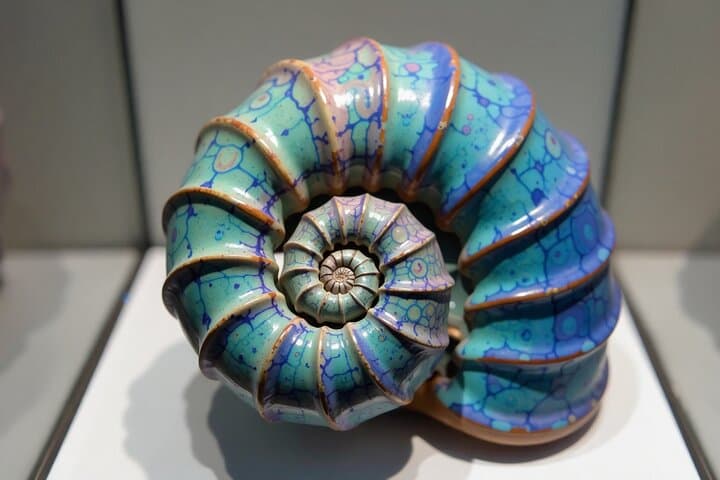

You step up the steps of Museo del Mar and the Atlantic seems to rearrange its stories—whale ribs like cathedral arches, shells stacked in ordered chaos, and old seaside photographs that still smell faintly of salt and sunscreen.
You step up the steps of Museo del Mar and the Atlantic seems to rearrange its stories—whale ribs like cathedral arches, shells stacked in ordered chaos, and old seaside photographs that still smell faintly of salt and sunscreen.
Housed where Punta del Este’s coastal life meets curious collecting, the museum groups four distinct threads: the Marine Museum’s preserved specimens and skeletal displays, the Beach Resort Museum’s period postcards and swimwear, the Nostalgia Museum’s early-20th-century objects, and an Insectarium that surprises with size and variety. Geology and oceanography thread through the exhibits—local sediments and currents that ferry shells and bones to shore—while cultural displays chart the town’s rise from fishing outpost to fashionable resort during the 20th century.
Guided visits are conversational and tactile: expect close-up looks at whale vertebrae, explanations of how specimens were prepared, and stories about beach life across generations. The guide will pace the visit for families and curious adults, answering questions about Uruguay’s coastal ecology and the ethics of collecting.
Practical guidance: tours run about two hours; arrive 10–15 minutes early to meet the guide and sort tickets. Wear comfortable shoes—the floorplan is broad but involves standing—and bring a camera (flash may be restricted in some rooms). Peak summer afternoons draw crowds; early mornings or late afternoons are quieter. Respect exhibit rules, avoid touching preserved specimens, and record questions for the guide; a private tour maximizes time with the curator’s stories.