THE ADVENTURE COLLECTIVE® · Independent discovery and booking for outdoor travel

Step into a converted Beaux‑Arts railway station and spend hours with Monet, Van Gogh, Renoir and more. This practical guide explains what to expect, how to plan your visit, and the best ways to experience Musée d’Orsay without wasting time in lines.
Step into a converted Beaux‑Arts railway station and spend hours with Monet, Van Gogh, Renoir and more. This practical guide explains what to expect, how to plan your visit, and the best ways to experience Musée d’Orsay without wasting time in lines.
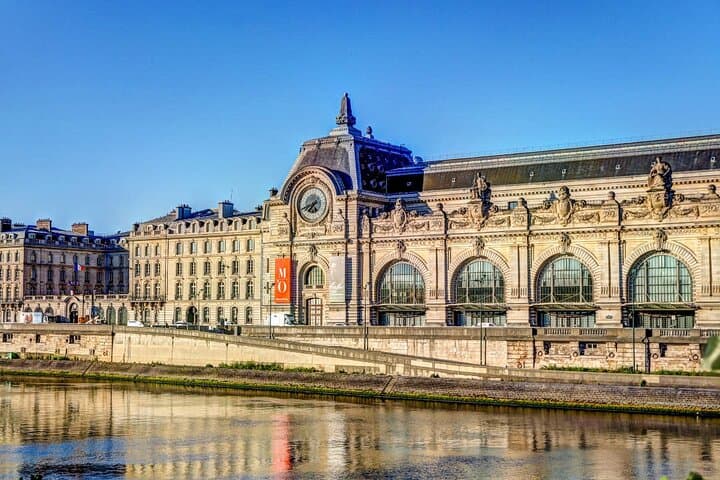
You step through a vaulted threshold into a former Beaux-Arts railway hall where light gathers like a quiet audience behind a giant clock face.
Verified experiences and guided adventures in the surrounding area.
Operated by TrevoTour Travels · Paris, Île-de-France
You step through a vaulted threshold into a former Beaux-Arts railway hall where light gathers like a quiet audience behind a giant clock face.
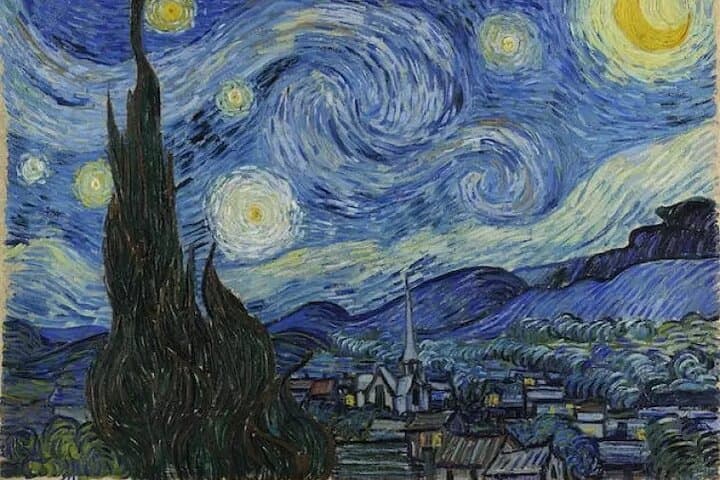
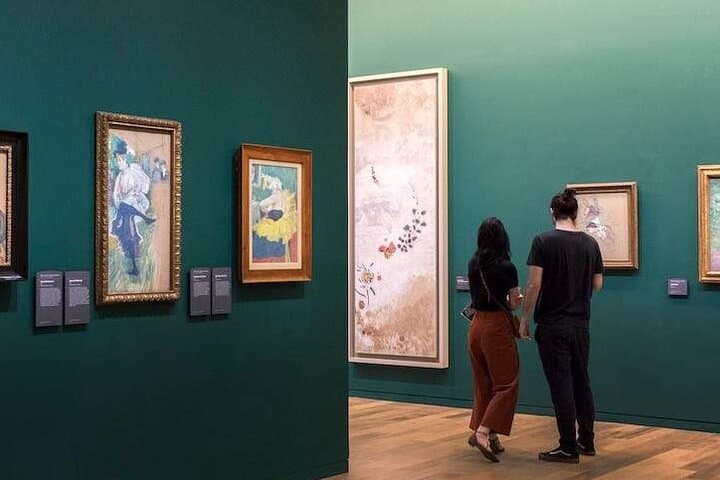
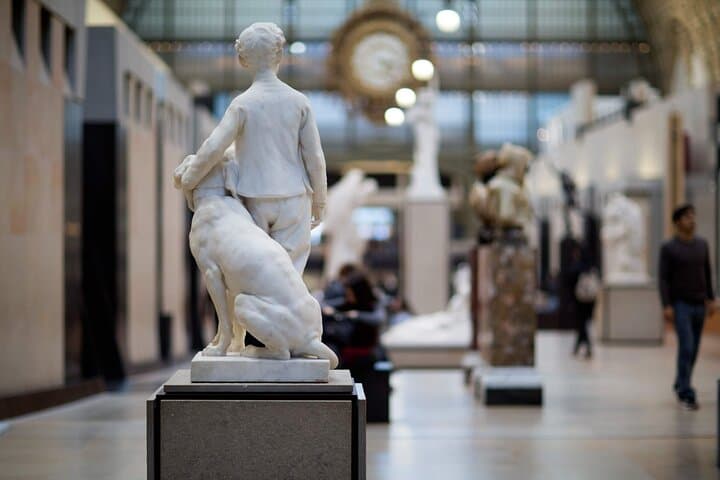
The Musée d’Orsay occupies the old Gare d’Orsay, built by Victor Laloux for the 1900 Exposition; the station’s iron bones and marble concourses now frame one of the world’s great collections of 19th- and early-20th-century art. Galleries spill down long, sunlit avenues—Monet’s brushstrokes shimmer across canvas squares, van Gogh’s color pulses under museum-controlled light, and Degas’ dancers seem to shift between the shadows of sculpted bronze.
Geology gives way to industrial history here: stone and steel reworked into exhibition halls that look out over the Seine and the Tuileries. The museum’s clocks offer panoramic city views and a reminder that Paris itself is part of the exhibition.
Plan practically: tickets are mobile-friendly and require redemption at line C1 on arrival; the museum is closed Mondays, and hours extend late on Thursdays. Allow two to three hours for a focused visit; half a day suits enthusiasts who want the permanent collection plus a temporary exhibition and café break. Accessibility is good—ramps and elevators are in place, though cloakroom capacity is reduced during renovations. Free admission applies to under-18s and eligible EU youth with ID; expect queues on weekends and late-afternoon Thursdays.
Bring comfortable shoes and a charged phone for photos (where allowed), move deliberately between galleries, and respect placards and distance rules—the works are fragile, and the building’s climate systems are part of the conservation story. The Musée d’Orsay rewards slow looking: up close, the paint still argues with light.
easy.
8–9 hours (self-paced visit; 2–3 hours minimum).
Suitable for visitors of all fitness levels—expect standing and walking on flat floors; bring comfortable shoes.
No—mobile tickets are accepted but must be redeemed at the museum’s Line C1 desk on arrival.
Yes—there are elevators and ramps; consult staff on arrival for the most accessible route through galleries.
The museum is closed on Mondays and on some public holidays (notably 1 May and 25 December).
Yes—admission is free for children under 18 and for EU nationals aged 19–25 with valid photo ID; temporary exhibition access may vary.
Housed in the former Gare d’Orsay (built for the 1900 Exposition), the museum opened in 1986 after converting the Beaux‑Arts station into exhibition space.
The Musée d’Orsay maintains strict climate control to protect sensitive inks and pigments; visitors are asked to follow distance rules and no-flash photography in restricted areas.
TrevoTour Travels operates guided outdoor trips and adventures with an emphasis on safety, stewardship, and memorable experiences.
You step through a vaulted threshold into a former Beaux-Arts railway hall where light gathers like a quiet audience behind a giant clock face.
You step through a vaulted threshold into a former Beaux-Arts railway hall where light gathers like a quiet audience behind a giant clock face.
The Musée d’Orsay occupies the old Gare d’Orsay, built by Victor Laloux for the 1900 Exposition; the station’s iron bones and marble concourses now frame one of the world’s great collections of 19th- and early-20th-century art. Galleries spill down long, sunlit avenues—Monet’s brushstrokes shimmer across canvas squares, van Gogh’s color pulses under museum-controlled light, and Degas’ dancers seem to shift between the shadows of sculpted bronze.
Geology gives way to industrial history here: stone and steel reworked into exhibition halls that look out over the Seine and the Tuileries. The museum’s clocks offer panoramic city views and a reminder that Paris itself is part of the exhibition.
Plan practically: tickets are mobile-friendly and require redemption at line C1 on arrival; the museum is closed Mondays, and hours extend late on Thursdays. Allow two to three hours for a focused visit; half a day suits enthusiasts who want the permanent collection plus a temporary exhibition and café break. Accessibility is good—ramps and elevators are in place, though cloakroom capacity is reduced during renovations. Free admission applies to under-18s and eligible EU youth with ID; expect queues on weekends and late-afternoon Thursdays.
Bring comfortable shoes and a charged phone for photos (where allowed), move deliberately between galleries, and respect placards and distance rules—the works are fragile, and the building’s climate systems are part of the conservation story. The Musée d’Orsay rewards slow looking: up close, the paint still argues with light.