THE ADVENTURE COLLECTIVE® · Independent discovery and booking for outdoor travel

Step behind the glass to watch Murano masters shape fire into art. This private 3–4 hour visit pairs an artisan demonstration with island history and optional hands-on workshops.
Step behind the glass to watch Murano masters shape fire into art. This private 3–4 hour visit pairs an artisan demonstration with island history and optional hands-on workshops.
A door opens onto heat and light: molten glass spins in the air, arc-like, as a master vetraio coaxes color and form from a glowing blob. The workshop smells faintly of coal and sand; steam and reflection make every surface luminous. That immediacy—watching raw materials become an object you can hold—defines this private Murano experience.
Verified experiences and guided adventures in the surrounding area.
Operated by Friend in Venice Private Tours · Murano, Veneto
A door opens onto heat and light: molten glass spins in the air, arc-like, as a master vetraio coaxes color and form from a glowing blob. The workshop smells faintly of coal and sand; steam and reflection make every surface luminous. That immediacy—watching raw materials become an object you can hold—defines this private Murano experience.
Murano’s glass tradition stretches back to the 13th century when glassmakers were moved off Venice’s main islands for fire safety. The island’s volcanic-derived sands and access to trade routes shaped a distinct craft vocabulary: canes, lattimo, millefiori. Architecture on Murano nods to its Byzantine and Venetian past—the seventh-century Basilica dei Santi Maria e Donato is an example of the island’s deep history visitors often pair with studio visits.
Culturally, glass here is both commodity and identity: guilds protected technique for centuries, and contemporary fornace still blend apprenticeship with artistic risk. Expect a mix of demonstration and storytelling—masters will explain annealing, color chemistry and the choreography of the bench.
Practical guidance: the tour runs about 3–4 hours and is private; standing near hot furnaces is part of the visit, so closed-toe shoes are required. The pace is gentle—there are short walks between sites—and most areas are accessible, but ask ahead if you need a ramped route. Bring a camera, a reusable water bottle, and a light layer for breezy lagoon evenings. If you plan to try a workshop add-on (mosaic or blowing), book in advance and allow extra time for demonstrations and cooling. Cash or card both accepted for purchases; expect small, handcrafted pieces to be priced accordingly.
easy.
3–4 hours.
Light mobility required: short walks and standing for demonstrations; suitable for most fitness levels.
Yes—on-request workshop options (blowing or mosaic) are available but should be requested when booking and may add time and a supplement.
Studios allow children but the environment includes hot furnaces; infants are usually required to sit on laps and close supervision is mandatory.
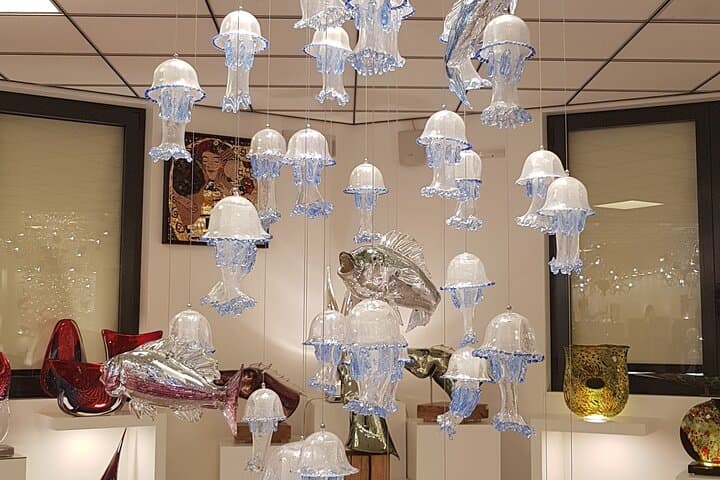
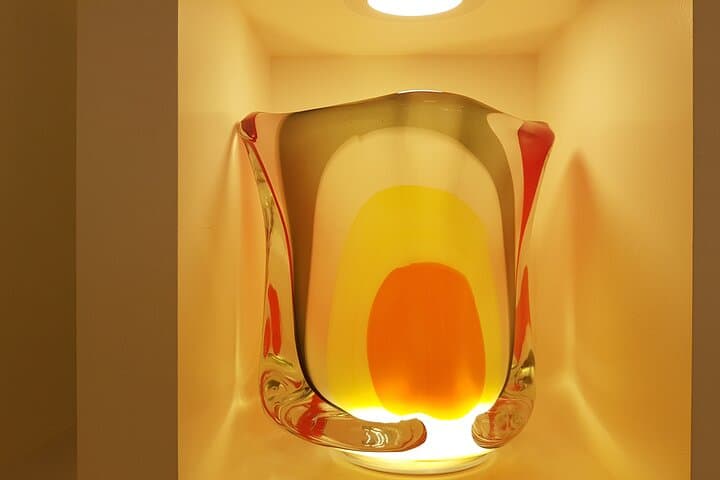
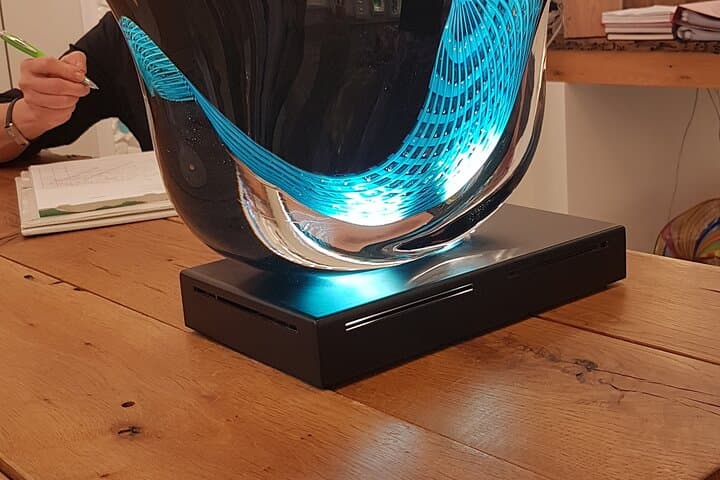
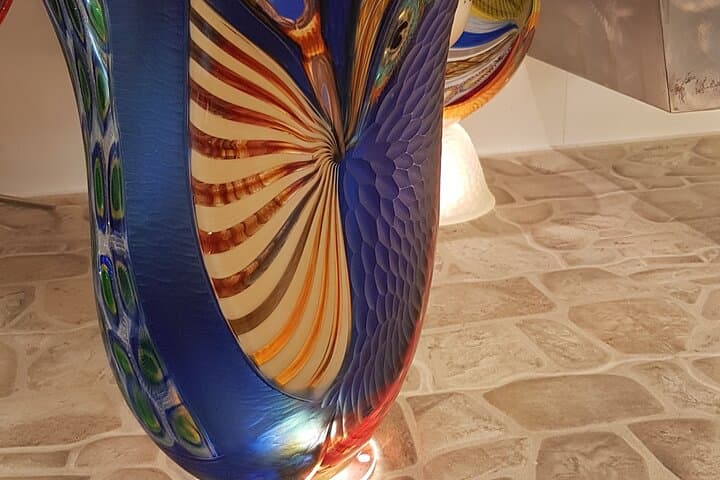
Most artisans sell finished pieces; many shops offer shipping services—confirm packaging and export paperwork at purchase to avoid surprises.
The tour lists wheelchair-accessible areas and transport; notify the operator about mobility needs to ensure ramps and accessible vehicles are arranged.
Glassmaking was centralized on Murano in the 13th century to protect Venice from fires and to control trade secrets; that move forged the island’s global reputation for technique and style.
Murano studios increasingly focus on reducing energy use and recycling cullet (broken glass) to cut raw material demand; visitors are encouraged to buy thoughtfully and pack purchases securely to avoid loss.
Friend in Venice Private Tours operates guided outdoor trips and adventures with an emphasis on safety, stewardship, and memorable experiences.
A door opens onto heat and light: molten glass spins in the air, arc-like, as a master vetraio coaxes color and form from a glowing blob. The workshop smells faintly of coal and sand; steam and reflection make every surface luminous. That immediacy—watching raw materials become an object you can hold—defines this private Murano experience.
A door opens onto heat and light: molten glass spins in the air, arc-like, as a master vetraio coaxes color and form from a glowing blob. The workshop smells faintly of coal and sand; steam and reflection make every surface luminous. That immediacy—watching raw materials become an object you can hold—defines this private Murano experience.
Murano’s glass tradition stretches back to the 13th century when glassmakers were moved off Venice’s main islands for fire safety. The island’s volcanic-derived sands and access to trade routes shaped a distinct craft vocabulary: canes, lattimo, millefiori. Architecture on Murano nods to its Byzantine and Venetian past—the seventh-century Basilica dei Santi Maria e Donato is an example of the island’s deep history visitors often pair with studio visits.
Culturally, glass here is both commodity and identity: guilds protected technique for centuries, and contemporary fornace still blend apprenticeship with artistic risk. Expect a mix of demonstration and storytelling—masters will explain annealing, color chemistry and the choreography of the bench.
Practical guidance: the tour runs about 3–4 hours and is private; standing near hot furnaces is part of the visit, so closed-toe shoes are required. The pace is gentle—there are short walks between sites—and most areas are accessible, but ask ahead if you need a ramped route. Bring a camera, a reusable water bottle, and a light layer for breezy lagoon evenings. If you plan to try a workshop add-on (mosaic or blowing), book in advance and allow extra time for demonstrations and cooling. Cash or card both accepted for purchases; expect small, handcrafted pieces to be priced accordingly.