THE ADVENTURE COLLECTIVE® · Independent discovery and booking for outdoor travel

Walk through centuries of glassmaking on Murano, from Roman shards to 20th-century masterpieces. This guide explains what to expect, how to plan your visit, and where to extend the experience on the island.
Walk through centuries of glassmaking on Murano, from Roman shards to 20th-century masterpieces. This guide explains what to expect, how to plan your visit, and where to extend the experience on the island.
You step off the vaporetto and the canal exhales—bronze water, gull-cry, and the clean clink of glass. The Museo del Vetro sits on Murano’s waterfront, a compact museum whose rooms let the island’s craft speak for itself: delicate goblets, intricate millefiori, and vessels that catch light like small suns.
Verified experiences and guided adventures in the surrounding area.
Operated by Weekend in Italy · Murano, Veneto
You step off the vaporetto and the canal exhales—bronze water, gull-cry, and the clean clink of glass. The Museo del Vetro sits on Murano’s waterfront, a compact museum whose rooms let the island’s craft speak for itself: delicate goblets, intricate millefiori, and vessels that catch light like small suns.
Founded in 1861, the museum traces Murano’s long arc from Roman-era glass to the explosive creativity of 15th–20th century masters. The ground floor’s archaeological finds anchor the collection in centuries of trade and technique; upstairs, blown and molded works chart shifting tastes and technologies. Murano’s identity is geological and cultural—silica and soda arrived via long-distance trade, and local furnaces turned raw minerals into objects that defined Venetian display and commerce.
Expect compact galleries with clear captions and many hands-on stories about techniques like filigrana, sommerso, and a canework that bends color into pattern. Ambient heat from historical furnaces is absent here, but the pieces retain that furnace-born intensity. Nearby glassworks and studio demonstrations add context—book a combined visit if you want to see glass still forming.
Practicalities: allow 60–120 minutes, arrive early to avoid cruise-ship surges, and pick up the museum’s timed ticket at the reservation cashier 15 minutes before your slot. Photography without flash is generally acceptable; wear comfortable shoes—Murano’s sidewalks are uneven—and bring a light layer for breezy quayside walks after the museum visit.
easy.
1–3 hours.
Suitable for visitors of all fitness levels; involves standing and light walking on uneven pavements
Plan 60–120 minutes to see the chronological collection and read key labels; longer if you combine the visit with nearby studios.
The museum uses timed vouchers—exchange the official voucher from the museum’s ticketing partner at the reservation cashier 15 minutes before your slot; alternative vouchers may not be accepted.
Yes—the museum reports wheelchair-accessible surfaces and services; check specific assistance needs with the museum ahead of your visit.
Demonstrations at working furnaces are usually offered by separate studios around Murano, not inside the museum; check local studios for schedules and fees.
Murano’s furnaces were centralized by Venetian decree in the 13th century to limit fire risk and to keep glassmaking techniques within the island’s workshops, creating a concentrated culture of craft.
Heavy visitation stresses fragile museum displays and the small island’s infrastructure—follow museum rules, avoid touching exhibits, and support local artisans to keep craft economies sustainable.
Weekend in Italy operates guided outdoor trips and adventures with an emphasis on safety, stewardship, and memorable experiences.
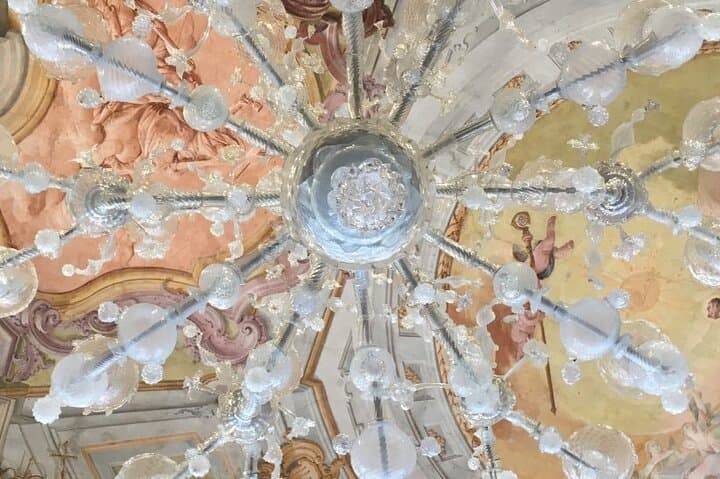
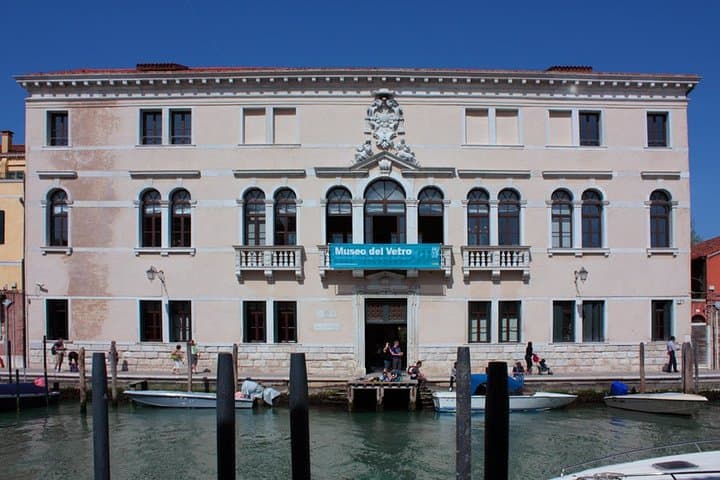
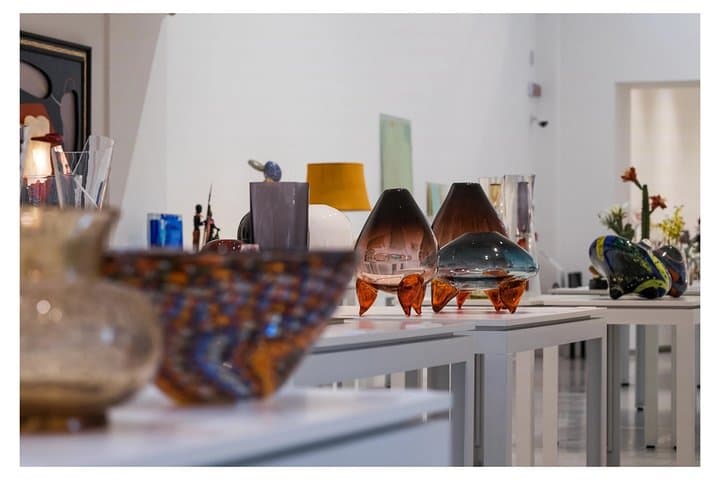
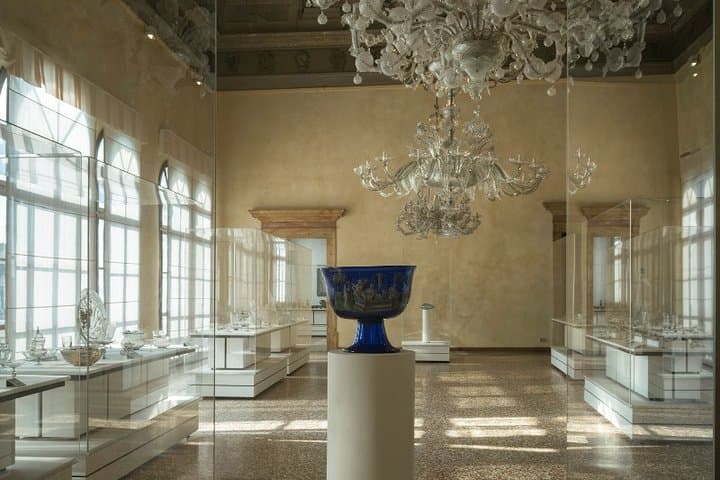
You step off the vaporetto and the canal exhales—bronze water, gull-cry, and the clean clink of glass. The Museo del Vetro sits on Murano’s waterfront, a compact museum whose rooms let the island’s craft speak for itself: delicate goblets, intricate millefiori, and vessels that catch light like small suns.
You step off the vaporetto and the canal exhales—bronze water, gull-cry, and the clean clink of glass. The Museo del Vetro sits on Murano’s waterfront, a compact museum whose rooms let the island’s craft speak for itself: delicate goblets, intricate millefiori, and vessels that catch light like small suns.
Founded in 1861, the museum traces Murano’s long arc from Roman-era glass to the explosive creativity of 15th–20th century masters. The ground floor’s archaeological finds anchor the collection in centuries of trade and technique; upstairs, blown and molded works chart shifting tastes and technologies. Murano’s identity is geological and cultural—silica and soda arrived via long-distance trade, and local furnaces turned raw minerals into objects that defined Venetian display and commerce.
Expect compact galleries with clear captions and many hands-on stories about techniques like filigrana, sommerso, and a canework that bends color into pattern. Ambient heat from historical furnaces is absent here, but the pieces retain that furnace-born intensity. Nearby glassworks and studio demonstrations add context—book a combined visit if you want to see glass still forming.
Practicalities: allow 60–120 minutes, arrive early to avoid cruise-ship surges, and pick up the museum’s timed ticket at the reservation cashier 15 minutes before your slot. Photography without flash is generally acceptable; wear comfortable shoes—Murano’s sidewalks are uneven—and bring a light layer for breezy quayside walks after the museum visit.