THE ADVENTURE COLLECTIVE® · Independent discovery and booking for outdoor travel

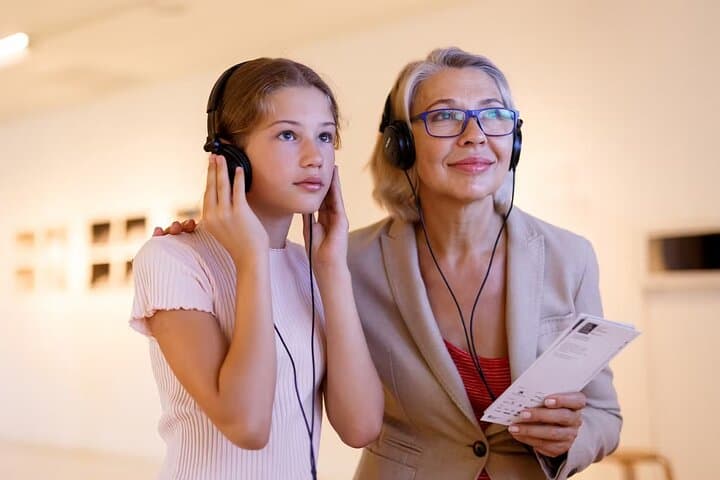
Visit Mozart's only preserved Vienna residence and move through the rooms where he composed, negotiated commissions, and lived. The multilingual audio guide turns period furniture and manuscripts into clear stories about his work and daily life.
Visit Mozart's only preserved Vienna residence and move through the rooms where he composed, negotiated commissions, and lived. The multilingual audio guide turns period furniture and manuscripts into clear stories about his work and daily life.
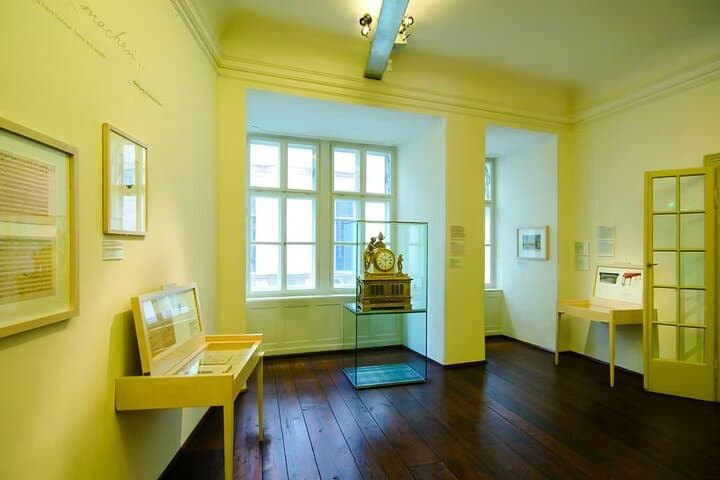
You step across the creaking threshold on a damp Vienna morning and the street noise softens; the building inhales and offers its own history. Light filters through tall sash windows onto painted walls, and the audio guide's calm voice nudges you from room to room, pointing out the gestures of a life spent composing and negotiating public taste.
Verified experiences and guided adventures in the surrounding area.
Operated by Dream Fly Tourism LLC · Vienna, Vienna
You step across the creaking threshold on a damp Vienna morning and the street noise softens; the building inhales and offers its own history. Light filters through tall sash windows onto painted walls, and the audio guide's calm voice nudges you from room to room, pointing out the gestures of a life spent composing and negotiating public taste.
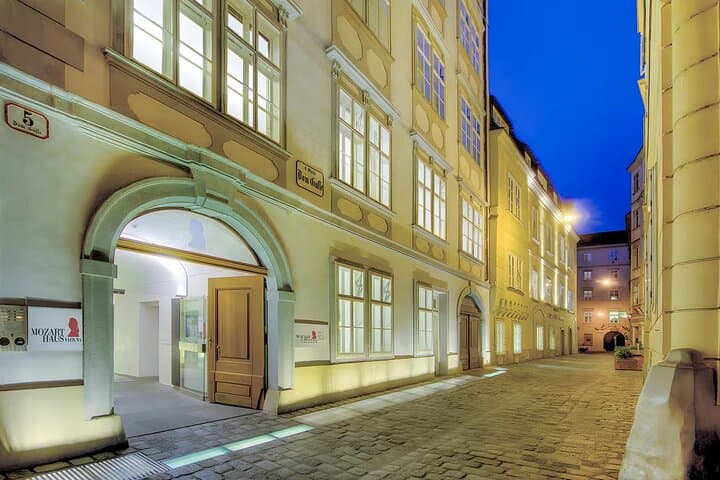
Mozarthaus occupies an 18th-century townhouse in Vienna's historic center where Wolfgang Amadeus Mozart lived and worked during crucial years of his career. The rooms preserve period furnishings and display manuscripts, personal items, and contextual exhibits that place Mozart within Vienna's musical and social networks. The building itself reflects late Baroque urban architecture and sits a short walk from St. Stephen’s Cathedral and the Graben, embedding the visit in the city's dense cultural core.
Culturally, the museum frames Mozart not as myth but as a working composer—small apartments, public commissions, and moments of private doubt. Audio narration supplies practical anecdotes about routines, commissions, and the pressures of 18th-century patronage.
Practical guidance: allow 60–90 minutes for a focused visit, longer if you plan to read exhibits. Buy timed tickets in advance during high season to avoid queues. The rooms are compact and partially stepped; comfortable shoes and a light jacket help with cobbled streets and museum temperatures. Public transit accesses the nearby Stephansplatz; photography rules vary so follow signage. For travelers who want a concentrated cultural stop in central Vienna, Mozarthaus rewards attention with intimate, well-curated insight into one of Western music's defining figures.
easy.
1–3 hours.
Suitable for visitors of all fitness levels; requires ability to navigate stairs and narrow rooms.
Plan for 60–90 minutes for the main exhibits; allow up to three hours if you read all displays and use multimedia stations.
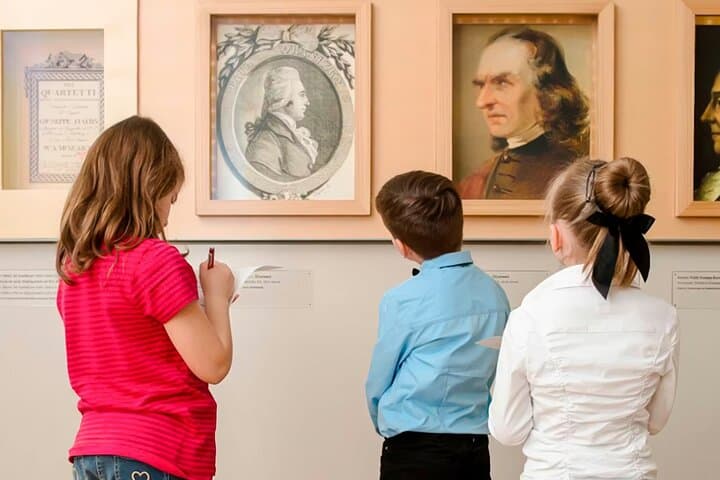
Yes—multilingual audio guides are provided and included with entry, with a special children’s version in eight languages.
The museum has historical architecture with some stairs; check accessibility details with the venue for specific mobility needs.
Walk-up tickets are possible but limited during peak times—online timed tickets are recommended to guarantee entry.
Mozarthaus marks the composer’s residence during his Vienna years when he premiered major operas and navigated shifting patronage systems in late 18th-century Habsburg society.
The museum balances access with preservation—restricted photography, controlled light levels, and climate management protect delicate manuscripts and furnishings.
Dream Fly Tourism LLC operates guided outdoor trips and adventures with an emphasis on safety, stewardship, and memorable experiences.
You step across the creaking threshold on a damp Vienna morning and the street noise softens; the building inhales and offers its own history. Light filters through tall sash windows onto painted walls, and the audio guide's calm voice nudges you from room to room, pointing out the gestures of a life spent composing and negotiating public taste.
You step across the creaking threshold on a damp Vienna morning and the street noise softens; the building inhales and offers its own history. Light filters through tall sash windows onto painted walls, and the audio guide's calm voice nudges you from room to room, pointing out the gestures of a life spent composing and negotiating public taste.
Mozarthaus occupies an 18th-century townhouse in Vienna's historic center where Wolfgang Amadeus Mozart lived and worked during crucial years of his career. The rooms preserve period furnishings and display manuscripts, personal items, and contextual exhibits that place Mozart within Vienna's musical and social networks. The building itself reflects late Baroque urban architecture and sits a short walk from St. Stephen’s Cathedral and the Graben, embedding the visit in the city's dense cultural core.
Culturally, the museum frames Mozart not as myth but as a working composer—small apartments, public commissions, and moments of private doubt. Audio narration supplies practical anecdotes about routines, commissions, and the pressures of 18th-century patronage.
Practical guidance: allow 60–90 minutes for a focused visit, longer if you plan to read exhibits. Buy timed tickets in advance during high season to avoid queues. The rooms are compact and partially stepped; comfortable shoes and a light jacket help with cobbled streets and museum temperatures. Public transit accesses the nearby Stephansplatz; photography rules vary so follow signage. For travelers who want a concentrated cultural stop in central Vienna, Mozarthaus rewards attention with intimate, well-curated insight into one of Western music's defining figures.