THE ADVENTURE COLLECTIVE® · Independent discovery and booking for outdoor travel

Step into a working cigar factory on Calle Ocho: taste Cuban coffee, watch master rollers at work, and learn how tobacco became central to Miami’s Cuban heritage. This 30–45 minute tour combines hands-on sensory moments with historical context.
Step into a working cigar factory on Calle Ocho: taste Cuban coffee, watch master rollers at work, and learn how tobacco became central to Miami’s Cuban heritage. This 30–45 minute tour combines hands-on sensory moments with historical context.
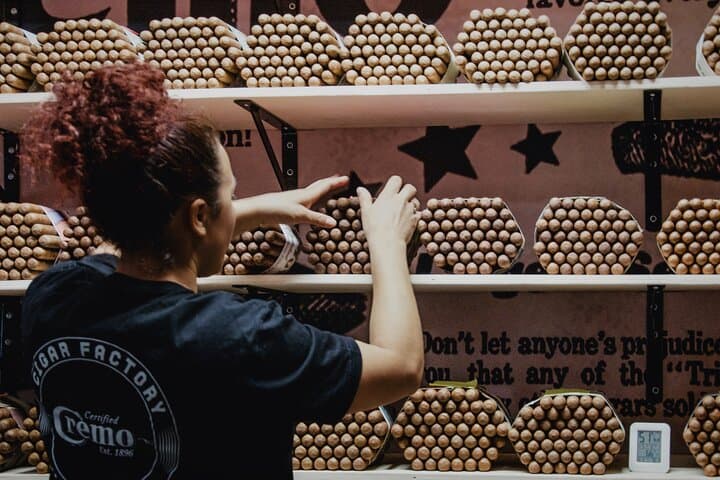
You step off Calle Ocho into a corridor of warm air, thick with roasted coffee and cured tobacco. Inside the factory, master rollers move with practiced rhythm; leaves whisper under skilled fingers and a small cup of strong Cuban coffee cuts the coastal humidity. The room tastes of history and work—this is Miami’s living link to Cuban tobacco traditions.
Verified experiences and guided adventures in the surrounding area.
Operated by Cremo Cigar Factory · Miami, Florida
You step off Calle Ocho into a corridor of warm air, thick with roasted coffee and cured tobacco. Inside the factory, master rollers move with practiced rhythm; leaves whisper under skilled fingers and a small cup of strong Cuban coffee cuts the coastal humidity. The room tastes of history and work—this is Miami’s living link to Cuban tobacco traditions.
Cigar making in Miami traces to the late 19th and 20th centuries, when Cuban artisans and refugees brought techniques that shaped the city’s culture. The factory tour sketches that arc: seed to wrapper leaf, the social rituals of smoking, and the role of brands like Cremo in Florida’s industry. Geology plays a quiet part—the flat limestone of South Florida and its subtropical climate historically shaped agricultural choices and trade routes that funneled tobacco through Caribbean ports into Miami.
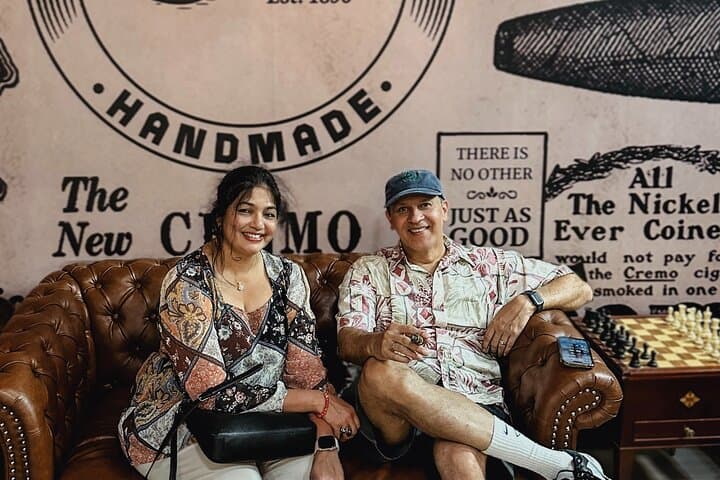
The tour is short and sensory: a tobacco touch-and-smell session, a live demo by Cuban rollers, two house cigars, and a photo backdrop that ties modern craft to immigrant histories. It’s accessible—wheelchair friendly and suitable for most visitors—but not recommended for pregnant people or those with heart conditions. Plan for 30–45 minutes, arrive early to avoid Calle Ocho crowds, and bring ID if you want to buy additional cigars.
Practical tips: keep hydrated in summer, expect air conditioning inside, and remember that indoor smoking policies vary—ask staff about designated areas. The tour offers an immediate, compact way to understand Miami’s Cuban cultural imprint without needing hours or special equipment.
easy.
30–45 minutes.
Suitable for most fitness levels; mostly standing and walking on flat indoor surfaces.
Yes—the experience includes two house cigars and a welcome Cuban coffee; additional cigars are often available for purchase.
Yes, the factory notes wheelchair accessibility and accessible transportation nearby—call ahead if you need special accommodations.
This is an observational tour with live demonstrations from master rollers; hands-on rolling is typically not part of the standard visit.
The tour provider lists it as not recommended for pregnant travelers due to tobacco smoke exposure.
Miami’s cigar industry grew with Cuban immigration and the relocation of cigar makers in the early 20th century; brands like Cremo are part of that continuity.
Tobacco and packaging create waste—look for vendors using recyclable packaging and support makers who source materials responsibly.
Cremo Cigar Factory operates guided outdoor trips and adventures with an emphasis on safety, stewardship, and memorable experiences.


You step off Calle Ocho into a corridor of warm air, thick with roasted coffee and cured tobacco. Inside the factory, master rollers move with practiced rhythm; leaves whisper under skilled fingers and a small cup of strong Cuban coffee cuts the coastal humidity. The room tastes of history and work—this is Miami’s living link to Cuban tobacco traditions.
You step off Calle Ocho into a corridor of warm air, thick with roasted coffee and cured tobacco. Inside the factory, master rollers move with practiced rhythm; leaves whisper under skilled fingers and a small cup of strong Cuban coffee cuts the coastal humidity. The room tastes of history and work—this is Miami’s living link to Cuban tobacco traditions.
Cigar making in Miami traces to the late 19th and 20th centuries, when Cuban artisans and refugees brought techniques that shaped the city’s culture. The factory tour sketches that arc: seed to wrapper leaf, the social rituals of smoking, and the role of brands like Cremo in Florida’s industry. Geology plays a quiet part—the flat limestone of South Florida and its subtropical climate historically shaped agricultural choices and trade routes that funneled tobacco through Caribbean ports into Miami.
The tour is short and sensory: a tobacco touch-and-smell session, a live demo by Cuban rollers, two house cigars, and a photo backdrop that ties modern craft to immigrant histories. It’s accessible—wheelchair friendly and suitable for most visitors—but not recommended for pregnant people or those with heart conditions. Plan for 30–45 minutes, arrive early to avoid Calle Ocho crowds, and bring ID if you want to buy additional cigars.
Practical tips: keep hydrated in summer, expect air conditioning inside, and remember that indoor smoking policies vary—ask staff about designated areas. The tour offers an immediate, compact way to understand Miami’s Cuban cultural imprint without needing hours or special equipment.