THE ADVENTURE COLLECTIVE® · Independent discovery and booking for outdoor travel

Step inside Meteora’s cliff-top monasteries with a licensed local guide and see frescoes, icon screens, and monastic life explained in context. This private hour-long tour focuses on interiors, history, and the geology that shaped Greece’s dramatic rock pillars.
Step inside Meteora’s cliff-top monasteries with a licensed local guide and see frescoes, icon screens, and monastic life explained in context. This private hour-long tour focuses on interiors, history, and the geology that shaped Greece’s dramatic rock pillars.
You arrive at the foot of a cliff road and the rock pillars of Meteora rise like ancient columns, their faces pitted by wind and time. The local guide leads you through a carved entrance; sunlight pools on frescoes and incense threads the air. This is not a landscape you observe from a distance — it is an active, inhabited cultural site where history lives in painted walls and wooden icon screens.
Verified experiences and guided adventures in the surrounding area.
Operated by Visit Meteora · Kalambaka, Thessaly
You arrive at the foot of a cliff road and the rock pillars of Meteora rise like ancient columns, their faces pitted by wind and time. The local guide leads you through a carved entrance; sunlight pools on frescoes and incense threads the air. This is not a landscape you observe from a distance — it is an active, inhabited cultural site where history lives in painted walls and wooden icon screens.
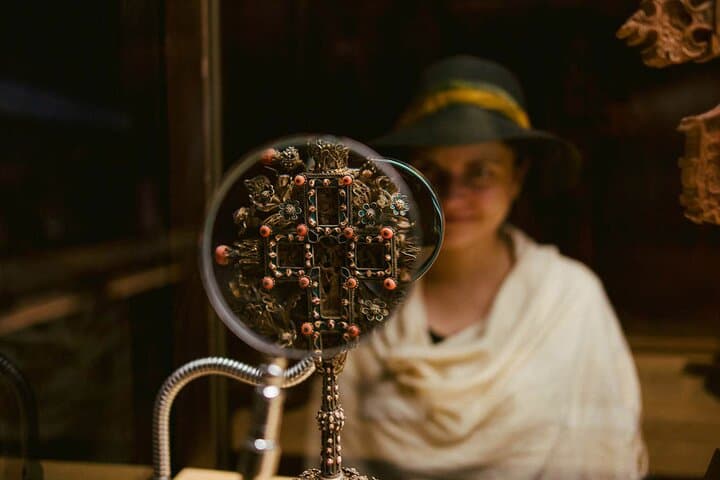
Meteora’s rocks are sandstone and conglomerate laid down millions of years ago and sculpted by erosion into vertical towers. By the 14th century, hermit monks had scaled these towers to build communities that balanced isolation with artistry. The monasteries that survive today show Byzantine architecture, fresco cycles, and centuries of Orthodox practice — each chapel a compact museum of devotional life.
Culturally, a guide translates not just language but ritual: why certain icons face east, how monastic economies functioned, and the rituals that still mark feast days. Locals in Kalambaka and nearby Kastraki maintain cafes and small workshops that reflect a living relationship with the site.
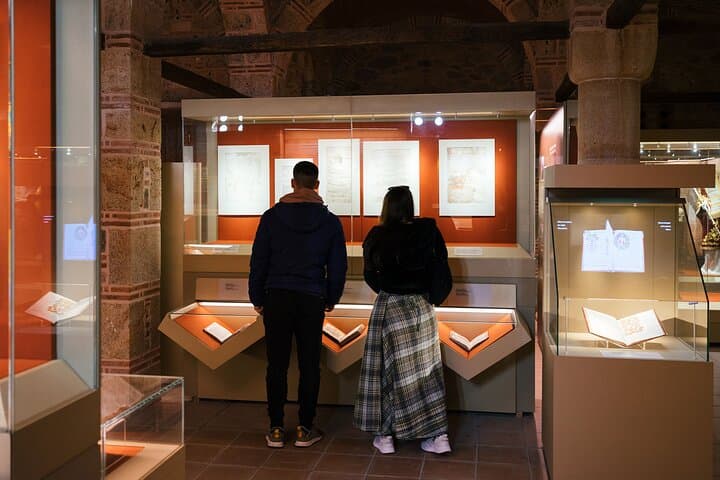
Practical notes: tours often last about an hour and focus on interior spaces — modest dress is required and photography rules vary by church. Expect stone steps and narrow passages; the guide handles access and context. Bring a refillable water bottle, wear sturdy walking shoes, and plan for early or late visits to avoid crowds and high midday sun. This private, licensed-guided visit puts the art, faith, and geology of Meteora into immediate, comprehensible relief.
easy.
1 hour.
Suitable for travelers in average health; requires negotiating stairs and short uneven stretches.
The guided interior-focused tour runs about 60 minutes, concentrating on selected monasteries’ chapels and iconography.
Yes — guides can provide the tour in English, Spanish, French, or Italian.
Children are welcome, but the sites have stairs and narrow passages; those with limited mobility should check specific monastery access beforehand.
Mobile tickets are accepted, but keep your confirmation handy; some entrances may request to see it.
Monastic settlement began in the 14th century when ascetics sought refuge on these sandstone pillars; several monasteries date from medieval Byzantine periods and remain active today.
Meteora is a UNESCO World Heritage Site with visitor regulations to protect frescoes and fragile rock; stay on marked paths, avoid touching painted surfaces, and support local conservation fees where required.
Visit Meteora operates guided outdoor trips and adventures with an emphasis on safety, stewardship, and memorable experiences.
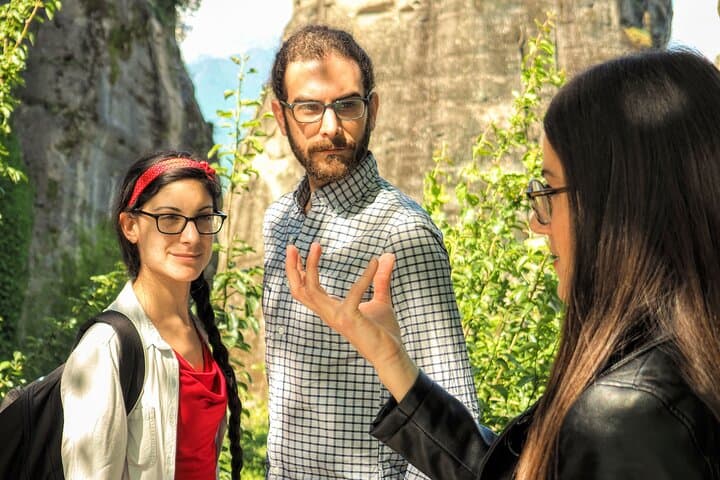

You arrive at the foot of a cliff road and the rock pillars of Meteora rise like ancient columns, their faces pitted by wind and time. The local guide leads you through a carved entrance; sunlight pools on frescoes and incense threads the air. This is not a landscape you observe from a distance — it is an active, inhabited cultural site where history lives in painted walls and wooden icon screens.
You arrive at the foot of a cliff road and the rock pillars of Meteora rise like ancient columns, their faces pitted by wind and time. The local guide leads you through a carved entrance; sunlight pools on frescoes and incense threads the air. This is not a landscape you observe from a distance — it is an active, inhabited cultural site where history lives in painted walls and wooden icon screens.
Meteora’s rocks are sandstone and conglomerate laid down millions of years ago and sculpted by erosion into vertical towers. By the 14th century, hermit monks had scaled these towers to build communities that balanced isolation with artistry. The monasteries that survive today show Byzantine architecture, fresco cycles, and centuries of Orthodox practice — each chapel a compact museum of devotional life.
Culturally, a guide translates not just language but ritual: why certain icons face east, how monastic economies functioned, and the rituals that still mark feast days. Locals in Kalambaka and nearby Kastraki maintain cafes and small workshops that reflect a living relationship with the site.
Practical notes: tours often last about an hour and focus on interior spaces — modest dress is required and photography rules vary by church. Expect stone steps and narrow passages; the guide handles access and context. Bring a refillable water bottle, wear sturdy walking shoes, and plan for early or late visits to avoid crowds and high midday sun. This private, licensed-guided visit puts the art, faith, and geology of Meteora into immediate, comprehensible relief.