THE ADVENTURE COLLECTIVE® · Independent discovery and booking for outdoor travel

Step into Memphis’ Woodruff-Fontaine House for a one-hour, self-guided look at an 1871 French Victorian mansion. Expect period rooms, original details, and practical visitor notes including last admission at 3:30 p.m.
Step into Memphis’ Woodruff-Fontaine House for a one-hour, self-guided look at an 1871 French Victorian mansion. Expect period rooms, original details, and practical visitor notes including last admission at 3:30 p.m.
A light filters through tall, double-hung windows as hardwood floors creak underfoot — that’s the first impression at the Woodruff-Fontaine House on Adams Avenue. The house sits among the brick and iron of Memphis’ Victorian Village, where ornate brackets and mansard roofs catch the eye and the city’s river hum feels a block away.
Verified experiences and guided adventures in the surrounding area.
Operated by Woodruff-Fontaine House Museum · Memphis, Tennessee
A light filters through tall, double-hung windows as hardwood floors creak underfoot — that’s the first impression at the Woodruff-Fontaine House on Adams Avenue. The house sits among the brick and iron of Memphis’ Victorian Village, where ornate brackets and mansard roofs catch the eye and the city’s river hum feels a block away.
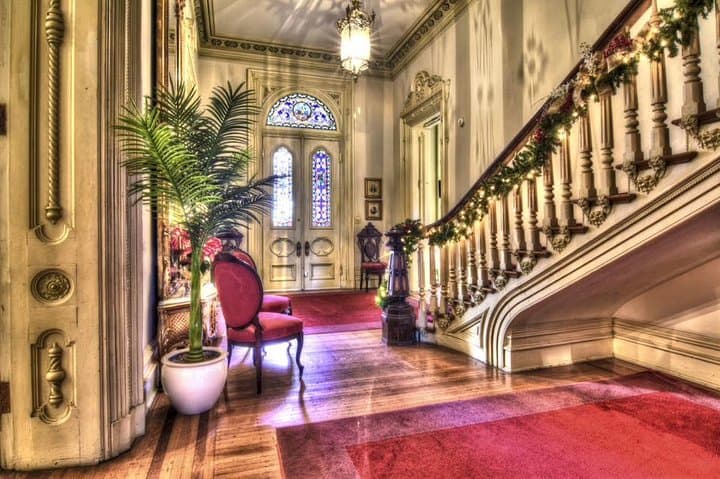
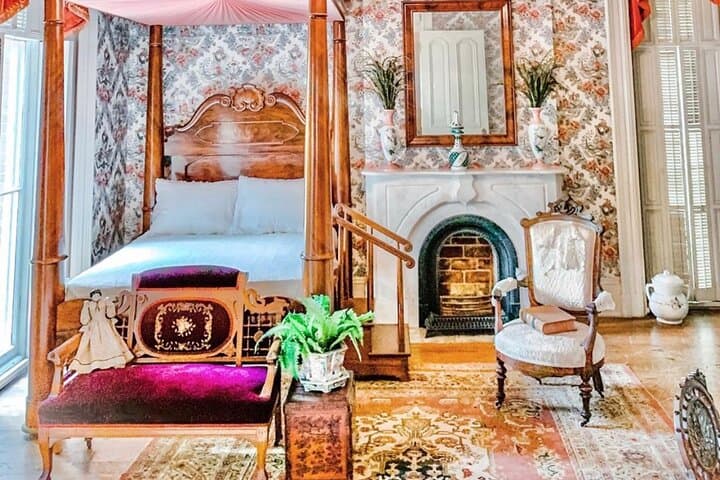
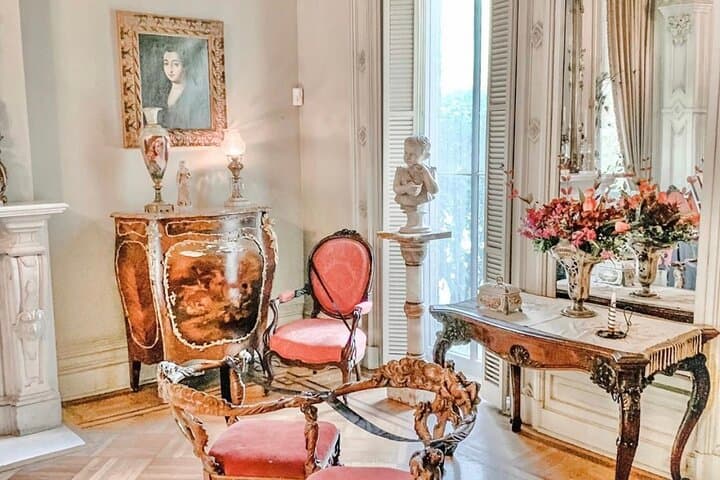
Built in 1871 in a French Victorian style, the mansion reflects post–Civil War prosperity in Memphis. Original plasterwork, carved mantels and period antiques give a clear line to the families who lived here: business owners and civic figures shaping a river city reinventing itself after conflict and yellow fever outbreaks. The neighborhood’s geology — low, alluvial soils of the Mississippi floodplain — dictated dense 19th-century development close to the riverfront and explains the house’s raised basement and close street setback.
Culturally, the house is part of a stretch of preserved Victorian homes that marks an early preservation movement in Memphis. Interpretive QR codes supplement artifacts for a self-guided rhythm: read, linger, move on.
Practical guidance: plan an hour; last admission is 3:30 p.m.; bring a mobile ticket or paper QR code for direct entry. The tour visits three floors including the basement, so expect stairs — the first floor is accessible and there are accessible restroom facilities in the Carriage House. Service animals are allowed and public transit stops nearby. Children under five may find the three-floor walk and delicate interiors challenging.
This visit suits history-minded travelers who prefer measured exploration over guided crowds — a compact, tactile dive into Memphis’ Victorian era with clear, visitor-focused access.
easy.
1 hour.
Suitable for most fitness levels; ability to climb stairs is required for full access
Tours are self-guided only; interpretive QR codes and exhibit labels provide historical context and details.
The first floor is accessible and there are handicap restroom facilities in the Carriage House, but there is no elevator to upper floors.
Plan about 60 minutes to view the main rooms and basement at a comfortable pace.
Children are welcome but the house may not be suitable for those under five due to stair access and delicate period furnishings.
The Woodruff-Fontaine House was constructed in 1871 and reflects the wealth and architectural tastes of Memphis’ post–Civil War merchant class; it’s a key property in the Victorian Village preservation area.
The museum is part of local preservation efforts focused on maintaining historic fabric; visitors are asked to respect fragile interiors and follow photography or touching guidelines to reduce wear.
Woodruff-Fontaine House Museum operates guided outdoor trips and adventures with an emphasis on safety, stewardship, and memorable experiences.
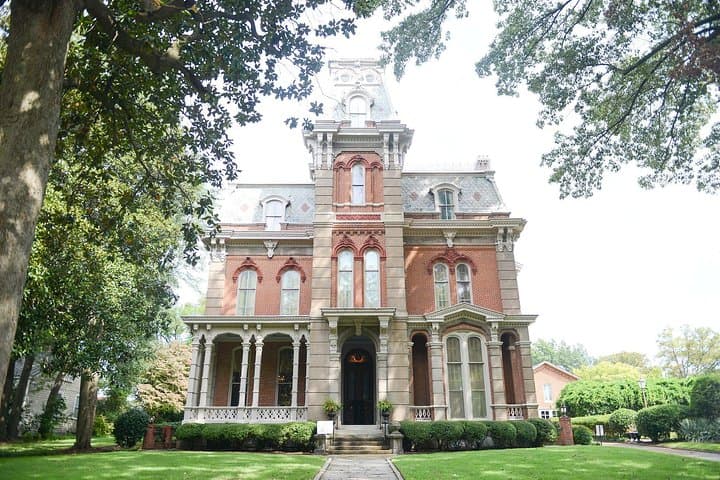
A light filters through tall, double-hung windows as hardwood floors creak underfoot — that’s the first impression at the Woodruff-Fontaine House on Adams Avenue. The house sits among the brick and iron of Memphis’ Victorian Village, where ornate brackets and mansard roofs catch the eye and the city’s river hum feels a block away.
A light filters through tall, double-hung windows as hardwood floors creak underfoot — that’s the first impression at the Woodruff-Fontaine House on Adams Avenue. The house sits among the brick and iron of Memphis’ Victorian Village, where ornate brackets and mansard roofs catch the eye and the city’s river hum feels a block away.
Built in 1871 in a French Victorian style, the mansion reflects post–Civil War prosperity in Memphis. Original plasterwork, carved mantels and period antiques give a clear line to the families who lived here: business owners and civic figures shaping a river city reinventing itself after conflict and yellow fever outbreaks. The neighborhood’s geology — low, alluvial soils of the Mississippi floodplain — dictated dense 19th-century development close to the riverfront and explains the house’s raised basement and close street setback.
Culturally, the house is part of a stretch of preserved Victorian homes that marks an early preservation movement in Memphis. Interpretive QR codes supplement artifacts for a self-guided rhythm: read, linger, move on.
Practical guidance: plan an hour; last admission is 3:30 p.m.; bring a mobile ticket or paper QR code for direct entry. The tour visits three floors including the basement, so expect stairs — the first floor is accessible and there are accessible restroom facilities in the Carriage House. Service animals are allowed and public transit stops nearby. Children under five may find the three-floor walk and delicate interiors challenging.
This visit suits history-minded travelers who prefer measured exploration over guided crowds — a compact, tactile dive into Memphis’ Victorian era with clear, visitor-focused access.