THE ADVENTURE COLLECTIVE® · Independent discovery and booking for outdoor travel

Walk Mayfair’s quieter galleries with an art historian and see works rarely exhibited elsewhere. This three-hour route weaves auction houses, private rooms and Bond Street’s public sculptures with historical context and practical tips for visitors.
Walk Mayfair’s quieter galleries with an art historian and see works rarely exhibited elsewhere. This three-hour route weaves auction houses, private rooms and Bond Street’s public sculptures with historical context and practical tips for visitors.
A late-morning in Mayfair starts with the hush of polished stone and the soft click of shoes on Piccadilly—windows glint with frames and sculptures, and the guide asks you to look up. The tour moves like a careful conversation: past auction-house corridors where catalogues whisper of provenance, through Cork Street’s narrow lanes where modernism first found a London foothold, and into compact private rooms that change with every exhibition.
Verified experiences and guided adventures in the surrounding area.
Operated by NEJA's Art Walks · London, England
A late-morning in Mayfair starts with the hush of polished stone and the soft click of shoes on Piccadilly—windows glint with frames and sculptures, and the guide asks you to look up. The tour moves like a careful conversation: past auction-house corridors where catalogues whisper of provenance, through Cork Street’s narrow lanes where modernism first found a London foothold, and into compact private rooms that change with every exhibition.
Mayfair’s streets were laid out in the 18th century on gravel and London clay; the district evolved from aristocratic townhouses to a global art market hub. Christie's and Sotheby’s trace a commercial lineage back to the 1700s, while Cork Street and Bond Street became experimental galleries in the 20th century—places that introduced Bacon, Klee and Miró to London. Today the neighborhood balances commercial auctions, discreet dealers and public-facing installations.
Expect a walkable route of roughly 2–3 miles of urban pavement with frequent stops: short gallery talks, glance-inside auction rooms, and rooftop or arcade views where sculpture punctuates façades. The historian-led format focuses on context—provenance, patronage and changing tastes—rather than dense art theory.
Practical guidance: wear comfortable shoes and bring a compact notebook or camera (respect gallery photo rules). Many spaces are free but small; avoid large backpacks, and keep conversations low to respect other visitors. Public transport is the easiest way to arrive—Bond Street and Green Park stations put you a few minutes from most meeting points. The tour suits anyone curious about art, history and the mechanics of how works move from studio to sale.
easy.
2.5 hours.
Suitable for anyone who can walk and stand for a few hours with short pauses; minimal fitness required
Yes—this tour visits galleries and auction-house public areas that do not charge entry, though some special exhibitions may have separate fees.
Most stops are street-level or in accessible buildings, and the operator lists the tour as wheelchair accessible—notify booking about specific needs.
Children are welcome; the content is adaptable, but small galleries can be tight—consider timing and group size.
Meeting is typically near a central Mayfair landmark or tube station; arriving by Bond Street or Green Park tube is convenient—confirm exact spot on booking.
Mayfair developed in the 18th century as an upscale residential quarter; its auction houses and galleries have driven London’s international art trade since the 18th and 19th centuries.
Support small galleries by buying catalogues or prints; respect no-flash policies and keep group sizes to advertised limits to reduce crowding.
NEJA's Art Walks operates guided outdoor trips and adventures with an emphasis on safety, stewardship, and memorable experiences.
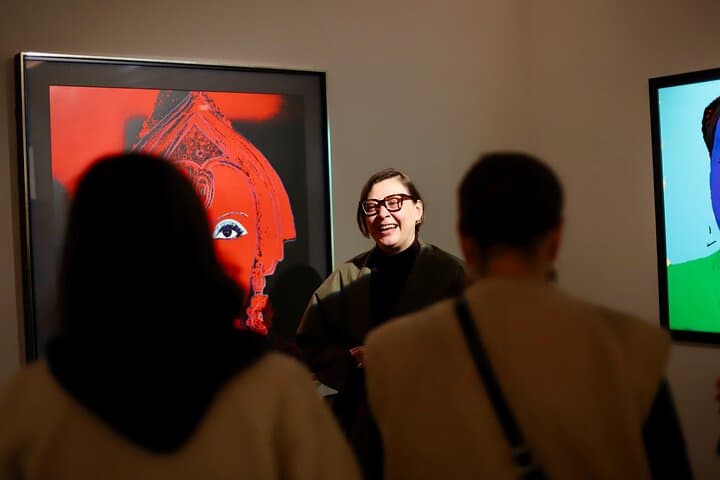
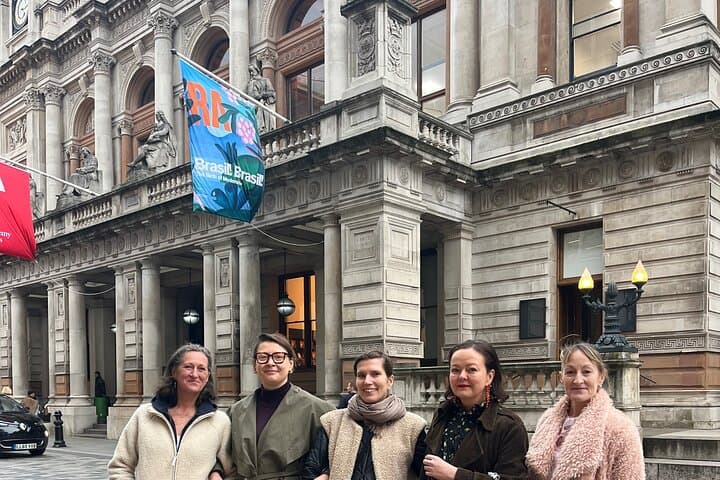
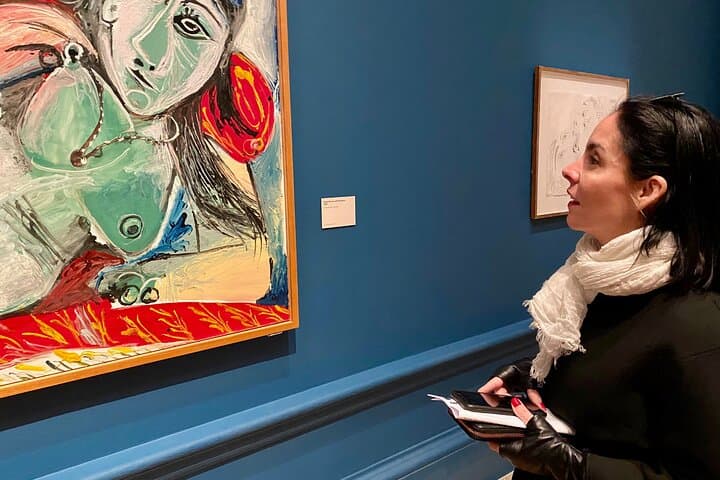
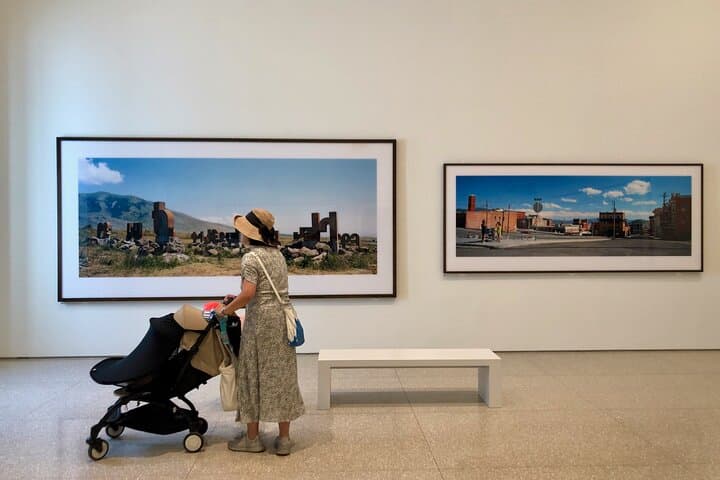
A late-morning in Mayfair starts with the hush of polished stone and the soft click of shoes on Piccadilly—windows glint with frames and sculptures, and the guide asks you to look up. The tour moves like a careful conversation: past auction-house corridors where catalogues whisper of provenance, through Cork Street’s narrow lanes where modernism first found a London foothold, and into compact private rooms that change with every exhibition.
A late-morning in Mayfair starts with the hush of polished stone and the soft click of shoes on Piccadilly—windows glint with frames and sculptures, and the guide asks you to look up. The tour moves like a careful conversation: past auction-house corridors where catalogues whisper of provenance, through Cork Street’s narrow lanes where modernism first found a London foothold, and into compact private rooms that change with every exhibition.
Mayfair’s streets were laid out in the 18th century on gravel and London clay; the district evolved from aristocratic townhouses to a global art market hub. Christie's and Sotheby’s trace a commercial lineage back to the 1700s, while Cork Street and Bond Street became experimental galleries in the 20th century—places that introduced Bacon, Klee and Miró to London. Today the neighborhood balances commercial auctions, discreet dealers and public-facing installations.
Expect a walkable route of roughly 2–3 miles of urban pavement with frequent stops: short gallery talks, glance-inside auction rooms, and rooftop or arcade views where sculpture punctuates façades. The historian-led format focuses on context—provenance, patronage and changing tastes—rather than dense art theory.
Practical guidance: wear comfortable shoes and bring a compact notebook or camera (respect gallery photo rules). Many spaces are free but small; avoid large backpacks, and keep conversations low to respect other visitors. Public transport is the easiest way to arrive—Bond Street and Green Park stations put you a few minutes from most meeting points. The tour suits anyone curious about art, history and the mechanics of how works move from studio to sale.