THE ADVENTURE COLLECTIVE® · Independent discovery and booking for outdoor travel

Navigate the medina with a local guide and watch centuries‑old crafts in action — from indigo dye pots and blacksmith forges to leather workshops and spice stalls. This intimate, 3–4 hour walking tour focuses on artisans and authentic marketplaces away from the main tourist lanes.
Navigate the medina with a local guide and watch centuries‑old crafts in action — from indigo dye pots and blacksmith forges to leather workshops and spice stalls. This intimate, 3–4 hour walking tour focuses on artisans and authentic marketplaces away from the main tourist lanes.
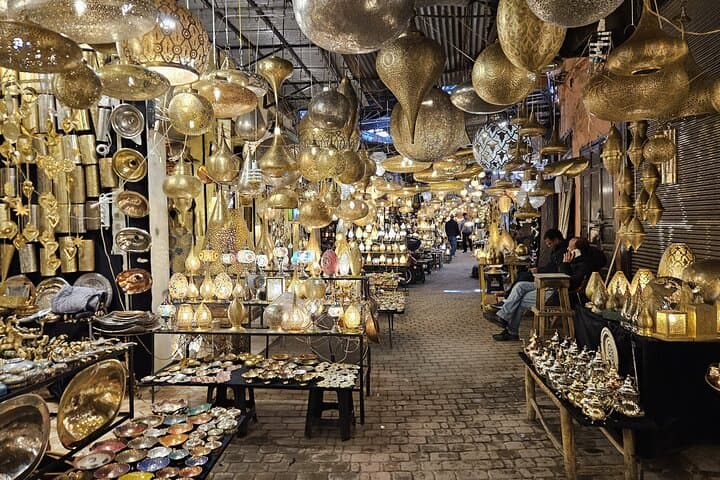
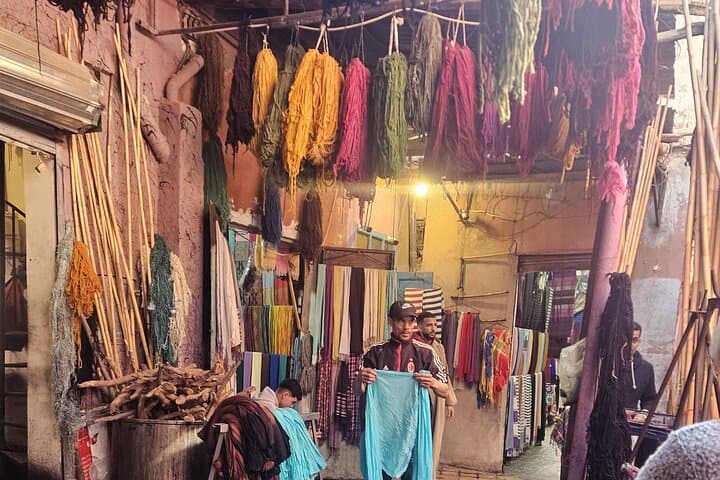
A morning in Marrakech begins with the medina breathing around you: alleys narrow to a human lane, lanterns dangle like punctuation, and the call from Jemaa el‑Fna threads through the air. The tour meets at the old Post Office, then slips into lanes where dyers, blacksmiths, leatherworkers and spice merchants carry on traditions that predate modern Morocco.
Verified experiences and guided adventures in the surrounding area.
Operated by Marrakechfood.tours · Marrakech, Marrakech-Safi
A morning in Marrakech begins with the medina breathing around you: alleys narrow to a human lane, lanterns dangle like punctuation, and the call from Jemaa el‑Fna threads through the air. The tour meets at the old Post Office, then slips into lanes where dyers, blacksmiths, leatherworkers and spice merchants carry on traditions that predate modern Morocco.
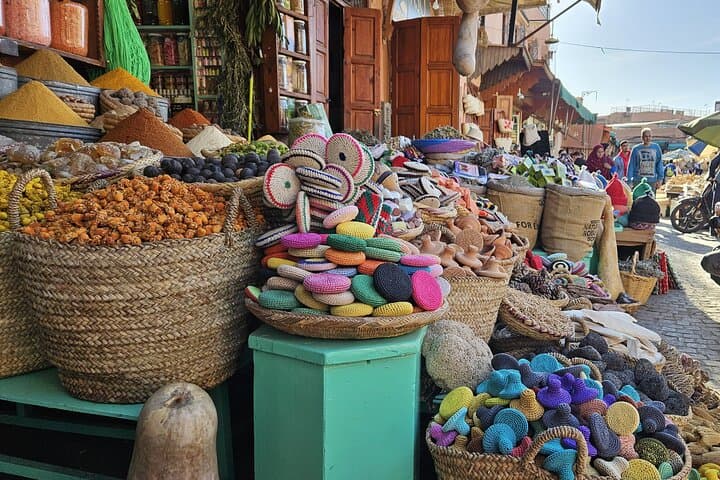
The medina dates to the 11th century; its markets grew alongside Marrakech as a regional crossroads. Stone and clay façades hold centuries of craft knowledge — indigo vats that stain fingers, hammer strikes that shape metal, and tanning rhythms that turn hide into beloved leather goods. The route moves from the Dyers' Market to the Blacksmith Market, pauses at a leather auction (when it runs), and visits lantern, slipper and carpet quarters before finishing at Rahba Kedima, the spice square.
Expect a sensory itinerary: textures of woven rugs, bright saffron and cumin mounds, and the metallic ring of hand‑forged goods. Guides explain techniques and cultural context while shepherding visitors through busy passages.
Practicalities: the tour lasts about 3–4 hours and is rated easy on fitness; it’s largely flat but involves cobbles and bustling crowds. Wear sturdy shoes, carry small bills for purchases, and plan for midday heat in summer. The walking pace is measured, with stops to observe artisans at work. Accessibility is generally good — the tour notes wheelchair and stroller access — but older streets can be uneven. Bring a refillable water bottle, be respectful when photographing people or workshops, and allow time to linger if a craftshop draws you in.
easy.
3–4 hours.
Suitable for most fitness levels; requires standing and walking on uneven, often crowded surfaces for several hours.
The tour runs approximately 3–4 hours and meets at the Post Office near Jemaa el‑Fna square in the medina.
The tour lists wheelchair and stroller accessibility, but note some older streets have uneven paving that may require assistance.
Yes — you can purchase items at workshops and stalls; bargaining is common and guides can advise on fair prices and quality.
Yes — guides on this tour are certified and provide insights on traditional dyeing, tanning, metalwork and the cultural significance of items.
Marrakech was founded in 1062; the medina and Jemaa el‑Fna evolved as a major trading hub where Berber, Arab and sub‑Saharan routes converged, shaping its crafts and markets.
Support local artisans by buying thoughtfully and avoiding single‑use plastics; the medina is vulnerable to overcrowding and waste, so follow your guide's advice on respectful behavior and responsible purchases.
Marrakechfood.tours operates guided outdoor trips and adventures with an emphasis on safety, stewardship, and memorable experiences.

A morning in Marrakech begins with the medina breathing around you: alleys narrow to a human lane, lanterns dangle like punctuation, and the call from Jemaa el‑Fna threads through the air. The tour meets at the old Post Office, then slips into lanes where dyers, blacksmiths, leatherworkers and spice merchants carry on traditions that predate modern Morocco.
A morning in Marrakech begins with the medina breathing around you: alleys narrow to a human lane, lanterns dangle like punctuation, and the call from Jemaa el‑Fna threads through the air. The tour meets at the old Post Office, then slips into lanes where dyers, blacksmiths, leatherworkers and spice merchants carry on traditions that predate modern Morocco.
The medina dates to the 11th century; its markets grew alongside Marrakech as a regional crossroads. Stone and clay façades hold centuries of craft knowledge — indigo vats that stain fingers, hammer strikes that shape metal, and tanning rhythms that turn hide into beloved leather goods. The route moves from the Dyers' Market to the Blacksmith Market, pauses at a leather auction (when it runs), and visits lantern, slipper and carpet quarters before finishing at Rahba Kedima, the spice square.
Expect a sensory itinerary: textures of woven rugs, bright saffron and cumin mounds, and the metallic ring of hand‑forged goods. Guides explain techniques and cultural context while shepherding visitors through busy passages.
Practicalities: the tour lasts about 3–4 hours and is rated easy on fitness; it’s largely flat but involves cobbles and bustling crowds. Wear sturdy shoes, carry small bills for purchases, and plan for midday heat in summer. The walking pace is measured, with stops to observe artisans at work. Accessibility is generally good — the tour notes wheelchair and stroller access — but older streets can be uneven. Bring a refillable water bottle, be respectful when photographing people or workshops, and allow time to linger if a craftshop draws you in.