THE ADVENTURE COLLECTIVE® · Independent discovery and booking for outdoor travel

Explore Marrakech’s spices and herbs with a knowledgeable local guide—an hour-long sensory tour that visits a traditional herbal pharmacy in the Mellah and ends with a cup of exclusive Royal Tea. Learn how local ingredients shape Moroccan food and remedies while browsing markets for authentic purchases.
Explore Marrakech’s spices and herbs with a knowledgeable local guide—an hour-long sensory tour that visits a traditional herbal pharmacy in the Mellah and ends with a cup of exclusive Royal Tea. Learn how local ingredients shape Moroccan food and remedies while browsing markets for authentic purchases.
The group gathers at the edge of Jemaa el-Fna, where morning light throws long bars across stalls and the air begins to thicken with resin, cumin, and orange peel. Guides lead guests away from the square’s bustle into the Mellah’s narrower lanes, where an old herbalist’s shop opens like a living cabinet of remedies—sachets of smoky ras el hanout, jars of rose water, and sacks of dried mint lined in neat rows.
Verified experiences and guided adventures in the surrounding area.
Operated by Ouyahia Mustapha · Marrakech, Marrakech-Safi
The group gathers at the edge of Jemaa el-Fna, where morning light throws long bars across stalls and the air begins to thicken with resin, cumin, and orange peel. Guides lead guests away from the square’s bustle into the Mellah’s narrower lanes, where an old herbalist’s shop opens like a living cabinet of remedies—sachets of smoky ras el hanout, jars of rose water, and sacks of dried mint lined in neat rows.
Marrakech’s spice trade traces back centuries, linking Saharan caravan routes to Mediterranean markets; the city’s famed red earth—rich in iron—colors its walls and gives the medina a particular warmth that complements the market’s palettes. In the herbal pharmacy, cultural practices meet practical medicine: poultices, essential oils, and saffron used in both cuisine and ritual.
This guided visit combines sensory learning with practical translation: how a pinch of preserved lemon alters a tagine, why stevia flower sweetens Royal Tea, and how local growers dry herbs to last the seasons. The hour concludes with a tasting of the exclusive Royal Tea and time to browse stalls for spices, teas, and natural beauty products.
Practical notes: meet in Jemaa el-Fna, allow an hour total, and expect light walking on cobbled lanes. The tour is wheelchair accessible but may include narrow thresholds; bring small bills for purchases, wear comfortable shoes, and keep a bag for fragile jars. Morning and late afternoon visits are cooler and offer clearer light for photos—plan purchases with customs limits in mind.
easy.
1 hour.
Suitable for most travelers; involves standing and short, gentle walking on cobbles
The tour meets in Jemaa el-Fna square near the main food stalls; the guide will specify a visible landmark—keep your phone ready for coordination.
Yes—the operator notes wheelchair accessibility, though some historic shop thresholds and narrow lanes may require assistance.
No—shopping is on your own; the guide will explain products and prices but purchases and bargaining are the traveler’s responsibility.
For a full refund, cancel at least 24 hours before the scheduled departure time; same-day cancellations are not refundable.
The Mellah and Jemaa el-Fna sit at the crossroads of trans-Saharan spice routes and Jewish, Berber, and Arab cultural exchange; many herbal practices reflect this layered heritage.
Support small vendors who source herbs sustainably and favor loose, bulk spices over single-use plastics; avoid buying protected wild botanicals.
Ouyahia Mustapha operates guided outdoor trips and adventures with an emphasis on safety, stewardship, and memorable experiences.
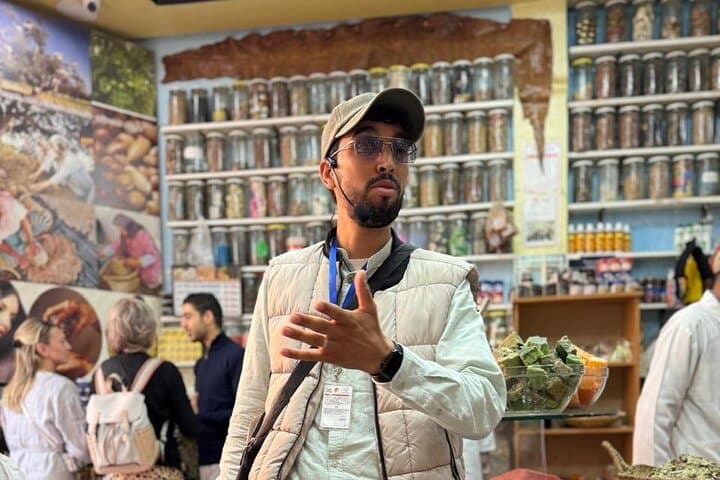
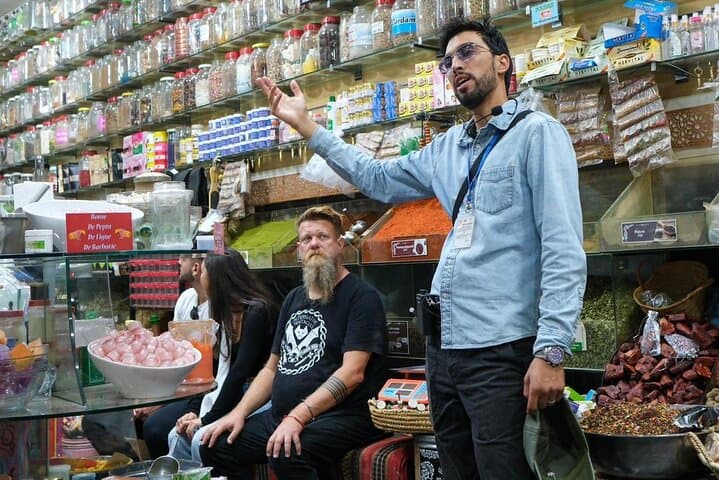
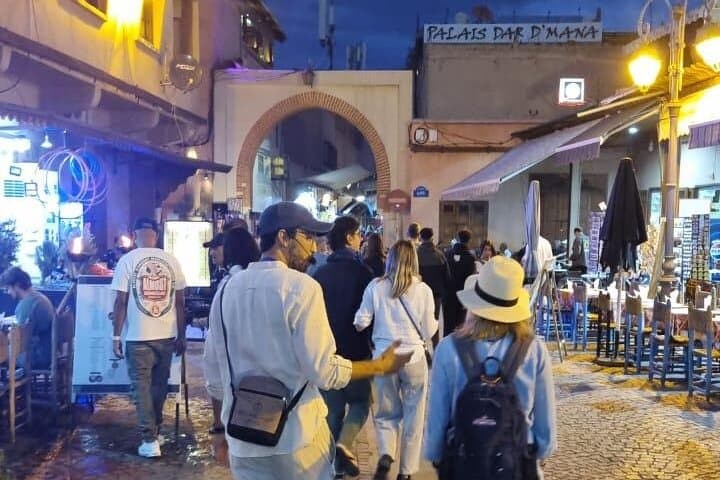
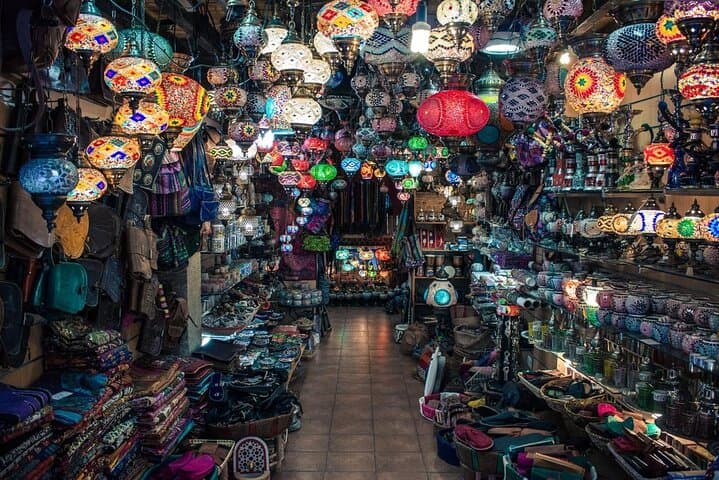
The group gathers at the edge of Jemaa el-Fna, where morning light throws long bars across stalls and the air begins to thicken with resin, cumin, and orange peel. Guides lead guests away from the square’s bustle into the Mellah’s narrower lanes, where an old herbalist’s shop opens like a living cabinet of remedies—sachets of smoky ras el hanout, jars of rose water, and sacks of dried mint lined in neat rows.
The group gathers at the edge of Jemaa el-Fna, where morning light throws long bars across stalls and the air begins to thicken with resin, cumin, and orange peel. Guides lead guests away from the square’s bustle into the Mellah’s narrower lanes, where an old herbalist’s shop opens like a living cabinet of remedies—sachets of smoky ras el hanout, jars of rose water, and sacks of dried mint lined in neat rows.
Marrakech’s spice trade traces back centuries, linking Saharan caravan routes to Mediterranean markets; the city’s famed red earth—rich in iron—colors its walls and gives the medina a particular warmth that complements the market’s palettes. In the herbal pharmacy, cultural practices meet practical medicine: poultices, essential oils, and saffron used in both cuisine and ritual.
This guided visit combines sensory learning with practical translation: how a pinch of preserved lemon alters a tagine, why stevia flower sweetens Royal Tea, and how local growers dry herbs to last the seasons. The hour concludes with a tasting of the exclusive Royal Tea and time to browse stalls for spices, teas, and natural beauty products.
Practical notes: meet in Jemaa el-Fna, allow an hour total, and expect light walking on cobbled lanes. The tour is wheelchair accessible but may include narrow thresholds; bring small bills for purchases, wear comfortable shoes, and keep a bag for fragile jars. Morning and late afternoon visits are cooler and offer clearer light for photos—plan purchases with customs limits in mind.