THE ADVENTURE COLLECTIVE® · Independent discovery and booking for outdoor travel

Walk 350 meters into Magellan Cave near Areni to see limestone corridors, fossil beds, and delicate stalactites on a short guided tour. This 30–40 minute experience pairs accessible caving with clear geological storytelling.
Walk 350 meters into Magellan Cave near Areni to see limestone corridors, fossil beds, and delicate stalactites on a short guided tour. This 30–40 minute experience pairs accessible caving with clear geological storytelling.
You step off the sun-warmed trail and into a cool, dim corridor where limestone walls close in like pages of a thick book. Light from your guide’s lamp falls across delicate stalactites and a floor worn smooth by water over centuries; the air smells faintly of mineral and age. The cave's passages narrow and open in quick succession, each turn offering a new texture — fossil-rich shelves, drips frozen mid-descent, and veins of calcite catching the beam.
Verified experiences and guided adventures in the surrounding area.
Operated by Magellan Cave · Areni, Vayots Dzor Province
You step off the sun-warmed trail and into a cool, dim corridor where limestone walls close in like pages of a thick book. Light from your guide’s lamp falls across delicate stalactites and a floor worn smooth by water over centuries; the air smells faintly of mineral and age. The cave's passages narrow and open in quick succession, each turn offering a new texture — fossil-rich shelves, drips frozen mid-descent, and veins of calcite catching the beam.
Magellan Cave was first reported by a local hunter in 1940 and mapped in the 1980s; the passage you’ll walk covers roughly 350 meters of the cave’s 1,385-meter mapped length. Geologically it’s classic karst: dissolved limestone carved by subterranean water, preserving both fossilized marine life and slow-growing speleothems. The Areni region pairs this underground story with viticultural traditions on the valley above, where small villages maintain centuries-old farming rhythms.
Your guide narrates the cave’s discovery, points out fossil beds, and explains dripstone formation while ensuring safety through tight spots. The route is short and non-technical but uneven and damp; expect stooped sections and low light. Cameras work well with steady hands and slower shutter speeds; bring a compact tripod if you want sharp photos.
Practical: arrive with sturdy, closed-toe shoes, a warm layer, and a small pack for water and a camera. The tour lasts about 30–40 minutes and is suitable for most fitness levels, though visitors with spinal, heart, or pregnancy restrictions are advised not to participate. The experience rewards curiosity — here, geology insists you slow down and listen to stone taking shape.
easy.
30–40 minutes.
Suitable for most people in basic physical condition; requires short walks, some stooping and steady footing.
The guided in-and-out route covers roughly 350 meters and takes about 30–40 minutes including stopping to view features.
No technical skills or equipment are required; the tour is classified as easy but includes uneven, sometimes low passages.
Yes — photography is allowed but bring a steady hand or a small tripod and expect longer exposure times in low light.
The tour is not recommended for visitors with spinal injuries, serious heart conditions, or for pregnant travelers; children should be supervised.
Discovered locally in 1940 and fully mapped in the 1980s, Magellan Cave preserves fossil layers and speleothems that record millennia of regional geological change.
The cave is a delicate environment — avoid touching formations, follow your guide’s path, and carry out any waste to protect speleothems and resident fauna.
Magellan Cave operates guided outdoor trips and adventures with an emphasis on safety, stewardship, and memorable experiences.
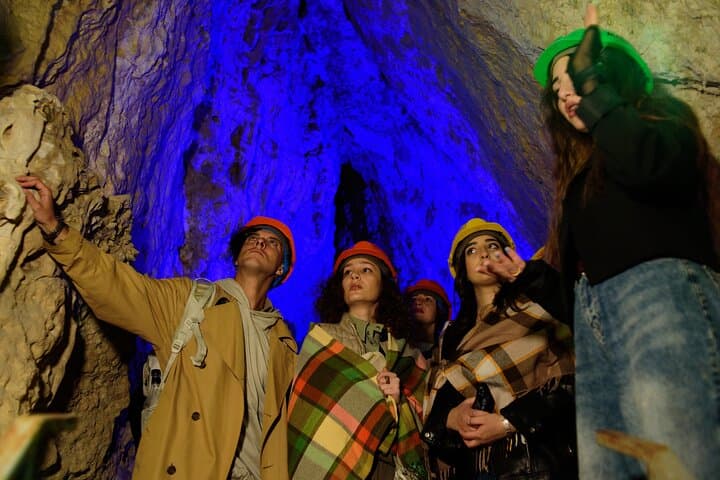
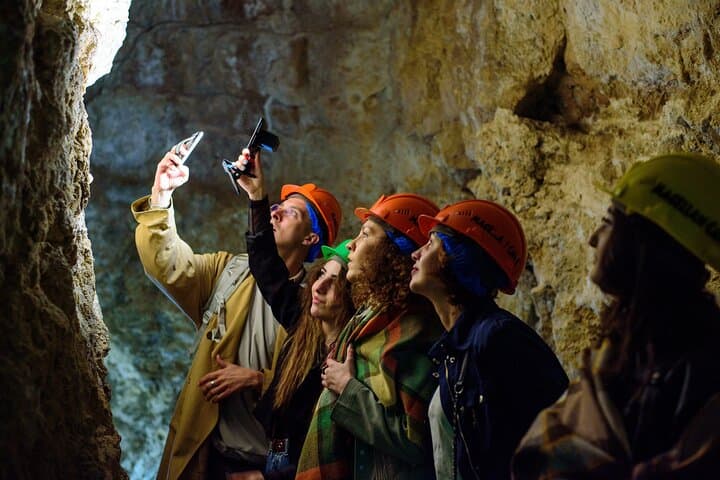
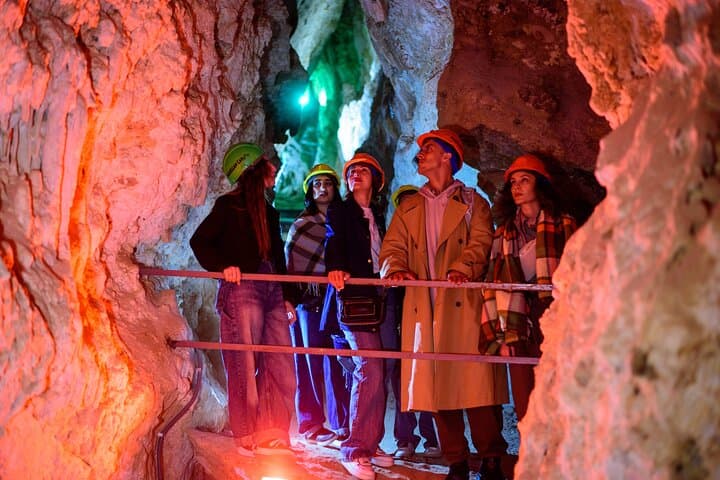
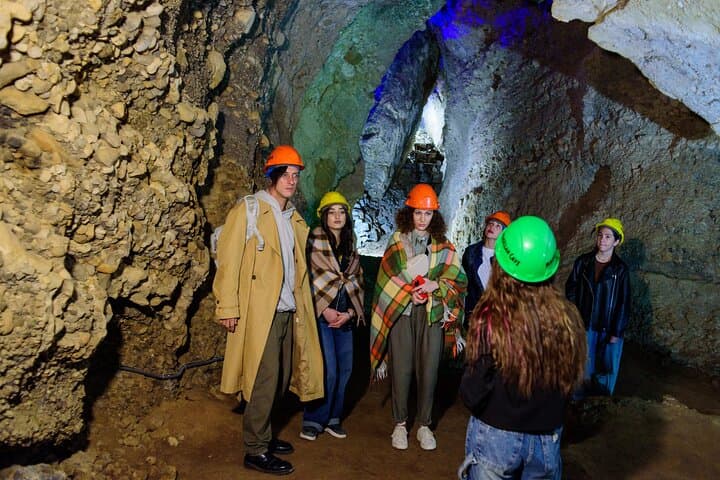
You step off the sun-warmed trail and into a cool, dim corridor where limestone walls close in like pages of a thick book. Light from your guide’s lamp falls across delicate stalactites and a floor worn smooth by water over centuries; the air smells faintly of mineral and age. The cave's passages narrow and open in quick succession, each turn offering a new texture — fossil-rich shelves, drips frozen mid-descent, and veins of calcite catching the beam.
You step off the sun-warmed trail and into a cool, dim corridor where limestone walls close in like pages of a thick book. Light from your guide’s lamp falls across delicate stalactites and a floor worn smooth by water over centuries; the air smells faintly of mineral and age. The cave's passages narrow and open in quick succession, each turn offering a new texture — fossil-rich shelves, drips frozen mid-descent, and veins of calcite catching the beam.
Magellan Cave was first reported by a local hunter in 1940 and mapped in the 1980s; the passage you’ll walk covers roughly 350 meters of the cave’s 1,385-meter mapped length. Geologically it’s classic karst: dissolved limestone carved by subterranean water, preserving both fossilized marine life and slow-growing speleothems. The Areni region pairs this underground story with viticultural traditions on the valley above, where small villages maintain centuries-old farming rhythms.
Your guide narrates the cave’s discovery, points out fossil beds, and explains dripstone formation while ensuring safety through tight spots. The route is short and non-technical but uneven and damp; expect stooped sections and low light. Cameras work well with steady hands and slower shutter speeds; bring a compact tripod if you want sharp photos.
Practical: arrive with sturdy, closed-toe shoes, a warm layer, and a small pack for water and a camera. The tour lasts about 30–40 minutes and is suitable for most fitness levels, though visitors with spinal, heart, or pregnancy restrictions are advised not to participate. The experience rewards curiosity — here, geology insists you slow down and listen to stone taking shape.