THE ADVENTURE COLLECTIVE® · Independent discovery and booking for outdoor travel

A private guided visit to Machu Picchu with entrance ticket included — expect a focused three-hour site tour after roughly four hours of travel from Cusco. Plan for altitude, steep stone steps, and timed-entry rules.
A private guided visit to Machu Picchu with entrance ticket included — expect a focused three-hour site tour after roughly four hours of travel from Cusco. Plan for altitude, steep stone steps, and timed-entry rules.
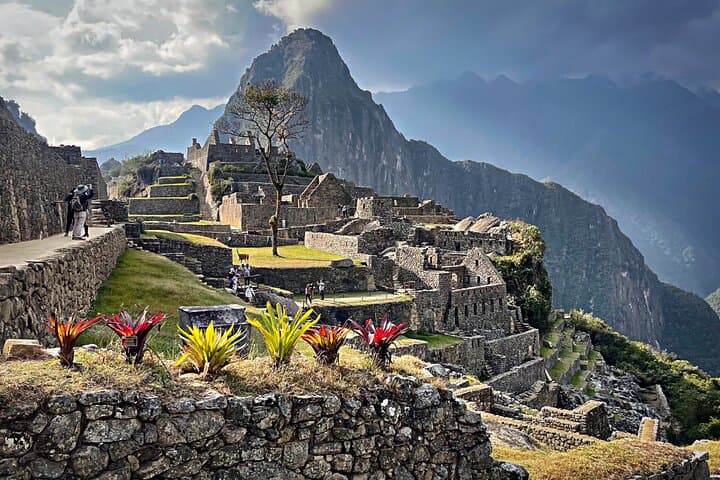
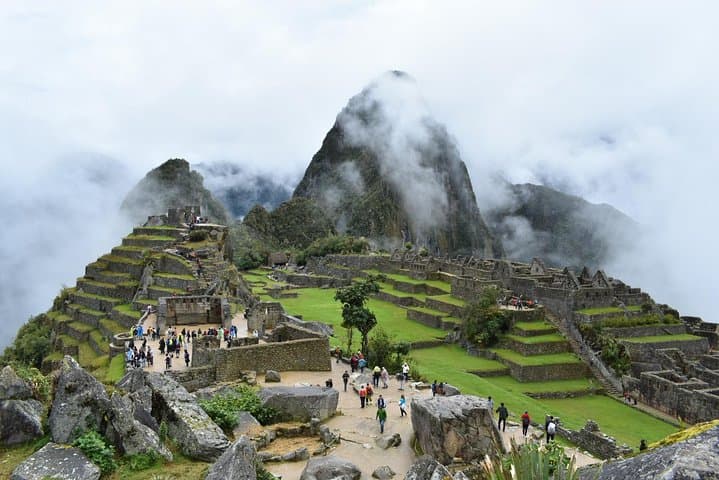
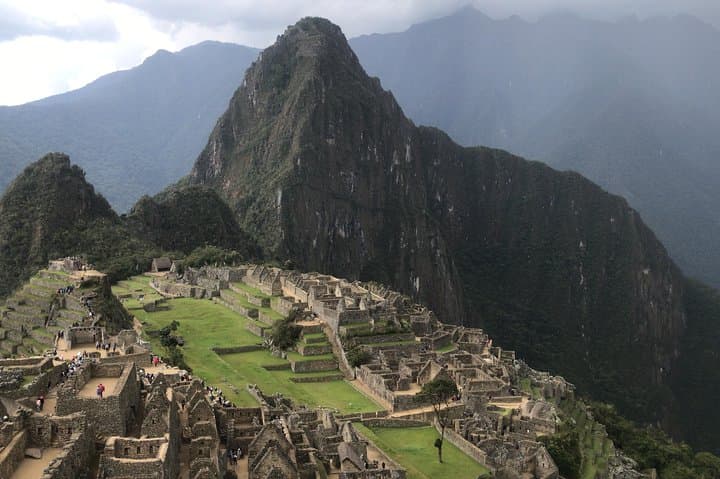
The morning air claws at your face as the bus snakes up from Aguas Calientes and the citadel of Machu Picchu appears, terraces stepped into the Andean ridge like a city holding its breath. Your guide unfolds the layout—Temple of the Sun, the Inca’s house, irrigation channels—and the stonework that resists the slope and the seasons.
Verified experiences and guided adventures in the surrounding area.
Operated by TRIPMAPI · Aguas Calientes, Cusco
The morning air claws at your face as the bus snakes up from Aguas Calientes and the citadel of Machu Picchu appears, terraces stepped into the Andean ridge like a city holding its breath. Your guide unfolds the layout—Temple of the Sun, the Inca’s house, irrigation channels—and the stonework that resists the slope and the seasons.
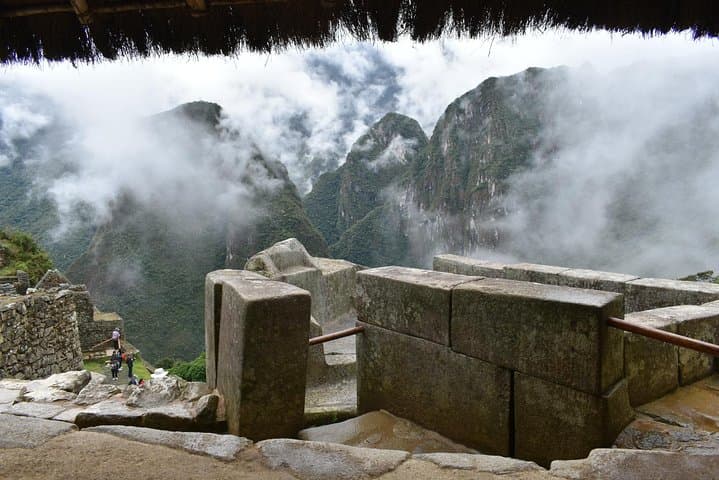
This is a place of 15th-century engineering and ritual. Carved plazas and agricultural terraces cling to weathered Andean bedrock above the Urubamba River; Hiram Bingham’s early 20th-century reintroduction to the outside world reshaped modern tourism here, but the Inca footprint is older and practical—granaries (qolqas), water channels, and finely cut masonry speak to logistics as much as belief.
Local culture remains vivid: Quechua-speaking communities, markets in nearby towns, and a stewardship ethos that limits daily visitor numbers and defines six entrance circuits.
Practical guidance: the booking includes a professional guide and entrance ticket; expect about four hours of travel time from Cusco followed by a roughly 30-minute shuttle from Aguas Calientes to the citadel. The site visit itself runs about three hours—steep steps and uneven paths demand moderate fitness and sure footing. Bring layered clothing for sun, wind and sudden rain; carry water, a photocopy of your passport (required at entry) and comfortable, grippy shoes. Coordinate entry time in advance (permits sell out), allow time to acclimatize in Cusco, and plan your photography short windows to avoid peak crowds.
With thoughtful planning this private tour turns a complex logistics day into a focused encounter with one of the Andes’ most striking archaeological landscapes.
moderate.
3 hours (site visit); allow 4–6 hours travel from Cusco.
Moderate fitness required—comfortable on steep stairs, uneven stone paths, and short uphill sections
Yes — the tour lists entrance tickets and a professional guide among the inclusions; mobile tickets are accepted.
Plan for approximately four hours of combined travel from Cusco (road/train/vehicle options vary), plus a 25–30 minute shuttle from Aguas Calientes to the citadel.
Climbing Huayna Picchu or Machu Picchu Mountain requires a separate permit and limited slots; book those permits well in advance if you want to add a summit ascent.
Machu Picchu has steep stairs and uneven terrain; it is not fully accessible and the tour is not recommended for travelers with serious spinal, heart conditions, or pregnancy.
Machu Picchu was built by the Inca in the 15th century and reintroduced to wider attention in 1911; its layout blends ceremonial, residential and agricultural functions.
Visitor numbers, timed circuits and strict entry rules help protect fragile stonework and native vegetation; follow leave-no-trace rules and avoid single-use plastics.
TRIPMAPI operates guided outdoor trips and adventures with an emphasis on safety, stewardship, and memorable experiences.
The morning air claws at your face as the bus snakes up from Aguas Calientes and the citadel of Machu Picchu appears, terraces stepped into the Andean ridge like a city holding its breath. Your guide unfolds the layout—Temple of the Sun, the Inca’s house, irrigation channels—and the stonework that resists the slope and the seasons.
The morning air claws at your face as the bus snakes up from Aguas Calientes and the citadel of Machu Picchu appears, terraces stepped into the Andean ridge like a city holding its breath. Your guide unfolds the layout—Temple of the Sun, the Inca’s house, irrigation channels—and the stonework that resists the slope and the seasons.
This is a place of 15th-century engineering and ritual. Carved plazas and agricultural terraces cling to weathered Andean bedrock above the Urubamba River; Hiram Bingham’s early 20th-century reintroduction to the outside world reshaped modern tourism here, but the Inca footprint is older and practical—granaries (qolqas), water channels, and finely cut masonry speak to logistics as much as belief.
Local culture remains vivid: Quechua-speaking communities, markets in nearby towns, and a stewardship ethos that limits daily visitor numbers and defines six entrance circuits.
Practical guidance: the booking includes a professional guide and entrance ticket; expect about four hours of travel time from Cusco followed by a roughly 30-minute shuttle from Aguas Calientes to the citadel. The site visit itself runs about three hours—steep steps and uneven paths demand moderate fitness and sure footing. Bring layered clothing for sun, wind and sudden rain; carry water, a photocopy of your passport (required at entry) and comfortable, grippy shoes. Coordinate entry time in advance (permits sell out), allow time to acclimatize in Cusco, and plan your photography short windows to avoid peak crowds.
With thoughtful planning this private tour turns a complex logistics day into a focused encounter with one of the Andes’ most striking archaeological landscapes.