THE ADVENTURE COLLECTIVE® · Independent discovery and booking for outdoor travel

Explore Luxor Museum’s carved sculptures and the compact, forensic displays of the Mummification Museum on a guided 3‑hour cultural tour. This practical guide covers what to expect, when to go, and how to make the most of both collections.
Explore Luxor Museum’s carved sculptures and the compact, forensic displays of the Mummification Museum on a guided 3‑hour cultural tour. This practical guide covers what to expect, when to go, and how to make the most of both collections.
You step off the air‑conditioned vehicle into the busy hum of Luxor’s corniche, the Nile’s slow current daring you to slow down. The Luxor Museum’s low, modern galleries offer a cool counterpoint to the city’s sun, where polished stone sculptures and cartonnage sit under measured light. A NASCO representative guides you from display case to display case, then onward to the smaller, more focused Mummification Museum where tools, linens and reconstructed workshops give the embalming process a concrete, often surprising intimacy.
Verified experiences and guided adventures in the surrounding area.
Operated by NORTH AFRICAN SHIPPING AND TOURISM COMPANY (NASCO TOURS) · Luxor, Luxor Governorate
You step off the air‑conditioned vehicle into the busy hum of Luxor’s corniche, the Nile’s slow current daring you to slow down. The Luxor Museum’s low, modern galleries offer a cool counterpoint to the city’s sun, where polished stone sculptures and cartonnage sit under measured light. A NASCO representative guides you from display case to display case, then onward to the smaller, more focused Mummification Museum where tools, linens and reconstructed workshops give the embalming process a concrete, often surprising intimacy.
Luxor occupies the heart of ancient Thebes; many objects on show were recovered from nearby tombs and temples dating largely to the New Kingdom. Geologically the city sits on the Nile’s floodplain, its artifacts preserved by the dry climate of Upper Egypt. Culturally, museums in Luxor bridge active archaeological work and local life—vendors, rickshaws and temple guards move just outside the doors.
Practically: the combined visit lasts just over three hours, with short transfers between museums and hotel return included. Mornings are quieter; late afternoon light softens stone reliefs but can bring crowds. Photography rules vary—avoid flash and ask before filming. Wear comfortable, closed shoes for uneven museum thresholds, carry a refillable water bottle, and keep a light layer for air‑conditioned rooms. If you’re traveling during Ramadan or high summer, expect altered opening hours and hotter transfers. The tour is suitable for most fitness levels but isn’t recommended for people with serious cardiovascular issues. Guided context makes the museums readable—bring questions and a notepad; the details here reward curiosity.
easy.
3–3.5 hours.
Suitable for most travelers who can walk short distances and stand for exhibit explanations
Yes — the tour package includes admission to both the Luxor Museum and the Mummification Museum as listed in the itinerary.
Pickup and return to your hotel are included; confirm your pickup point and time when booking.
The visit is classified as physically easy, but expect some standing and short steps; if you have significant mobility limitations, notify the operator in advance so they can advise on accessibility.
Rules vary by exhibit; flash photography is generally prohibited and some objects may be off‑limits—always ask your guide or museum staff first.
Luxor sits on the site of ancient Thebes; many exhibits come from New Kingdom tombs and temple complexes nearby and illuminate royal life and burial practice.
Both museums work to stabilize fragile materials—avoid touching artifacts, respect photography rules, and support local preservation by following staff guidance.
NORTH AFRICAN SHIPPING AND TOURISM COMPANY (NASCO TOURS) operates guided outdoor trips and adventures with an emphasis on safety, stewardship, and memorable experiences.
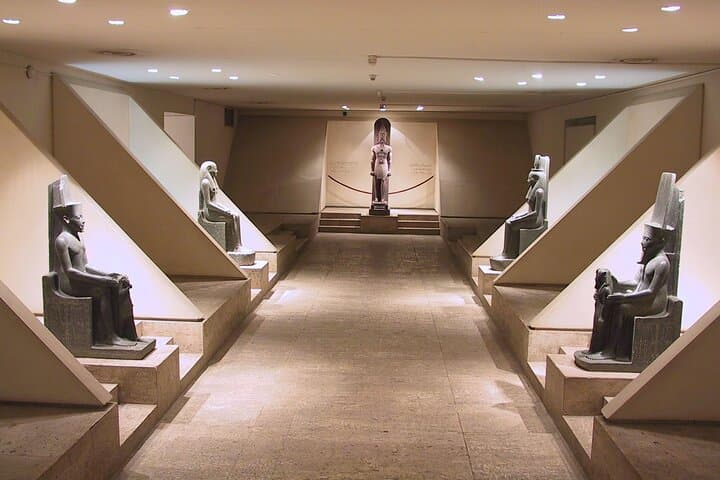
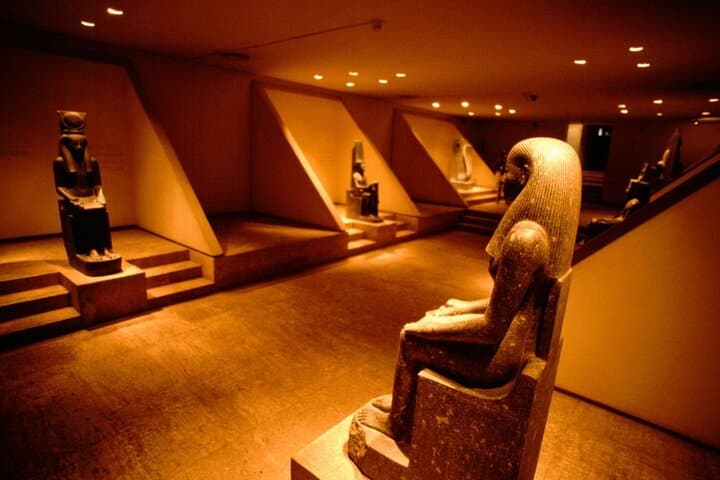
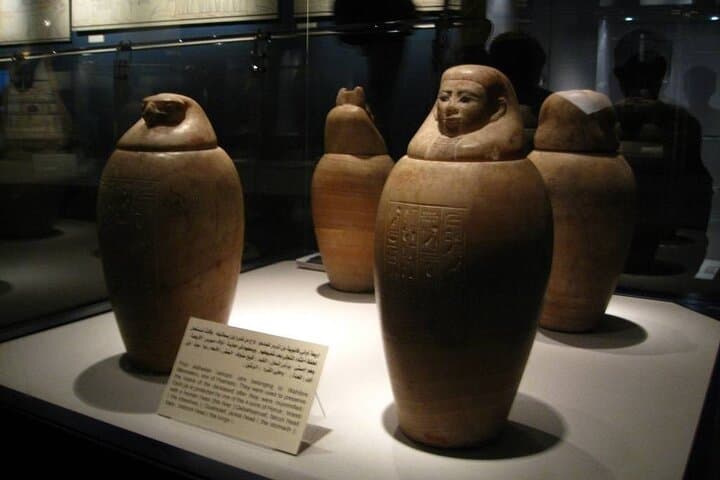

You step off the air‑conditioned vehicle into the busy hum of Luxor’s corniche, the Nile’s slow current daring you to slow down. The Luxor Museum’s low, modern galleries offer a cool counterpoint to the city’s sun, where polished stone sculptures and cartonnage sit under measured light. A NASCO representative guides you from display case to display case, then onward to the smaller, more focused Mummification Museum where tools, linens and reconstructed workshops give the embalming process a concrete, often surprising intimacy.
You step off the air‑conditioned vehicle into the busy hum of Luxor’s corniche, the Nile’s slow current daring you to slow down. The Luxor Museum’s low, modern galleries offer a cool counterpoint to the city’s sun, where polished stone sculptures and cartonnage sit under measured light. A NASCO representative guides you from display case to display case, then onward to the smaller, more focused Mummification Museum where tools, linens and reconstructed workshops give the embalming process a concrete, often surprising intimacy.
Luxor occupies the heart of ancient Thebes; many objects on show were recovered from nearby tombs and temples dating largely to the New Kingdom. Geologically the city sits on the Nile’s floodplain, its artifacts preserved by the dry climate of Upper Egypt. Culturally, museums in Luxor bridge active archaeological work and local life—vendors, rickshaws and temple guards move just outside the doors.
Practically: the combined visit lasts just over three hours, with short transfers between museums and hotel return included. Mornings are quieter; late afternoon light softens stone reliefs but can bring crowds. Photography rules vary—avoid flash and ask before filming. Wear comfortable, closed shoes for uneven museum thresholds, carry a refillable water bottle, and keep a light layer for air‑conditioned rooms. If you’re traveling during Ramadan or high summer, expect altered opening hours and hotter transfers. The tour is suitable for most fitness levels but isn’t recommended for people with serious cardiovascular issues. Guided context makes the museums readable—bring questions and a notepad; the details here reward curiosity.