THE ADVENTURE COLLECTIVE® · Independent discovery and booking for outdoor travel

Step into Don Mario Coto’s micro‑beneficio in the Orosi Valley to watch small‑batch coffee move from cherry to cup. This short, sensory tour explains processing and offers tastings amid volcanic slopes and mountain mist.
Step into Don Mario Coto’s micro‑beneficio in the Orosi Valley to watch small‑batch coffee move from cherry to cup. This short, sensory tour explains processing and offers tastings amid volcanic slopes and mountain mist.
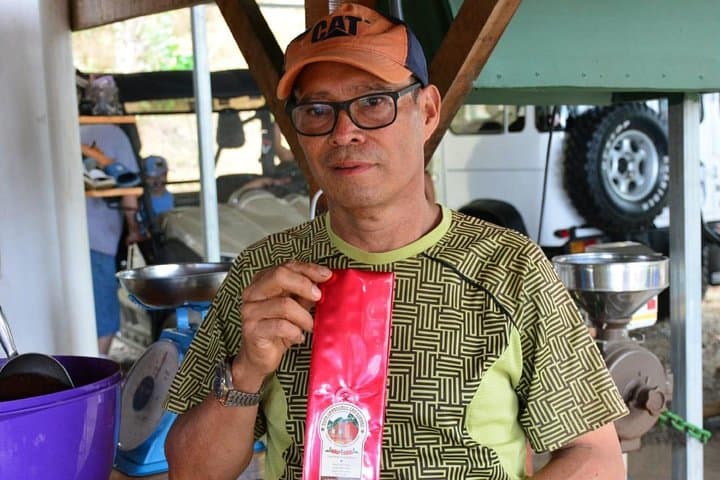
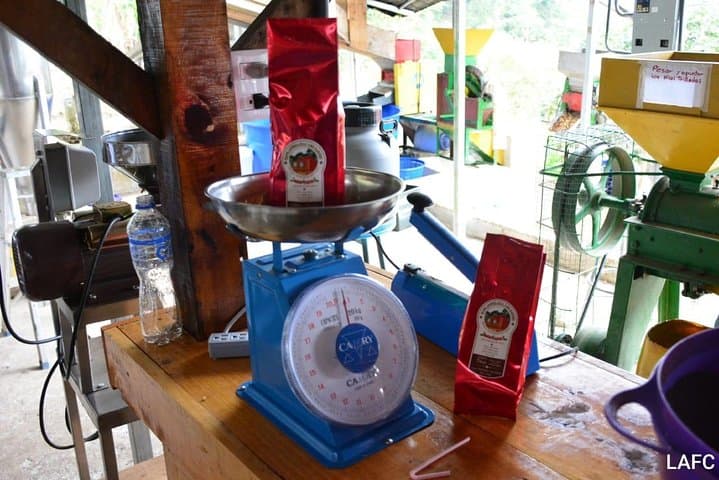
You arrive on a gravel lane framed by shade trees, the air heavy with the clean acidity of freshly roasted beans and the distant rush of a mountain stream. At Café Artesanal Los Sauces, Don Mario Coto’s micro‑beneficio hums softly—hoppers clacking, a small roaster exhaling warm smoke—and guides move guests from cherry‑picking plots to the mill with the same patient cadence as the harvest.
Verified experiences and guided adventures in the surrounding area.
Operated by Coffee Tour Los Sauces One Tree program in Orosi · Orosi, Cartago
You arrive on a gravel lane framed by shade trees, the air heavy with the clean acidity of freshly roasted beans and the distant rush of a mountain stream. At Café Artesanal Los Sauces, Don Mario Coto’s micro‑beneficio hums softly—hoppers clacking, a small roaster exhaling warm smoke—and guides move guests from cherry‑picking plots to the mill with the same patient cadence as the harvest.
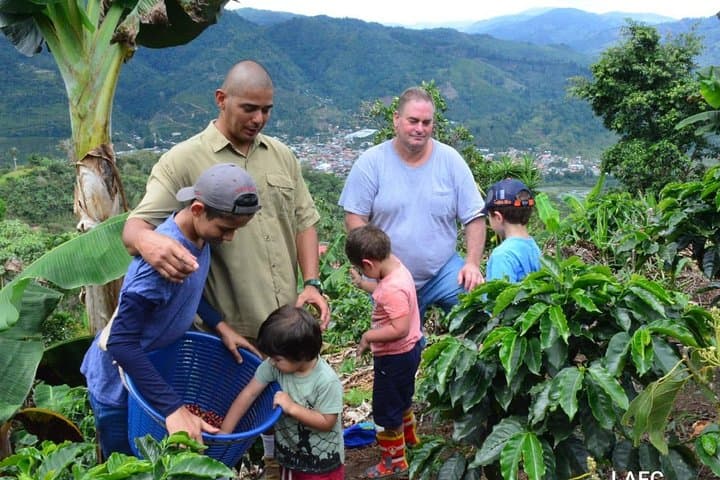
The Orosi Valley is one of Costa Rica’s older coffee regions, where steep volcanic slopes and well‑drained clay soils create pronounced sweetness and bright acidity in high‑altitude Arabica. Coffee here is threaded into local culture: family farms, a colonial church in nearby Orosi town, and generations who shifted from subsistence crops to specialty coffee as global demand rose. Geologically, the valley sits in the rain shadow of Irazú and Turrialba volcanos, which supply mineral‑rich soils and steady mountain mist.
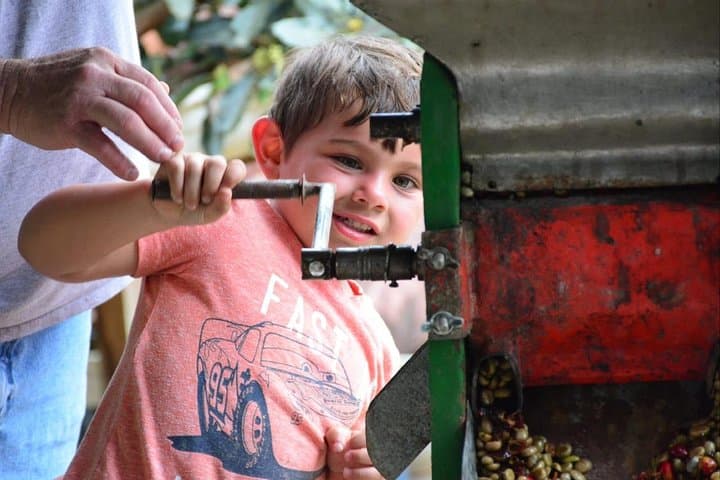
On the tour you’ll see washing channels, pulpers, drying patios, and a compact roaster where small batches are tasted immediately. Guides usually explain processing methods—washed, honey, or natural—and lead a cupping to contrast profiles.
Practical note: the tour runs about 2–3 hours and involves short walks on uneven farm paths; wear closed shoes and bring a lightweight rain layer. Tastings and snacks are included; the operation is family‑run and wheelchair‑accessible in main areas, but some fields are uneven. Morning visits catch cooler air and fresher aromas; late‑day tours highlight sunset light over the valley. For travelers who want hands‑on time, ask in advance about cherry‑picking or a roasting demo.
easy.
2–3 hours.
Light walking on farm roads and short uneven trails; suitable for most fitness levels
Main reception and some covered areas at the micro‑beneficio are wheelchair accessible, but field paths and certain processing areas may be uneven—contact the operator to confirm access needs.
Yes—small‑batch tastings and light snacks are included as part of the tour experience.
Yes—this is a family‑friendly activity; infants can use strollers in accessible areas, but some outdoor walking is required.
The tour is about 150 minutes (roughly 2½ hours) and is offered as a private tour according to the listing details.
Orosi’s coffee farms date to the 19th century; small micro‑beneficios like Los Sauces reflect a shift toward specialty processing and direct‑to‑buyer roasting.
Many family farms in Orosi practice shade management and water‑conserving processing; visitors should avoid single‑use plastics and follow farm guidelines to reduce impact.
Coffee Tour Los Sauces One Tree program in Orosi operates guided outdoor trips and adventures with an emphasis on safety, stewardship, and memorable experiences.
You arrive on a gravel lane framed by shade trees, the air heavy with the clean acidity of freshly roasted beans and the distant rush of a mountain stream. At Café Artesanal Los Sauces, Don Mario Coto’s micro‑beneficio hums softly—hoppers clacking, a small roaster exhaling warm smoke—and guides move guests from cherry‑picking plots to the mill with the same patient cadence as the harvest.
You arrive on a gravel lane framed by shade trees, the air heavy with the clean acidity of freshly roasted beans and the distant rush of a mountain stream. At Café Artesanal Los Sauces, Don Mario Coto’s micro‑beneficio hums softly—hoppers clacking, a small roaster exhaling warm smoke—and guides move guests from cherry‑picking plots to the mill with the same patient cadence as the harvest.
The Orosi Valley is one of Costa Rica’s older coffee regions, where steep volcanic slopes and well‑drained clay soils create pronounced sweetness and bright acidity in high‑altitude Arabica. Coffee here is threaded into local culture: family farms, a colonial church in nearby Orosi town, and generations who shifted from subsistence crops to specialty coffee as global demand rose. Geologically, the valley sits in the rain shadow of Irazú and Turrialba volcanos, which supply mineral‑rich soils and steady mountain mist.
On the tour you’ll see washing channels, pulpers, drying patios, and a compact roaster where small batches are tasted immediately. Guides usually explain processing methods—washed, honey, or natural—and lead a cupping to contrast profiles.
Practical note: the tour runs about 2–3 hours and involves short walks on uneven farm paths; wear closed shoes and bring a lightweight rain layer. Tastings and snacks are included; the operation is family‑run and wheelchair‑accessible in main areas, but some fields are uneven. Morning visits catch cooler air and fresher aromas; late‑day tours highlight sunset light over the valley. For travelers who want hands‑on time, ask in advance about cherry‑picking or a roasting demo.