THE ADVENTURE COLLECTIVE® · Independent discovery and booking for outdoor travel

Explore the London Stadium beyond the pitch: a 2012 Olympic legacy reworked for Premier League drama. This practical guide outlines what to expect on West Ham’s stadium tours, from history to easy logistics.
Explore the London Stadium beyond the pitch: a 2012 Olympic legacy reworked for Premier League drama. This practical guide outlines what to expect on West Ham’s stadium tours, from history to easy logistics.
You step under the stadium’s concrete ribs and the air tightens with the echo of chants — a hollow that still remembers fireworks and starting blocks. The London Stadium at Queen Elizabeth Olympic Park reads like a public stage: one day an Olympic track, another day a Premier League turf, and between those lives a string of concerts that shook the bowl.
Verified experiences and guided adventures in the surrounding area.
Operated by Tourope UK · London, England
You step under the stadium’s concrete ribs and the air tightens with the echo of chants — a hollow that still remembers fireworks and starting blocks. The London Stadium at Queen Elizabeth Olympic Park reads like a public stage: one day an Olympic track, another day a Premier League turf, and between those lives a string of concerts that shook the bowl.
Built for the 2012 Olympic and Paralympic Games, the stadium was redesigned to host football and athletics and reopened as a multi-use venue in the mid-2010s. Its conversion — and West Ham United’s move from the Boleyn Ground in 2016 — is part of Stratford’s modern reinvention from industrial marsh to cultural hub. Geologically the site sits on reclaimed river flats beside the River Lea; you’ll notice long, level approaches and views that open to the surrounding park rather than a steep mountain backdrop.
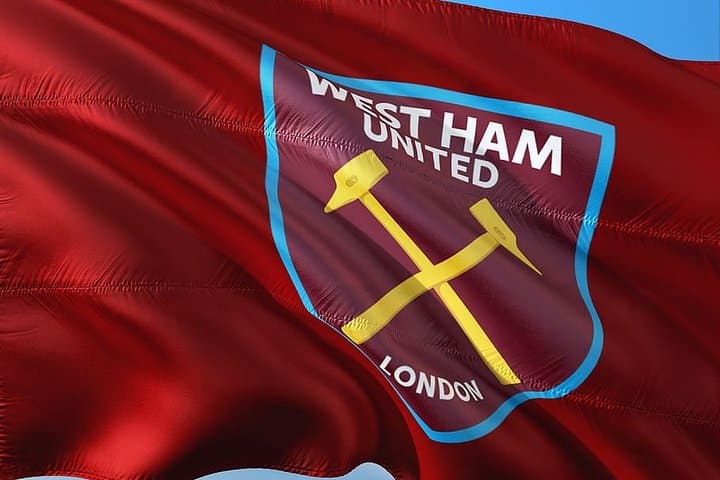
Culturally, the tour walks you through East London football lore: club origins with Thames Ironworks, the crossed hammers emblem, and the match-day rituals that still animate the terraces. Options range from the Classic walk to VIP and Legends routes, each focusing on dressing rooms, dugouts, and media areas.
Practical guidance: tours typically last around four hours for private packages; arrive by Stratford station or regional buses. The venue is wheelchair and stroller accessible and enforces standard security checks — leave large bags at your hotel. Wear comfortable shoes for walking and layers for British weather; photography is allowed in public areas but restricted in some behind-the-scenes spaces. Combine the visit with a stroll through the Park or a stint at the nearby Westfield Stratford shopping district for transit convenience and extra time to soak in the area.
easy.
4 hours.
Suitable for all fitness levels; involves moderate walking on flat surfaces
Private tour options are scheduled for around four hours in total, though Classic shorter options may be available depending on the operator.
Yes — the London Stadium and associated transportation options offer wheelchair-accessible routes and surfaces; notify the operator of special requirements when booking.
Photography is generally permitted in public areas of the stadium, but some behind-the-scenes rooms or media areas may restrict flash or photos — follow guide instructions.
Yes — there is a Match Day Tour option, but availability is subject to the club’s schedule and security arrangements; book well in advance for fixture dates.
Originally built as the main venue for the 2012 Olympics and Paralympics, the stadium was later redeveloped into a multi-use venue and became West Ham United’s home in 2016.
Queen Elizabeth Olympic Park is managed with biodiversity projects and river restoration; visitors are encouraged to stick to paths and minimize litter to protect habitat improvements.
Tourope UK operates guided outdoor trips and adventures with an emphasis on safety, stewardship, and memorable experiences.
You step under the stadium’s concrete ribs and the air tightens with the echo of chants — a hollow that still remembers fireworks and starting blocks. The London Stadium at Queen Elizabeth Olympic Park reads like a public stage: one day an Olympic track, another day a Premier League turf, and between those lives a string of concerts that shook the bowl.
You step under the stadium’s concrete ribs and the air tightens with the echo of chants — a hollow that still remembers fireworks and starting blocks. The London Stadium at Queen Elizabeth Olympic Park reads like a public stage: one day an Olympic track, another day a Premier League turf, and between those lives a string of concerts that shook the bowl.
Built for the 2012 Olympic and Paralympic Games, the stadium was redesigned to host football and athletics and reopened as a multi-use venue in the mid-2010s. Its conversion — and West Ham United’s move from the Boleyn Ground in 2016 — is part of Stratford’s modern reinvention from industrial marsh to cultural hub. Geologically the site sits on reclaimed river flats beside the River Lea; you’ll notice long, level approaches and views that open to the surrounding park rather than a steep mountain backdrop.
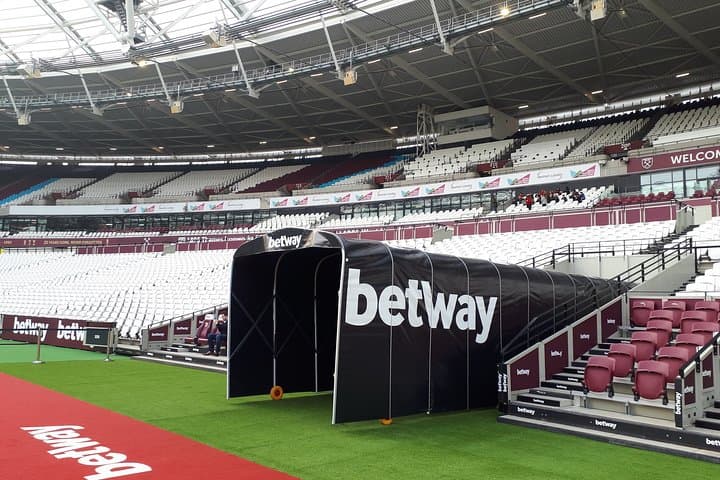
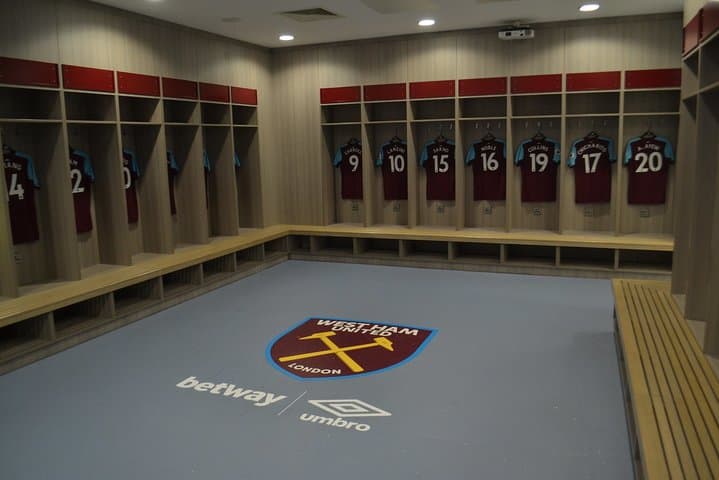
Culturally, the tour walks you through East London football lore: club origins with Thames Ironworks, the crossed hammers emblem, and the match-day rituals that still animate the terraces. Options range from the Classic walk to VIP and Legends routes, each focusing on dressing rooms, dugouts, and media areas.
Practical guidance: tours typically last around four hours for private packages; arrive by Stratford station or regional buses. The venue is wheelchair and stroller accessible and enforces standard security checks — leave large bags at your hotel. Wear comfortable shoes for walking and layers for British weather; photography is allowed in public areas but restricted in some behind-the-scenes spaces. Combine the visit with a stroll through the Park or a stint at the nearby Westfield Stratford shopping district for transit convenience and extra time to soak in the area.