THE ADVENTURE COLLECTIVE® · Independent discovery and booking for outdoor travel

Spend a morning inside Lombok Wildlife Park seeing elephants and orangutans up close, with options for a unique breakfast in an elephant habitat. This accessible, 4–5 hour experience combines guided viewing, animal talks and rainforest walks.
Spend a morning inside Lombok Wildlife Park seeing elephants and orangutans up close, with options for a unique breakfast in an elephant habitat. This accessible, 4–5 hour experience combines guided viewing, animal talks and rainforest walks.
Dawn filters through tall tropical trees as guides lead visitors along soft earth toward a clearing where elephants graze and orangutans swing within sight. The air smells of wet leaves and fresh fruit; the park’s paths move from shaded rainforest corridors to open habitats that feel deliberately close to a natural home for the animals.
Verified experiences and guided adventures in the surrounding area.
Operated by Wandernesia · Kuta, West Nusa Tenggara
Dawn filters through tall tropical trees as guides lead visitors along soft earth toward a clearing where elephants graze and orangutans swing within sight. The air smells of wet leaves and fresh fruit; the park’s paths move from shaded rainforest corridors to open habitats that feel deliberately close to a natural home for the animals.
The site was developed to provide a cared-for environment for rescued and captive species, blending simple enclosures with planted rainforest buffers. Geologically, the southern Lombok plain is young volcanic soil that drains quickly—paths can be firm after morning light but slick in heavy rain. Culturally, visits often include a chance to see local caretakers in traditional sarong workwear and learn about human–animal relationships in Indonesia’s island parks.
Visitors can expect a 4–5 hour program: guided viewing, animal talks, photo stops and optional breakfast in the elephant habitat depending on the ticket. Staff emphasize welfare—interactions are supervised and feeding is controlled. The experience is accessible for most travelers; paths are stroller- and wheelchair-friendly in main areas, but some viewing points require steps.
Practical tips: arrive early for cooler light and better animal activity, carry a light rain layer during the wet months, and bring insect repellent and a zoom lens for photos. Respect posted rules—do not approach enclosures unaccompanied. The visit offers up-close learning about species care and a straightforward way to connect with Lombok’s wildlife while supporting local conservation efforts.
easy.
4–5 hours.
Suitable for most fitness levels; light walking on mostly even paths with occasional steps.
Typical visits run 4–5 hours and include guided viewing, animal talks and optional meals depending on ticket option.
Interactions and feedings are controlled and supervised by staff; self-guided contact is not permitted to protect animal welfare.
Main paths and viewing areas are wheelchair- and stroller-accessible, though some spots may have steps—check with staff on arrival.
All sales are final with no refunds, so confirm schedules and visitor details before booking.
The park was developed as a managed habitat to house and display rescued and captive animals on Lombok, integrating care programs with public education.
The facility runs local welfare and education programs; visitors should follow rules to minimize stress on animals and support conservation messaging.
Wandernesia operates guided outdoor trips and adventures with an emphasis on safety, stewardship, and memorable experiences.
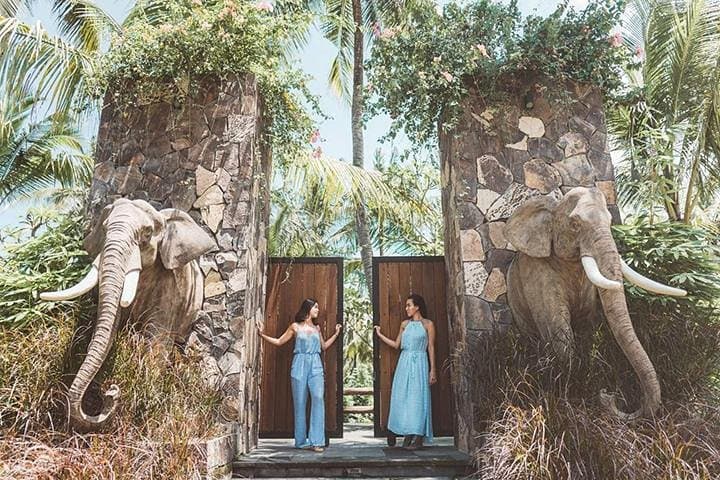
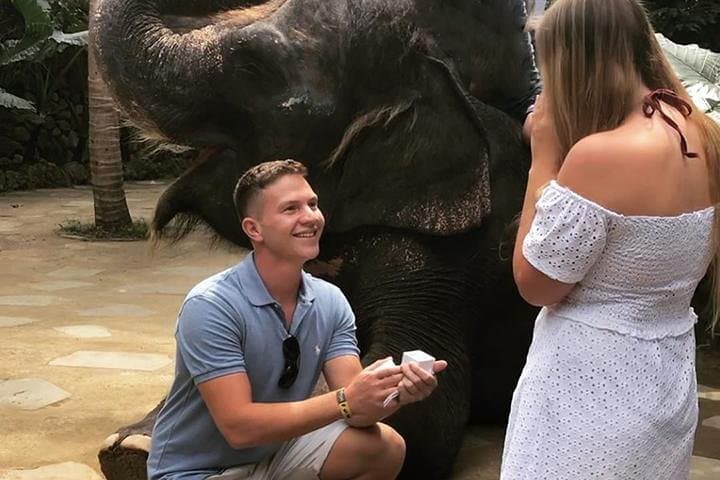
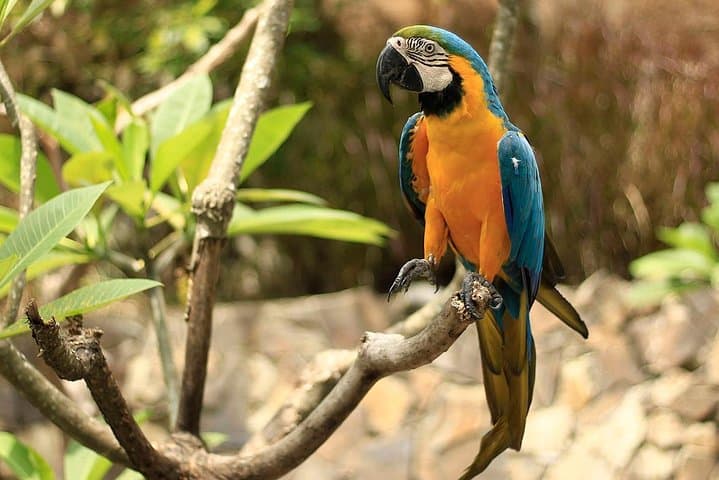
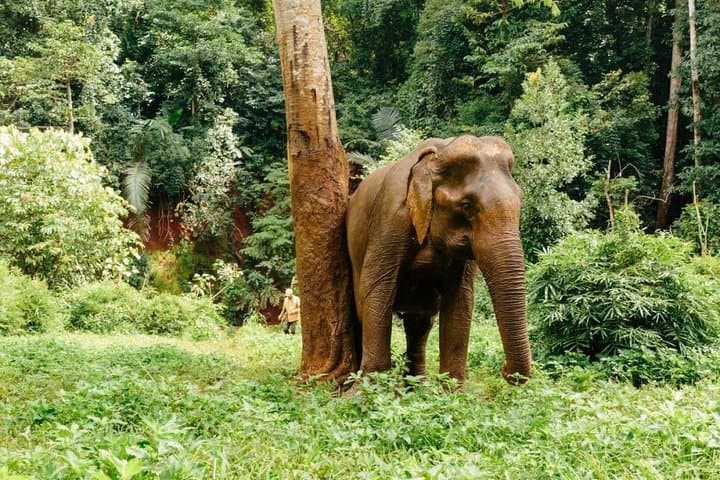
Dawn filters through tall tropical trees as guides lead visitors along soft earth toward a clearing where elephants graze and orangutans swing within sight. The air smells of wet leaves and fresh fruit; the park’s paths move from shaded rainforest corridors to open habitats that feel deliberately close to a natural home for the animals.
Dawn filters through tall tropical trees as guides lead visitors along soft earth toward a clearing where elephants graze and orangutans swing within sight. The air smells of wet leaves and fresh fruit; the park’s paths move from shaded rainforest corridors to open habitats that feel deliberately close to a natural home for the animals.
The site was developed to provide a cared-for environment for rescued and captive species, blending simple enclosures with planted rainforest buffers. Geologically, the southern Lombok plain is young volcanic soil that drains quickly—paths can be firm after morning light but slick in heavy rain. Culturally, visits often include a chance to see local caretakers in traditional sarong workwear and learn about human–animal relationships in Indonesia’s island parks.
Visitors can expect a 4–5 hour program: guided viewing, animal talks, photo stops and optional breakfast in the elephant habitat depending on the ticket. Staff emphasize welfare—interactions are supervised and feeding is controlled. The experience is accessible for most travelers; paths are stroller- and wheelchair-friendly in main areas, but some viewing points require steps.
Practical tips: arrive early for cooler light and better animal activity, carry a light rain layer during the wet months, and bring insect repellent and a zoom lens for photos. Respect posted rules—do not approach enclosures unaccompanied. The visit offers up-close learning about species care and a straightforward way to connect with Lombok’s wildlife while supporting local conservation efforts.