THE ADVENTURE COLLECTIVE® · Independent discovery and booking for outdoor travel

Step into Mathew Street and into a compact, object-rich history of the Beatles. This guide outlines what to expect—from Hamburg-era guitars to studio monitors—plus practical tips for timing, tickets, and accessibility.
Step into Mathew Street and into a compact, object-rich history of the Beatles. This guide outlines what to expect—from Hamburg-era guitars to studio monitors—plus practical tips for timing, tickets, and accessibility.
You push through the chatter on Mathew Street and feel the city shift: brickwork, buskers, and the distant thump of a pub drum kit give way to a hushed stairwell that leads into an iron-framed former Victorian warehouse. Inside, cases of instruments and handwritten notes sit like evidence in a musical investigation—objects that once moved in the hands of Lennon, McCartney, Harrison and Starr.
Verified experiences and guided adventures in the surrounding area.
Operated by Liverpool Beatles Museum · Liverpool, Merseyside
You push through the chatter on Mathew Street and feel the city shift: brickwork, buskers, and the distant thump of a pub drum kit give way to a hushed stairwell that leads into an iron-framed former Victorian warehouse. Inside, cases of instruments and handwritten notes sit like evidence in a musical investigation—objects that once moved in the hands of Lennon, McCartney, Harrison and Starr.
The museum occupies a Grade II listed building in the heart of Liverpool’s musical quarter, tracing the band’s arc from Liverpool and Hamburg club nights to stadium tours and studio innovation. Galleries present early setlists, Hamburg-era instruments, and studio monitors from Abbey Road alongside film props and Shea Stadium seats—each artifact anchoring a chapter of 20th-century pop culture.
Beyond the objects, the space gives context: the gritty club circuits, Merseyside’s working-class roots, and the technological advances that shaped the Beatles’ later studio work. Expect looping archival footage, personal letters, and displays that favor close viewing over sprawling interpretation.
Practical side: plan 60–120 minutes; buy a mobile ticket to skip queues and avoid peak weekend afternoons to see quieter displays. The museum is largely accessible to strollers and service animals; storage for pushchairs and luggage is available. Use public transit to reach Mathew Street—parking is limited—and bring a charged phone for audio clips and image searches, but check on-site photo policies for special exhibits. Quiet galleries reward slow reading; crowded rooms reward timing your visit.
Whether you’re a first-time listener or a devoted collector, the museum delivers a compact, object-driven history that puts artifacts before myth.
easy.
60–120 minutes.
Suitable for all fitness levels; mostly indoor standing and short walks between galleries.
Most visitors spend 60–120 minutes seeing the main displays, though hardcore fans may stay longer to study letters and footage.
Yes—storage for pushchairs and luggage is available and service animals are permitted; check with staff about access to specific rooms.
Photography policies can vary by exhibit; general non-flash photos are often allowed, but check on arrival to confirm restrictions for special items.
Yes—displays are family-friendly and physical demands are low, but younger children may prefer highlights rather than reading detailed labels.
Housed in a Grade II listed Victorian warehouse on Mathew Street, the museum maps the Beatles’ local club beginnings and their formative Hamburg years to global studio innovation.
The museum focuses on artifact preservation—visitors should avoid touching displays, respect barriers, and favor public transit to reduce local traffic and emissions.
Liverpool Beatles Museum operates guided outdoor trips and adventures with an emphasis on safety, stewardship, and memorable experiences.


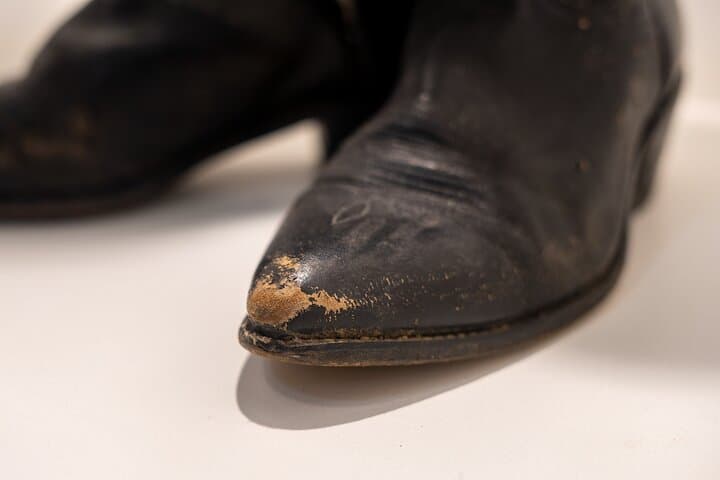
You push through the chatter on Mathew Street and feel the city shift: brickwork, buskers, and the distant thump of a pub drum kit give way to a hushed stairwell that leads into an iron-framed former Victorian warehouse. Inside, cases of instruments and handwritten notes sit like evidence in a musical investigation—objects that once moved in the hands of Lennon, McCartney, Harrison and Starr.
You push through the chatter on Mathew Street and feel the city shift: brickwork, buskers, and the distant thump of a pub drum kit give way to a hushed stairwell that leads into an iron-framed former Victorian warehouse. Inside, cases of instruments and handwritten notes sit like evidence in a musical investigation—objects that once moved in the hands of Lennon, McCartney, Harrison and Starr.
The museum occupies a Grade II listed building in the heart of Liverpool’s musical quarter, tracing the band’s arc from Liverpool and Hamburg club nights to stadium tours and studio innovation. Galleries present early setlists, Hamburg-era instruments, and studio monitors from Abbey Road alongside film props and Shea Stadium seats—each artifact anchoring a chapter of 20th-century pop culture.
Beyond the objects, the space gives context: the gritty club circuits, Merseyside’s working-class roots, and the technological advances that shaped the Beatles’ later studio work. Expect looping archival footage, personal letters, and displays that favor close viewing over sprawling interpretation.
Practical side: plan 60–120 minutes; buy a mobile ticket to skip queues and avoid peak weekend afternoons to see quieter displays. The museum is largely accessible to strollers and service animals; storage for pushchairs and luggage is available. Use public transit to reach Mathew Street—parking is limited—and bring a charged phone for audio clips and image searches, but check on-site photo policies for special exhibits. Quiet galleries reward slow reading; crowded rooms reward timing your visit.
Whether you’re a first-time listener or a devoted collector, the museum delivers a compact, object-driven history that puts artifacts before myth.