THE ADVENTURE COLLECTIVE® · Independent discovery and booking for outdoor travel

Spend a full day tracing Lisbon’s azulejo tradition from the National Tile Museum to a working factory and hands-on workshop. This private tour combines museum exhibits, palace panels, and a winery stop for a focused look at Portugal’s painted tiles.
Spend a full day tracing Lisbon’s azulejo tradition from the National Tile Museum to a working factory and hands-on workshop. This private tour combines museum exhibits, palace panels, and a winery stop for a focused look at Portugal’s painted tiles.
You step off an air-conditioned minivan into the cool shadow of the National Tile Museum, tiles humming in blue and white across vaulted walls. Light from narrow windows catches glazed surfaces; centuries of hands are visible in the cracks and brushstrokes. The day moves like a palette—museum galleries, a riverside village, a palace garden, a working factory, and a workshop where you press clay and paint your own square of history.
Verified experiences and guided adventures in the surrounding area.
Operated by Real Embrace Portugal · Lisbon, Lisbon District
You step off an air-conditioned minivan into the cool shadow of the National Tile Museum, tiles humming in blue and white across vaulted walls. Light from narrow windows catches glazed surfaces; centuries of hands are visible in the cracks and brushstrokes. The day moves like a palette—museum galleries, a riverside village, a palace garden, a working factory, and a workshop where you press clay and paint your own square of history.
Tile-making in Portugal traces to Moorish techniques and Italian renaissance panels; Lisbon’s azulejos became a language of public memory after the 1755 earthquake, recording city plans, religious scenes, and daily life. Quinta da Bacalhoa shows Moorish motifs beside later baroque flourishes, while Sintra’s palace mixes medieval forms and royal ornament. Cross the Tagus and Arrábida’s limestone ridges push toward the sea, offering a geological counterpoint: white-cliff calcarenite that frames the coastal light tile glazes are painted in.
Culturally, tiles are both craft and commerce—family workshops still hand-paint patterns, and modern makers mix traditional glazes with contemporary designs. Expect a personable driver-guide, winery sampling at Bacalhoa if scheduled, and a factory visit that respects artisans at work.
Practicalities: this private full-day tour runs about eight hours, includes hotel pickup in Lisbon, and is rated easy on fitness—most time is standing, short walks in museums and factories. Dress smart casual and wear comfortable shoes; bring a light layer for coastal winds and a camera with extra battery. If you plan to ship purchased tiles, check transport options in advance.
easy.
8 hours.
Suitable for all fitness levels; involves standing, short walks, and museum staircases
Yes—free pickup and drop-off within Lisbon are included; confirm the exact pickup point when you book.
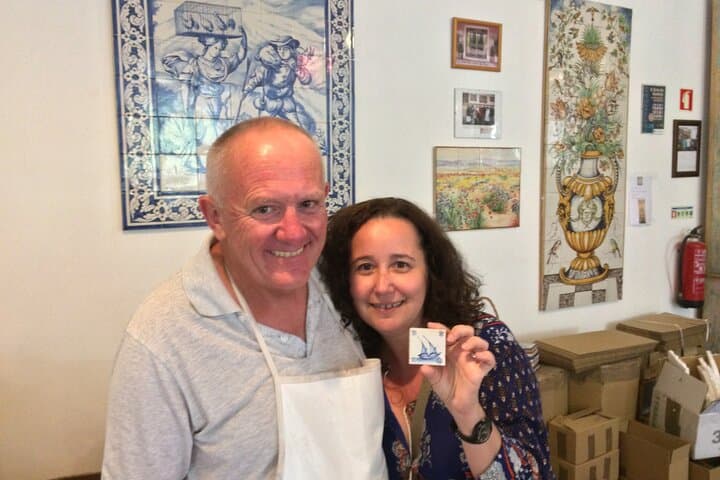
Yes—the itinerary includes a hands-on workshop where you paint or decorate your own tile to take home.
Many admissions are included, but certain options (like Palacio da Bacalhoa or Sintra palace) depend on the selected itinerary—check your booking details.
The tour is rated physically easy, but some historic sites and factories have steps and uneven surfaces; contact the operator to discuss specific accessibility needs.
Azulejos arrived via Moorish and Iberian traditions; by the 18th century they became a municipal storytelling medium after the 1755 earthquake reshaped Lisbon’s fabric.
Workshops and museums emphasize preservation—avoid touching historic panels, and support local makers who use sustainable clay and traditional glazing techniques.
Real Embrace Portugal operates guided outdoor trips and adventures with an emphasis on safety, stewardship, and memorable experiences.
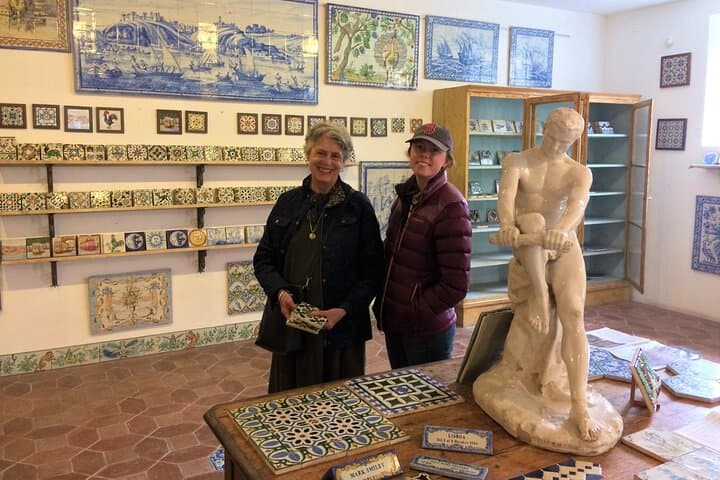
You step off an air-conditioned minivan into the cool shadow of the National Tile Museum, tiles humming in blue and white across vaulted walls. Light from narrow windows catches glazed surfaces; centuries of hands are visible in the cracks and brushstrokes. The day moves like a palette—museum galleries, a riverside village, a palace garden, a working factory, and a workshop where you press clay and paint your own square of history.
You step off an air-conditioned minivan into the cool shadow of the National Tile Museum, tiles humming in blue and white across vaulted walls. Light from narrow windows catches glazed surfaces; centuries of hands are visible in the cracks and brushstrokes. The day moves like a palette—museum galleries, a riverside village, a palace garden, a working factory, and a workshop where you press clay and paint your own square of history.
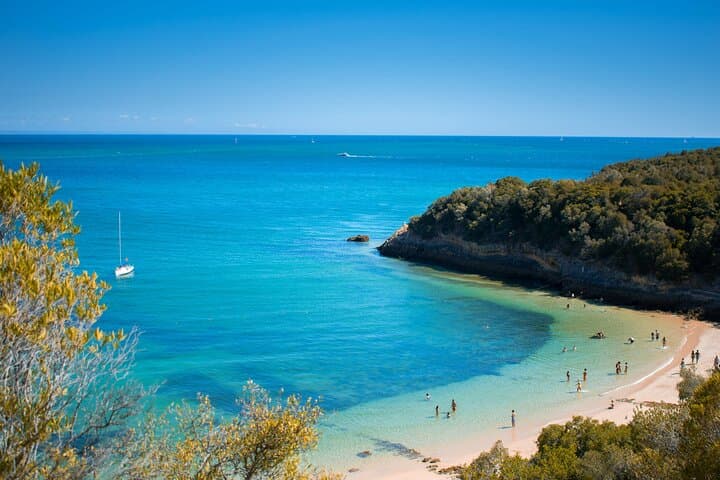
Tile-making in Portugal traces to Moorish techniques and Italian renaissance panels; Lisbon’s azulejos became a language of public memory after the 1755 earthquake, recording city plans, religious scenes, and daily life. Quinta da Bacalhoa shows Moorish motifs beside later baroque flourishes, while Sintra’s palace mixes medieval forms and royal ornament. Cross the Tagus and Arrábida’s limestone ridges push toward the sea, offering a geological counterpoint: white-cliff calcarenite that frames the coastal light tile glazes are painted in.
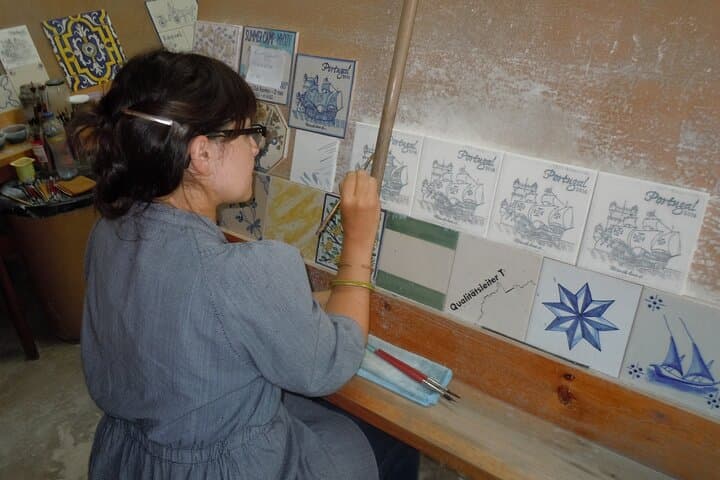
Culturally, tiles are both craft and commerce—family workshops still hand-paint patterns, and modern makers mix traditional glazes with contemporary designs. Expect a personable driver-guide, winery sampling at Bacalhoa if scheduled, and a factory visit that respects artisans at work.
Practicalities: this private full-day tour runs about eight hours, includes hotel pickup in Lisbon, and is rated easy on fitness—most time is standing, short walks in museums and factories. Dress smart casual and wear comfortable shoes; bring a light layer for coastal winds and a camera with extra battery. If you plan to ship purchased tiles, check transport options in advance.