THE ADVENTURE COLLECTIVE® · Independent discovery and booking for outdoor travel

Explore Lalibela’s rock-hewn churches on a private full-day tour that combines geology, faith and community engagement. Expect rough stone steps, active liturgy, and a guide who handles logistics and local insight.
Explore Lalibela’s rock-hewn churches on a private full-day tour that combines geology, faith and community engagement. Expect rough stone steps, active liturgy, and a guide who handles logistics and local insight.
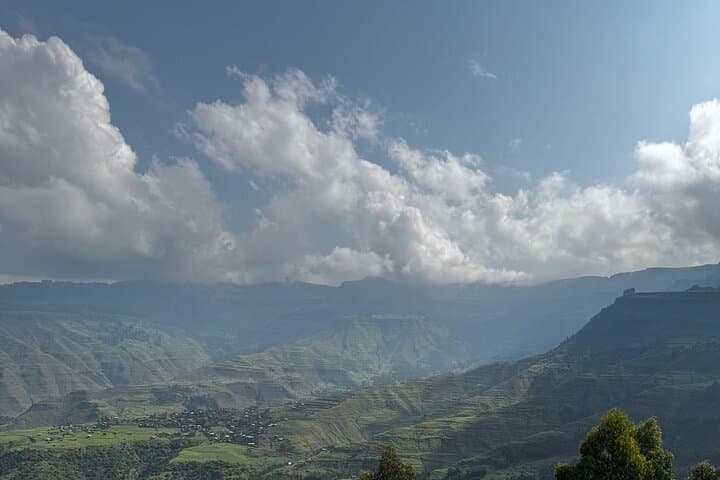
You arrive to a town carved in stone: narrow lanes climb between ochre houses and the smell of coffee drifts from doorways as the morning light picks out the faces of rock-cut façades.
Verified experiences and guided adventures in the surrounding area.
Operated by Lalibela Tours · Lalibela, Amhara
You arrive to a town carved in stone: narrow lanes climb between ochre houses and the smell of coffee drifts from doorways as the morning light picks out the faces of rock-cut façades.
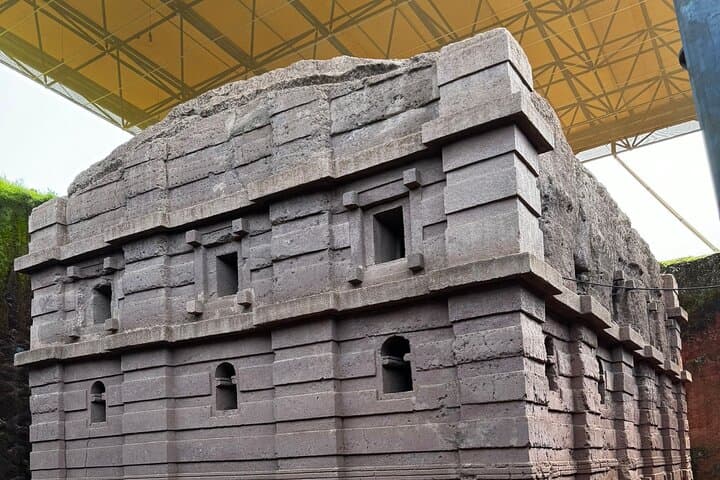
A full-day private tour in Lalibela centers on the eleven medieval churches chiseled directly from volcanic tuff — rooms, courtyards and subterranean passages that still host liturgy. Built in the 12th–13th centuries during the reign of King Lalibela, these structures were designed as a living pilgrimage; their architecture channels both faith and local craftsmanship.
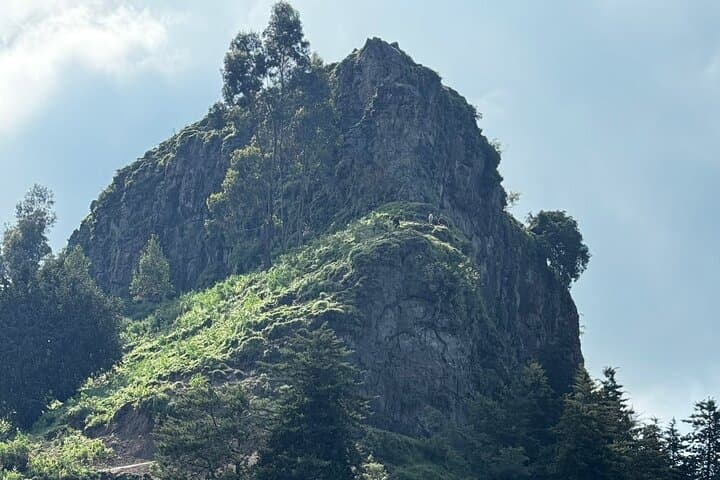
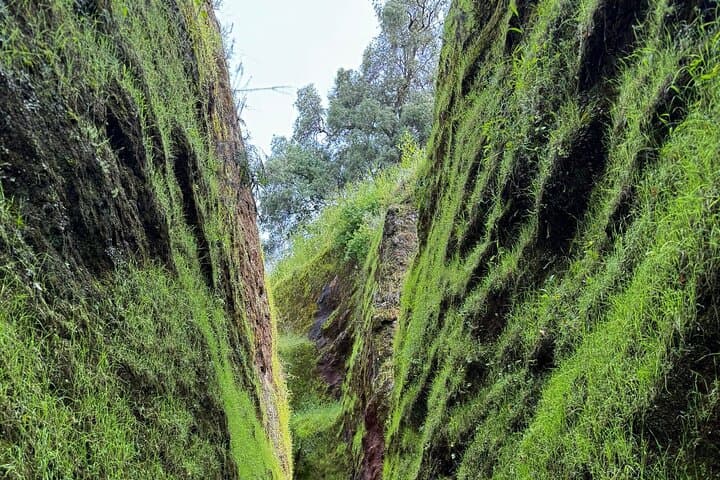
Geology explains the place: soft, workable tuff allowed masons to sculpt monolithic churches, while steep gullies separated complexes and created natural cloisters. Culturally, Lalibela remains a vibrant Orthodox center; you’ll often encounter chanters, processional crosses and locals selling handwoven scarves.
Expect uneven stone paths, steps cut into bedrock and short climbs between sites. The day blends close-up visits to major churches (including Bete Medhane Alem and Bete Giyorgis), short walks to lesser chapels, and a community stop that supports local education programs. Guides typically include the UNESCO heritage fee in the price and handle airport transfers and logistics.
Practical notes: wear grippy shoes, bring sun protection and at least 1–2 liters of water, and plan for 4–8 hours with pauses for photography and prayerful quiet. Respect active worship: photography rules vary by site and clergy; follow your guide’s directions.
This tour is best for travelers comfortable on their feet who want history, geology and a direct cultural exchange delivered with local knowledge and a mindful, community-centered approach.
moderate.
4–8 hours.
Suitable for travelers with moderate fitness who can walk on uneven surfaces and climb steps repeatedly.
Yes—the listed price includes the $100 UNESCO heritage fee required for entry to the Lalibela site.
Many churches have narrow passages and steps; accessibility is limited—contact your operator to discuss specific needs and possible alternatives.
Yes—this private tour includes pickup and drop-off from your chosen point in Lalibela as part of the service.
Rules vary by church and during services; your guide will advise which spaces allow photography and when to refrain out of respect.
Lalibela’s churches were largely carved in the 12th–13th centuries under King Lalibela to create a Christian pilgrimage site mirroring Jerusalem.
Conservation focuses on managing visitor impact on fragile rock and frescoes; community-led tourism programs help fund education and maintenance.
Lalibela Tours operates guided outdoor trips and adventures with an emphasis on safety, stewardship, and memorable experiences.
You arrive to a town carved in stone: narrow lanes climb between ochre houses and the smell of coffee drifts from doorways as the morning light picks out the faces of rock-cut façades.
You arrive to a town carved in stone: narrow lanes climb between ochre houses and the smell of coffee drifts from doorways as the morning light picks out the faces of rock-cut façades.
A full-day private tour in Lalibela centers on the eleven medieval churches chiseled directly from volcanic tuff — rooms, courtyards and subterranean passages that still host liturgy. Built in the 12th–13th centuries during the reign of King Lalibela, these structures were designed as a living pilgrimage; their architecture channels both faith and local craftsmanship.
Geology explains the place: soft, workable tuff allowed masons to sculpt monolithic churches, while steep gullies separated complexes and created natural cloisters. Culturally, Lalibela remains a vibrant Orthodox center; you’ll often encounter chanters, processional crosses and locals selling handwoven scarves.
Expect uneven stone paths, steps cut into bedrock and short climbs between sites. The day blends close-up visits to major churches (including Bete Medhane Alem and Bete Giyorgis), short walks to lesser chapels, and a community stop that supports local education programs. Guides typically include the UNESCO heritage fee in the price and handle airport transfers and logistics.
Practical notes: wear grippy shoes, bring sun protection and at least 1–2 liters of water, and plan for 4–8 hours with pauses for photography and prayerful quiet. Respect active worship: photography rules vary by site and clergy; follow your guide’s directions.
This tour is best for travelers comfortable on their feet who want history, geology and a direct cultural exchange delivered with local knowledge and a mindful, community-centered approach.