THE ADVENTURE COLLECTIVE® · Independent discovery and booking for outdoor travel

Step into a living archive of La Gomera: restored terraces, a gofio mill, and a working orchard reveal how islanders shaped life from steep volcanic slopes. This self-guided park visit pairs clear interpretation with short farm walks—ideal for a 1–2 hour cultural stop.
Step into a living archive of La Gomera: restored terraces, a gofio mill, and a working orchard reveal how islanders shaped life from steep volcanic slopes. This self-guided park visit pairs clear interpretation with short farm walks—ideal for a 1–2 hour cultural stop.
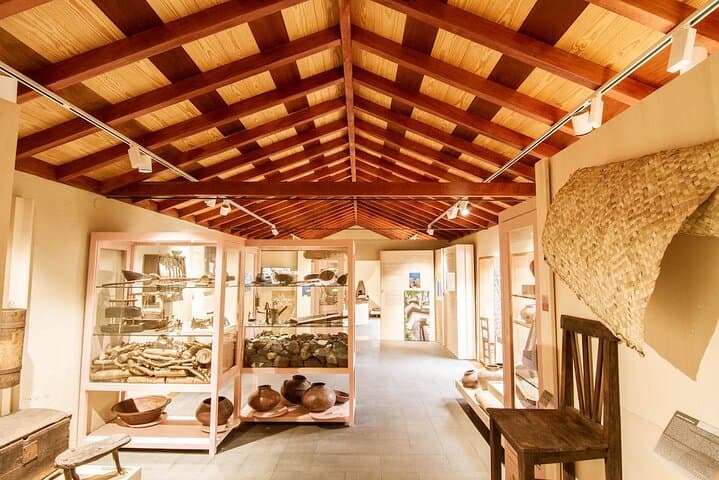
A thin wind from the ravines carries the salty Atlantic and the scent of ripening bananas as visitors step through the gate of La Gomera’s Ethnographic Park. Stone paths cut across terraces; a restored gofio mill waits with its gears hushed but present. The park unfolds like a lived-in archive—orchards, cattle holdings, and a small exhibition of tools and household objects that speak plainly of island life when agriculture dictated every rhythm.
Verified experiences and guided adventures in the surrounding area.
Operated by PEG Los Telares, La Gomera Ethnographic Park · San Sebastián de La Gomera, Canary Islands
A thin wind from the ravines carries the salty Atlantic and the scent of ripening bananas as visitors step through the gate of La Gomera’s Ethnographic Park. Stone paths cut across terraces; a restored gofio mill waits with its gears hushed but present. The park unfolds like a lived-in archive—orchards, cattle holdings, and a small exhibition of tools and household objects that speak plainly of island life when agriculture dictated every rhythm.
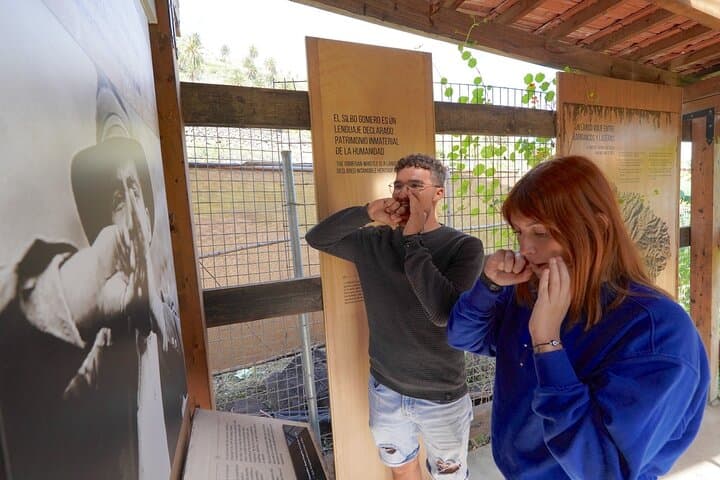
La Gomera’s volcanic soils and steep ravines shaped a community that adapted to scarcity and slope. The park contextualizes that adaptation: terraces and water channels engineered to catch cloud and rain, a mill that ground the island’s staple grain, and exhibits that place whistled Silbo Gomero alongside everyday utensils. Culturally, it’s a reminder that isolation channelled ingenuity—the island’s customs, cuisine, and craft traditions still inform daily life in nearby towns.
For visitors, the experience is practical and tactile. Self-guided audioguides in multiple languages lead you through short farm walks and an interpretive center with historic tools and video content. Expect well-marked paths, brief elevation changes, and hands-on displays rather than strenuous hiking. The farm’s viewpoint offers clear sightlines over terraced slopes and the ocean beyond; bring a jacket for trade winds.
Plan 1–2 hours, arrive mid-morning to avoid the hottest sun and to sync with any small on-site demonstrations. The park is family-friendly and accessible by public transport; finish with local delicacies at the on-site shop or a short drive into San Sebastián for broader island context.
easy.
1–2 hours.
Suitable for all fitness levels; involves short, gentle walks and some uneven surfaces.
The self-guided tour typically takes 60–120 minutes depending on how deeply you engage with exhibits and video content.
Yes—the park provides audioguides and app content in languages including Spanish, English, German, French, and Russian.
Yes—public transportation and local buses serve the area; check schedules in San Sebastián de La Gomera for exact routes.
Service animals are allowed; standard pets may be subject to site rules—confirm on arrival or with the park.
The park highlights La Gomera’s agrarian past when subsistence farming and terrace agriculture defined livelihoods; many exhibits show tools and housewares from the 19th and 20th centuries.
The site interprets traditional low-impact farming techniques and promotes respect for fragile terraced ecosystems; visitors are encouraged to follow marked paths and minimize waste.
PEG Los Telares, La Gomera Ethnographic Park operates guided outdoor trips and adventures with an emphasis on safety, stewardship, and memorable experiences.


A thin wind from the ravines carries the salty Atlantic and the scent of ripening bananas as visitors step through the gate of La Gomera’s Ethnographic Park. Stone paths cut across terraces; a restored gofio mill waits with its gears hushed but present. The park unfolds like a lived-in archive—orchards, cattle holdings, and a small exhibition of tools and household objects that speak plainly of island life when agriculture dictated every rhythm.
A thin wind from the ravines carries the salty Atlantic and the scent of ripening bananas as visitors step through the gate of La Gomera’s Ethnographic Park. Stone paths cut across terraces; a restored gofio mill waits with its gears hushed but present. The park unfolds like a lived-in archive—orchards, cattle holdings, and a small exhibition of tools and household objects that speak plainly of island life when agriculture dictated every rhythm.
La Gomera’s volcanic soils and steep ravines shaped a community that adapted to scarcity and slope. The park contextualizes that adaptation: terraces and water channels engineered to catch cloud and rain, a mill that ground the island’s staple grain, and exhibits that place whistled Silbo Gomero alongside everyday utensils. Culturally, it’s a reminder that isolation channelled ingenuity—the island’s customs, cuisine, and craft traditions still inform daily life in nearby towns.
For visitors, the experience is practical and tactile. Self-guided audioguides in multiple languages lead you through short farm walks and an interpretive center with historic tools and video content. Expect well-marked paths, brief elevation changes, and hands-on displays rather than strenuous hiking. The farm’s viewpoint offers clear sightlines over terraced slopes and the ocean beyond; bring a jacket for trade winds.
Plan 1–2 hours, arrive mid-morning to avoid the hottest sun and to sync with any small on-site demonstrations. The park is family-friendly and accessible by public transport; finish with local delicacies at the on-site shop or a short drive into San Sebastián for broader island context.