THE ADVENTURE COLLECTIVE® · Independent discovery and booking for outdoor travel

Experience Kyoto’s warrior past firsthand: try on samurai armor, practice basic katana forms, and compete in a shuriken throw. This one-hour, accessible museum experience mixes hands-on lessons with historical context.
Experience Kyoto’s warrior past firsthand: try on samurai armor, practice basic katana forms, and compete in a shuriken throw. This one-hour, accessible museum experience mixes hands-on lessons with historical context.
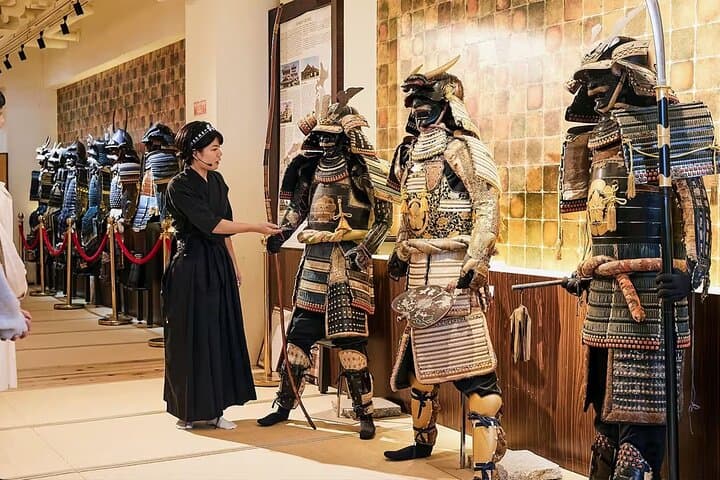
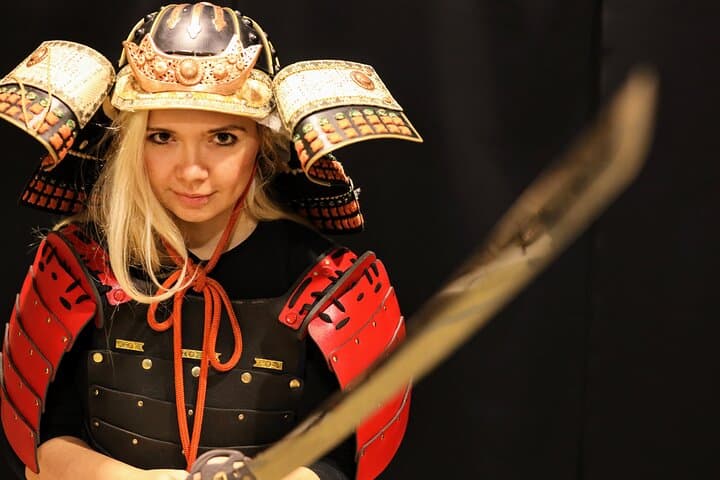
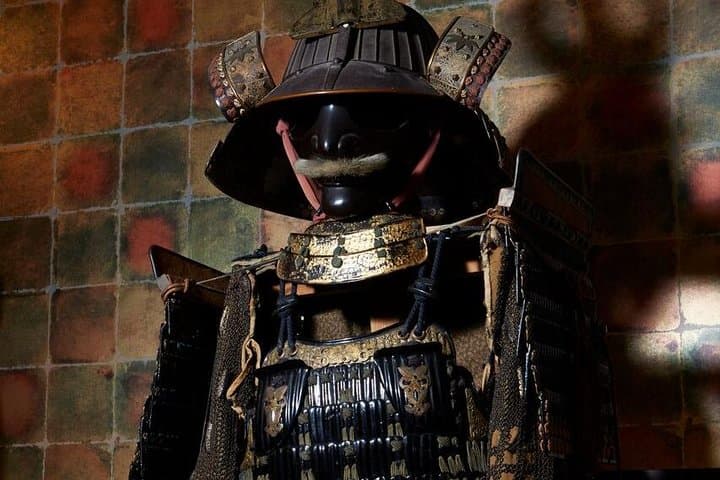
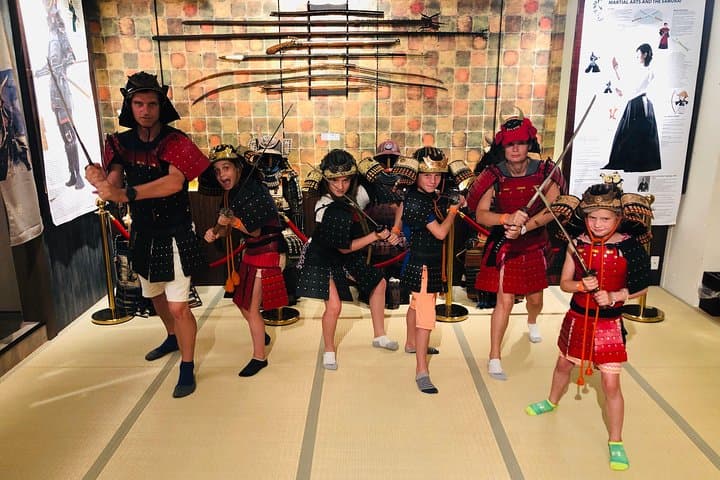
You step through a low doorway and the sounds of modern Kyoto compress into a single hush; tatami mat edges and lacquered wood meet the clang of steel practice and the instructor’s calm voice. In an hour the museum compresses centuries — Heian stirrings, Sengoku strife, Tokugawa order — into hands-on stations where visitors try on plated armor, try a katana stance, and test aim with a shuriken.
Verified experiences and guided adventures in the surrounding area.
Operated by Maikoya · Kyoto, Kyoto
You step through a low doorway and the sounds of modern Kyoto compress into a single hush; tatami mat edges and lacquered wood meet the clang of steel practice and the instructor’s calm voice. In an hour the museum compresses centuries — Heian stirrings, Sengoku strife, Tokugawa order — into hands-on stations where visitors try on plated armor, try a katana stance, and test aim with a shuriken.
Kyoto’s relationship with samurai and ninja spans the city’s rise as an imperial center and its later role as a political stage for rival clans. The museum frames those histories with artifacts and demonstrations, pairing cultural context with practical translation: armor weight, sword handling safety, and the stealth tools credited to the covert operatives called ninja.
The building itself sits amid urban Kyoto fabric: narrow streets that once funneled couriers and retainers, now funnel day visitors. Expect polished display cases, guided talk, and ritualized instruction rather than a hands-off exhibit; interaction is the draw. Accessibility is prioritized — wheelchair access is available — but check notices: occasional construction noise and a planned elevator outage appear in the booking notes.
Practical guidance: book the mobile ticket to skip lines and arrive 10–15 minutes early for check-in and sizing. Clothing should be comfortable for movement; closed-toe shoes are recommended for the armor trial. The session is family-friendly but children require adult accompaniment. If you’re after quiet photography or deeper artifact study, aim for morning slots on weekdays to avoid peak crowds.
easy.
1 hour.
Suitable for most fitness levels; involves short periods of standing, light movement, and handling prop weapons.
The experience runs about 60 minutes and includes guided demonstrations, armor fitting, and hands-on activities like a shuriken throw.
Yes—children can participate but must be accompanied by an adult; staff will assist with safe sizing and instruction.
Yes; the facility reports wheelchair-accessible surfaces and transportation options, though check current notices about elevator service during specific dates.
Yes—photography for personal use is generally allowed during demonstrations, but follow staff directions and avoid flash near artifacts.
Samurai and ninja figure prominently in Kyoto’s layered past from the Heian court through the Sengoku conflicts and into the Tokugawa era; the museum places these roles into accessible demonstrations.
The museum limits handling of fragile artifacts and uses replica equipment for most demonstrations to protect original pieces; visitors are encouraged to follow staff instructions to reduce wear.
Maikoya operates guided outdoor trips and adventures with an emphasis on safety, stewardship, and memorable experiences.
You step through a low doorway and the sounds of modern Kyoto compress into a single hush; tatami mat edges and lacquered wood meet the clang of steel practice and the instructor’s calm voice. In an hour the museum compresses centuries — Heian stirrings, Sengoku strife, Tokugawa order — into hands-on stations where visitors try on plated armor, try a katana stance, and test aim with a shuriken.
You step through a low doorway and the sounds of modern Kyoto compress into a single hush; tatami mat edges and lacquered wood meet the clang of steel practice and the instructor’s calm voice. In an hour the museum compresses centuries — Heian stirrings, Sengoku strife, Tokugawa order — into hands-on stations where visitors try on plated armor, try a katana stance, and test aim with a shuriken.
Kyoto’s relationship with samurai and ninja spans the city’s rise as an imperial center and its later role as a political stage for rival clans. The museum frames those histories with artifacts and demonstrations, pairing cultural context with practical translation: armor weight, sword handling safety, and the stealth tools credited to the covert operatives called ninja.
The building itself sits amid urban Kyoto fabric: narrow streets that once funneled couriers and retainers, now funnel day visitors. Expect polished display cases, guided talk, and ritualized instruction rather than a hands-off exhibit; interaction is the draw. Accessibility is prioritized — wheelchair access is available — but check notices: occasional construction noise and a planned elevator outage appear in the booking notes.
Practical guidance: book the mobile ticket to skip lines and arrive 10–15 minutes early for check-in and sizing. Clothing should be comfortable for movement; closed-toe shoes are recommended for the armor trial. The session is family-friendly but children require adult accompaniment. If you’re after quiet photography or deeper artifact study, aim for morning slots on weekdays to avoid peak crowds.