THE ADVENTURE COLLECTIVE® · Independent discovery and booking for outdoor travel

Descend into Kīlauea’s crater on a guided 3-hour hike that threads steam vents, rainforest gullies, and panoramic caldera views. Learn volcanology, cultural context, and how this ever-changing landscape is still being built by fire.
Descend into Kīlauea’s crater on a guided 3-hour hike that threads steam vents, rainforest gullies, and panoramic caldera views. Learn volcanology, cultural context, and how this ever-changing landscape is still being built by fire.
Late afternoon sun slants through steam, making the vents glow like breath from the earth itself as you meet your guide at the Kīlauea Visitor Center.
Verified experiences and guided adventures in the surrounding area.
Operated by Volcanoes Hiking Guides · Volcano, Hawaii
Late afternoon sun slants through steam, making the vents glow like breath from the earth itself as you meet your guide at the Kīlauea Visitor Center.
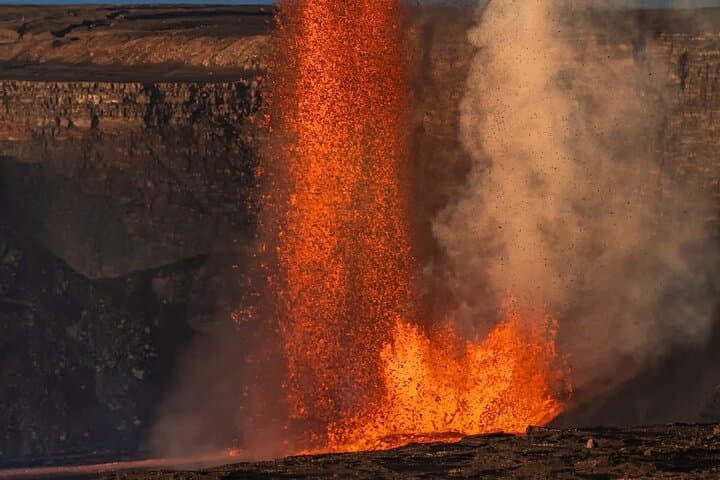
You drop from the visitor rim into the crater’s cooler, wetter microclimate — tree ferns arch above the trail, and the sharp odor of sulfur hangs low. In the first mile the ground changes: dark, glassy fragments give way to packed ash and rainforest loam. The guide points out fumaroles spitting steam and the hardened fingerprints of recent flows while you move toward the floor of Halemaʻumaʻu.
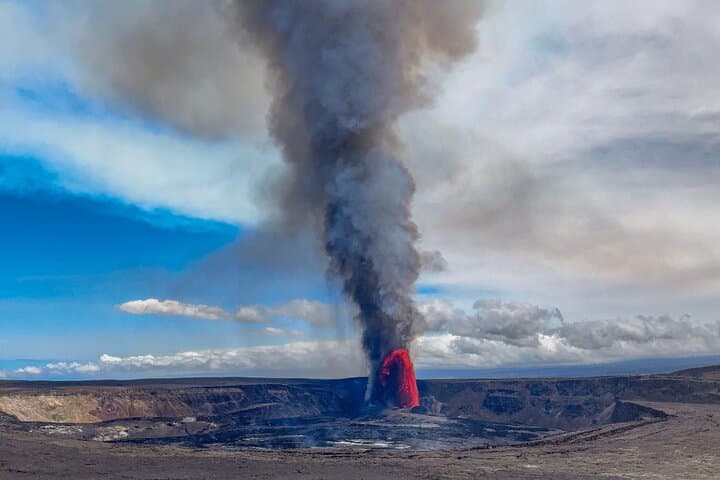
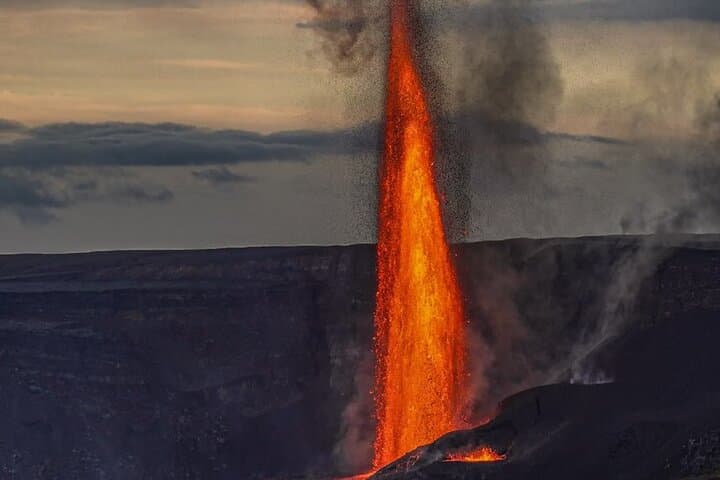
Kīlauea has been erupting intermittently for decades; its activity reshapes coastlines, forests, and Hawaiian cultural practices. The caldera’s geology is young — successive flows of ʻaʻā and pāhoehoe over basalt bedrock — and the crater walls preserve decades of collapses and ash layers. Native Hawaiian stories and place names are woven into the landscape here; guides often share those cultural connections alongside volcanology.
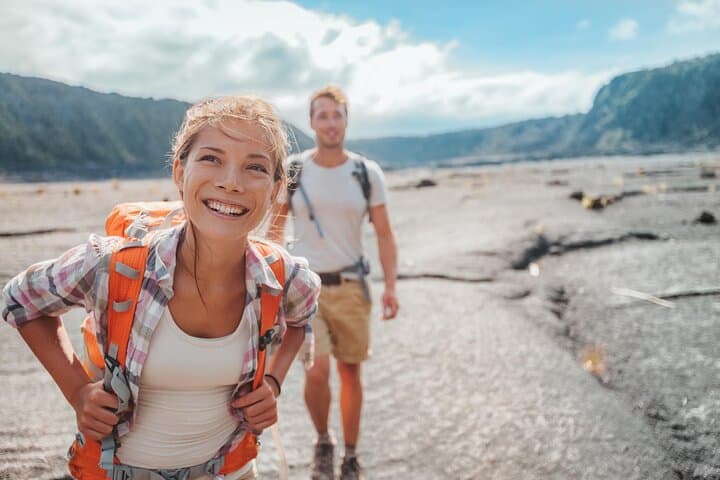
Expect about four miles of mixed terrain with roughly 400–600 feet of net elevation change on a 3‑hour loop. Trails can be muddy and uneven; steam vents are hot and acidic — observe posted buffers. Lava viewing is weather- and activity-dependent and not guaranteed. Practical steps: carry 1–2 liters of water, closed-toe hiking shoes, a light rain layer, and your National Park pass. Afternoon light delivers the best contrast for photography but also quicker cloud build-up; plan for shifting weather and follow your guide’s safety briefings.
moderate.
3 hours.
Participants should have a moderate level of fitness — able to hike 4 miles on uneven terrain with short steep sections.
No — lava viewing depends on volcanic activity and visibility. Guides will show safe observation points when conditions allow, but eruptions are unpredictable.
Yes — the hike begins inside Hawaii Volcanoes National Park. Purchase a 7-day vehicle pass or appropriate entry pass online or at the visitor center.
The tour recommends moderate fitness; children and older adults who can handle uneven terrain and a steady 4‑mile hike can participate, but check health considerations with the operator.
Those with respiratory issues should avoid close fumaroles and follow guide instructions; if you smell strong sulfur or experience irritation, step to upwind areas and inform your guide immediately.
Kīlauea’s eruptions have been recorded in oral histories and western science for centuries; Halemaʻumaʻu is a culturally significant site in Hawaiian tradition and has experienced repeated eruptive cycles since the 19th century.
Park management balances visitor access with habitat protection; stay on trails, avoid collecting geological or biological samples, and heed signage to protect fragile native plants and cultural sites.
Volcanoes Hiking Guides operates guided outdoor trips and adventures with an emphasis on safety, stewardship, and memorable experiences.
Late afternoon sun slants through steam, making the vents glow like breath from the earth itself as you meet your guide at the Kīlauea Visitor Center.
Late afternoon sun slants through steam, making the vents glow like breath from the earth itself as you meet your guide at the Kīlauea Visitor Center.
You drop from the visitor rim into the crater’s cooler, wetter microclimate — tree ferns arch above the trail, and the sharp odor of sulfur hangs low. In the first mile the ground changes: dark, glassy fragments give way to packed ash and rainforest loam. The guide points out fumaroles spitting steam and the hardened fingerprints of recent flows while you move toward the floor of Halemaʻumaʻu.
Kīlauea has been erupting intermittently for decades; its activity reshapes coastlines, forests, and Hawaiian cultural practices. The caldera’s geology is young — successive flows of ʻaʻā and pāhoehoe over basalt bedrock — and the crater walls preserve decades of collapses and ash layers. Native Hawaiian stories and place names are woven into the landscape here; guides often share those cultural connections alongside volcanology.
Expect about four miles of mixed terrain with roughly 400–600 feet of net elevation change on a 3‑hour loop. Trails can be muddy and uneven; steam vents are hot and acidic — observe posted buffers. Lava viewing is weather- and activity-dependent and not guaranteed. Practical steps: carry 1–2 liters of water, closed-toe hiking shoes, a light rain layer, and your National Park pass. Afternoon light delivers the best contrast for photography but also quicker cloud build-up; plan for shifting weather and follow your guide’s safety briefings.