THE ADVENTURE COLLECTIVE® · Independent discovery and booking for outdoor travel

A three-hour gallery walk that maps Kigali’s contemporary art scene through studio visits, craft hubs, and close conversations with Rwandan artists. Ideal for travelers who want context alongside curiosity.
A three-hour gallery walk that maps Kigali’s contemporary art scene through studio visits, craft hubs, and close conversations with Rwandan artists. Ideal for travelers who want context alongside curiosity.
You step from a sun-warmed street into a cool gallery and the city changes pitch—the chatter softens, canvases take over, and the slope of Kigali’s hills frames each frame like a natural pedestal.
Verified experiences and guided adventures in the surrounding area.
Operated by Tour with Aline · Kigali, Kigali
You step from a sun-warmed street into a cool gallery and the city changes pitch—the chatter softens, canvases take over, and the slope of Kigali’s hills frames each frame like a natural pedestal.
This three-hour walk with Aline threads several of the city’s compact galleries and Caplaki Craft Village, where Rwandan makers display everything from imigongo panels—geometric designs made with cow dung and natural pigments—to woven baskets and banana-fiber pieces. Kigali’s creative surge has roots in precolonial craft traditions and accelerated after the 1990s as artists used visual storytelling to reckon with recent history and reimagine national identity.
Geologically, Kigali rides gentle volcanic highlands; the city’s red soils and green ridges give way to tight urban blocks where contemporary sculptures sit beside colonial-era architecture. Culturally, the tour introduces both established painters and emerging collectives, and conversations often touch on social themes and community-driven projects.
Practical guidance: the route is mostly flat with short stair sections; wear comfortable walking shoes and bring a small water bottle. Photography is often welcome, but always ask before shooting artists or workshops. Cash is useful for market purchases—many stalls prefer small RWF notes. The tour is accessible and suitable for most fitness levels, runs in approximately three hours, and is easy to combine with a coffee or lunch in a nearby café afterward.
Expect up-close encounters with studio practice, chances to talk with creators, and a compact, transportable sense of Rwanda’s evolving visual culture.
easy.
3 hours.
Light walking ability; suitable for most people able to stand and walk short distances.
Yes—transport and most gallery spaces on the itinerary are wheelchair accessible; confirm specific accessibility needs when booking.
Admissions are generally not required for the small galleries on this route; purchases are separate and discussed on-site.
Shared tours cap at around 10 people to keep visits intimate and manageable.
Guides commonly speak English and Kinyarwanda; some guides may also speak French—ask when booking.
Kigali’s contemporary scene grew from traditional crafts and expanded after the 1990s as artists used visual media to explore identity and social renewal.
Buying directly from local artists supports livelihoods and keeps craft techniques alive; bring reusable bags and avoid single-use plastics when shopping.
Tour with Aline operates guided outdoor trips and adventures with an emphasis on safety, stewardship, and memorable experiences.
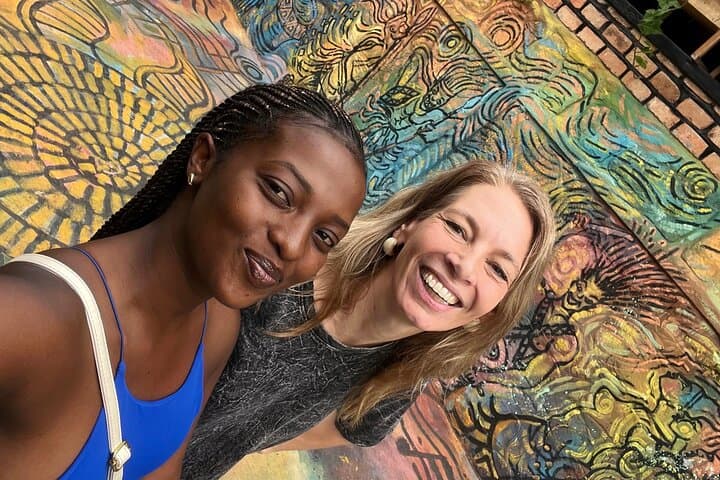
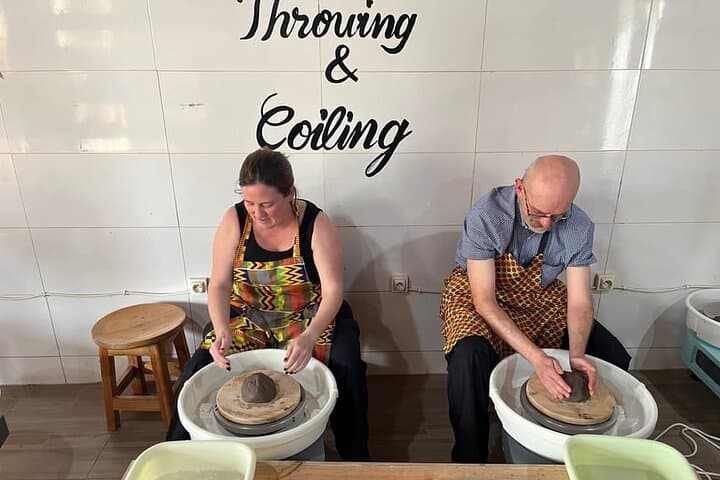
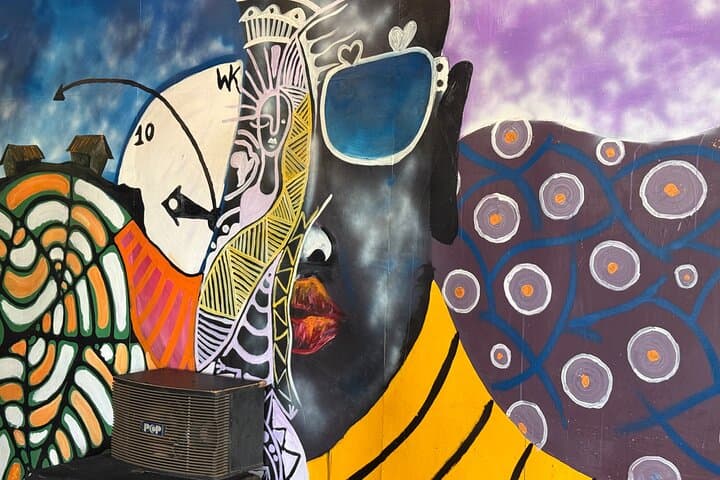
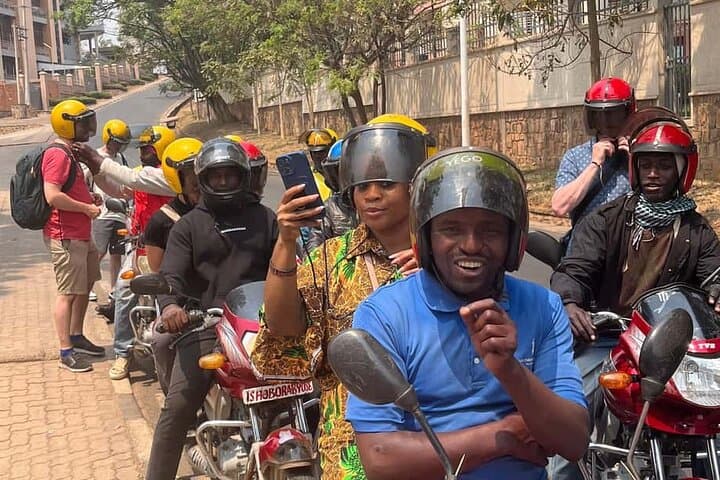
You step from a sun-warmed street into a cool gallery and the city changes pitch—the chatter softens, canvases take over, and the slope of Kigali’s hills frames each frame like a natural pedestal.
You step from a sun-warmed street into a cool gallery and the city changes pitch—the chatter softens, canvases take over, and the slope of Kigali’s hills frames each frame like a natural pedestal.
This three-hour walk with Aline threads several of the city’s compact galleries and Caplaki Craft Village, where Rwandan makers display everything from imigongo panels—geometric designs made with cow dung and natural pigments—to woven baskets and banana-fiber pieces. Kigali’s creative surge has roots in precolonial craft traditions and accelerated after the 1990s as artists used visual storytelling to reckon with recent history and reimagine national identity.
Geologically, Kigali rides gentle volcanic highlands; the city’s red soils and green ridges give way to tight urban blocks where contemporary sculptures sit beside colonial-era architecture. Culturally, the tour introduces both established painters and emerging collectives, and conversations often touch on social themes and community-driven projects.
Practical guidance: the route is mostly flat with short stair sections; wear comfortable walking shoes and bring a small water bottle. Photography is often welcome, but always ask before shooting artists or workshops. Cash is useful for market purchases—many stalls prefer small RWF notes. The tour is accessible and suitable for most fitness levels, runs in approximately three hours, and is easy to combine with a coffee or lunch in a nearby café afterward.
Expect up-close encounters with studio practice, chances to talk with creators, and a compact, transportable sense of Rwanda’s evolving visual culture.