THE ADVENTURE COLLECTIVE® · Independent discovery and booking for outdoor travel

Join a 3–4 hour walking tour led by Ismael, a guide raised in Kibera, for a candid look at everyday life, community craft workshops, and a children’s rescue center. The tour blends local history with practical insights and respectful engagement.
Join a 3–4 hour walking tour led by Ismael, a guide raised in Kibera, for a candid look at everyday life, community craft workshops, and a children’s rescue center. The tour blends local history with practical insights and respectful engagement.
You step from Nairobi’s paved avenues into lanes that narrow and rise, stalls and corrugated roofs pressing in like pages of an open book. Ismael greets you with the steady authority of someone who grew up here; his voice threads through alleys where children run errands and entrepreneurs shape household waste into jewelry and crafts.
Verified experiences and guided adventures in the surrounding area.
Operated by Ismaels kibera slum tours · Nairobi, Nairobi County
You step from Nairobi’s paved avenues into lanes that narrow and rise, stalls and corrugated roofs pressing in like pages of an open book. Ismael greets you with the steady authority of someone who grew up here; his voice threads through alleys where children run errands and entrepreneurs shape household waste into jewelry and crafts.
Kibera began as a settlement for Nubian soldiers under colonial rule and expanded rapidly in the post-independence era. The settlement sits on undulating ridges and seasonal drainage gullies that channel rainwater toward the city — topography that shapes housing patterns and daily life. The community is as much defined by informal economies and grassroots social services as by its dense architecture.
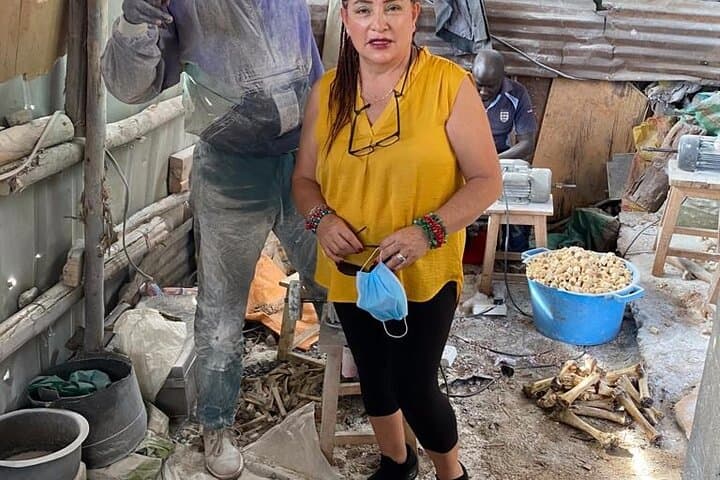
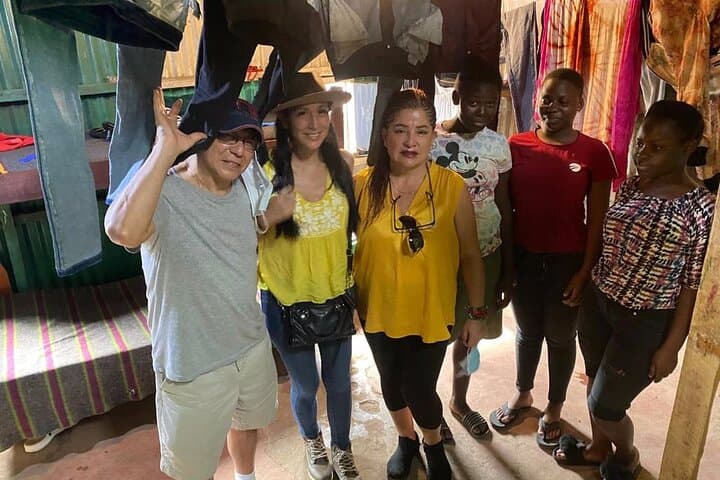
On Ismael’s tour expect a frank look at housing structures, an African bone workshop where artisans turn domestic bones into keepsakes, and a home visit that illustrates how families adapt limited space. You’ll visit a children’s rescue center and pause at a vantage point that gives an aerial, honest view of why locals sometimes call Kibera “Chocolate City.” Along the way Ismael offers context on the 2007–08 post-election displacement, ongoing community initiatives, and practical local customs.
Practical guidance: wear sturdy, closed-toe shoes and bring bottled water; the tour runs 3–4 hours with short, sometimes uneven walking sections. Respect private spaces, ask before photographing people, and carry small local currency for purchases or donations. Morning tours are cooler and less crowded; afternoons show more daily life. This is an urban walking experience delivered by a trusted local host — informative, grounded, and designed for travelers ready to learn directly from a neighborhood insider.
easy.
3–4 hours.
Suitable for most fitness levels; involves sustained walking over uneven urban terrain.
Ismael is a local guide known in the community and provides private transport for pick-up and drop-off; standard precautions—secure belongings and follow the guide’s directions—are recommended.
Yes, but always ask permission before photographing people or inside homes. The guide will help navigate respectful photo opportunities.
Some streets are passable with a stroller, but many lanes are uneven and steep; travelers with limited mobility should contact the operator to discuss accessibility.
Yes — families are welcome. Infants can ride in strollers or lap-held; child seats are available on request for transport portions.
Kibera expanded from colonial-era Nubian settlements and grew rapidly after independence into one of Kenya’s largest informal settlements, shaped by migration and limited municipal services.
Waste management and drainage are ongoing challenges; many community organizations run recycling, sanitation, and youth programs to improve living conditions.
Ismaels kibera slum tours operates guided outdoor trips and adventures with an emphasis on safety, stewardship, and memorable experiences.
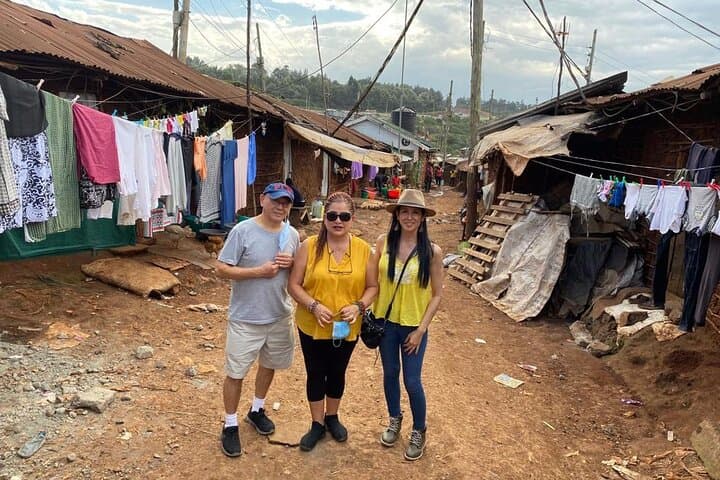

You step from Nairobi’s paved avenues into lanes that narrow and rise, stalls and corrugated roofs pressing in like pages of an open book. Ismael greets you with the steady authority of someone who grew up here; his voice threads through alleys where children run errands and entrepreneurs shape household waste into jewelry and crafts.
You step from Nairobi’s paved avenues into lanes that narrow and rise, stalls and corrugated roofs pressing in like pages of an open book. Ismael greets you with the steady authority of someone who grew up here; his voice threads through alleys where children run errands and entrepreneurs shape household waste into jewelry and crafts.
Kibera began as a settlement for Nubian soldiers under colonial rule and expanded rapidly in the post-independence era. The settlement sits on undulating ridges and seasonal drainage gullies that channel rainwater toward the city — topography that shapes housing patterns and daily life. The community is as much defined by informal economies and grassroots social services as by its dense architecture.
On Ismael’s tour expect a frank look at housing structures, an African bone workshop where artisans turn domestic bones into keepsakes, and a home visit that illustrates how families adapt limited space. You’ll visit a children’s rescue center and pause at a vantage point that gives an aerial, honest view of why locals sometimes call Kibera “Chocolate City.” Along the way Ismael offers context on the 2007–08 post-election displacement, ongoing community initiatives, and practical local customs.
Practical guidance: wear sturdy, closed-toe shoes and bring bottled water; the tour runs 3–4 hours with short, sometimes uneven walking sections. Respect private spaces, ask before photographing people, and carry small local currency for purchases or donations. Morning tours are cooler and less crowded; afternoons show more daily life. This is an urban walking experience delivered by a trusted local host — informative, grounded, and designed for travelers ready to learn directly from a neighborhood insider.