THE ADVENTURE COLLECTIVE® · Independent discovery and booking for outdoor travel

Spend a day moving from the densely lived lanes of Kibera into the staged cultural heart at Bomas of Kenya. This guided tour pairs community visits and craft demonstrations with afternoon tribal performances for a compact but revealing view of Nairobi life.
Spend a day moving from the densely lived lanes of Kibera into the staged cultural heart at Bomas of Kenya. This guided tour pairs community visits and craft demonstrations with afternoon tribal performances for a compact but revealing view of Nairobi life.
You step out of a hotel lobby into Nairobi's humid morning and the city unfolds — traffic pushing like a river, vendors calling, and the skyline sliding between acacia silhouettes. The tour starts with a drive along Ngong Road into Kibera, where narrow paths and corrugated roofs form a living neighborhood that challenges assumptions and rewards curiosity.
Verified experiences and guided adventures in the surrounding area.
Operated by Shagami Kenya Tours and Safaris · Nairobi, Nairobi County
You step out of a hotel lobby into Nairobi's humid morning and the city unfolds — traffic pushing like a river, vendors calling, and the skyline sliding between acacia silhouettes. The tour starts with a drive along Ngong Road into Kibera, where narrow paths and corrugated roofs form a living neighborhood that challenges assumptions and rewards curiosity.
Kibera's history is raw and layered: originally a settlement tied to colonial-era labor migration, it now hosts resilient communities practicing inventive crafts and micro-economies. The material landscape reflects Nairobi's geology — a high-elevation plateau carved by the Great Rift to the west — while the cultural landscape draws from dozens of Kenyan ethnic groups.
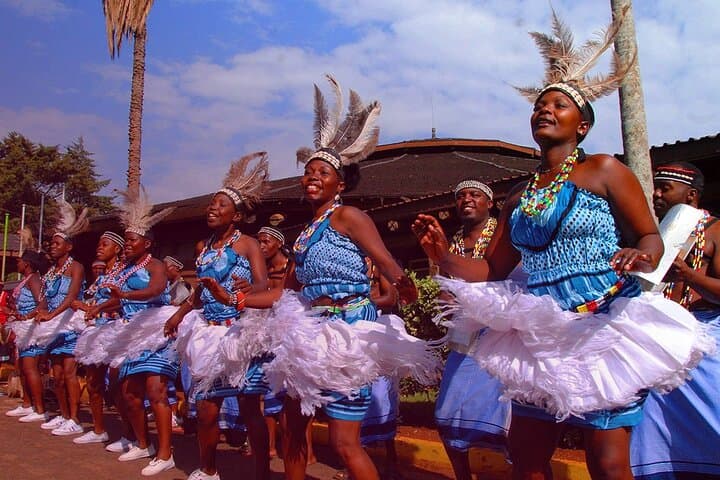
At the curio workshop you’ll see ornaments made from bone and recycled materials; at home visits, residents describe daily logistics around water vending and community schools. The afternoon moves to Bomas of Kenya, a government-sponsored cultural center that stages tribal dances, music, and drama that trace Kenya’s post-independence identity.
Practical guidance: this is an all-day, guided, largely low-impact walking tour (about 8 hours total). Wear sturdy shoes for unpaved alleys, bring small change for local purchases and lunch, and carry a lightweight rain layer during the short rains. Photography should be respectful — always ask before shooting inside homes. Water is provided, but bring a reusable bottle to reduce plastic.
The experience is equal parts education and observation: expect honest conversation, close-up scenes of everyday life, and an energetic cultural showcase at Bomas — a full-day primer on Nairobi’s social contrasts and creative resilience.
easy.
8 hours.
Suitable for travelers with basic mobility — involves short walks on uneven ground and standing during the Bomas performance.
Yes; tours are led by experienced guides and include hotel pickup and drop-off, but standard precautions apply—keep valuables secure and follow your guide’s advice.
Lunch is not included; the itinerary allows time for lunch at Bomas or nearby restaurants — bring cash for the meal of your choice.
Expect moderate low-impact walking inside Kibera (short alley walks and house visits) and standing periods during the Bomas cultural show; total active walking is light.
Yes, infants may sit on laps and the tour is suitable for most ages, though some sections may be intense for very young children.
Kibera grew from early 20th-century labor settlements and has evolved into Nairobi’s largest informal neighborhood; Bomas of Kenya was established to preserve and present the nation’s tribal music, dance, and crafts.
Support sustainability by buying directly from local artisans, avoiding single-use plastics, asking before photographing, and following guides’ advice to minimize impact.
Shagami Kenya Tours and Safaris operates guided outdoor trips and adventures with an emphasis on safety, stewardship, and memorable experiences.



You step out of a hotel lobby into Nairobi's humid morning and the city unfolds — traffic pushing like a river, vendors calling, and the skyline sliding between acacia silhouettes. The tour starts with a drive along Ngong Road into Kibera, where narrow paths and corrugated roofs form a living neighborhood that challenges assumptions and rewards curiosity.
You step out of a hotel lobby into Nairobi's humid morning and the city unfolds — traffic pushing like a river, vendors calling, and the skyline sliding between acacia silhouettes. The tour starts with a drive along Ngong Road into Kibera, where narrow paths and corrugated roofs form a living neighborhood that challenges assumptions and rewards curiosity.
Kibera's history is raw and layered: originally a settlement tied to colonial-era labor migration, it now hosts resilient communities practicing inventive crafts and micro-economies. The material landscape reflects Nairobi's geology — a high-elevation plateau carved by the Great Rift to the west — while the cultural landscape draws from dozens of Kenyan ethnic groups.
At the curio workshop you’ll see ornaments made from bone and recycled materials; at home visits, residents describe daily logistics around water vending and community schools. The afternoon moves to Bomas of Kenya, a government-sponsored cultural center that stages tribal dances, music, and drama that trace Kenya’s post-independence identity.
Practical guidance: this is an all-day, guided, largely low-impact walking tour (about 8 hours total). Wear sturdy shoes for unpaved alleys, bring small change for local purchases and lunch, and carry a lightweight rain layer during the short rains. Photography should be respectful — always ask before shooting inside homes. Water is provided, but bring a reusable bottle to reduce plastic.
The experience is equal parts education and observation: expect honest conversation, close-up scenes of everyday life, and an energetic cultural showcase at Bomas — a full-day primer on Nairobi’s social contrasts and creative resilience.