THE ADVENTURE COLLECTIVE® · Independent discovery and booking for outdoor travel

Explore the finds, science, and legal battles behind Key West’s most famous shipwreck discoveries. The Mel Fisher Maritime Museum pairs dazzling treasure with sober history and a live conservation lab—visit for 1–2 hours to see how sea and law shape the past.
Explore the finds, science, and legal battles behind Key West’s most famous shipwreck discoveries. The Mel Fisher Maritime Museum pairs dazzling treasure with sober history and a live conservation lab—visit for 1–2 hours to see how sea and law shape the past.
A warm salt breeze rolls off the harbor as you step up to the Mel Fisher Maritime Museum in Old Town Key West. Glass cases glitter with silver and coins; a conservation lab hums softly behind a viewing window. The museum places you at the junction where deep-sea salvage meets courtroom drama and museum science.
Verified experiences and guided adventures in the surrounding area.
Operated by Mel Fisher Maritime Museum · Key West, Florida
A warm salt breeze rolls off the harbor as you step up to the Mel Fisher Maritime Museum in Old Town Key West. Glass cases glitter with silver and coins; a conservation lab hums softly behind a viewing window. The museum places you at the junction where deep-sea salvage meets courtroom drama and museum science.
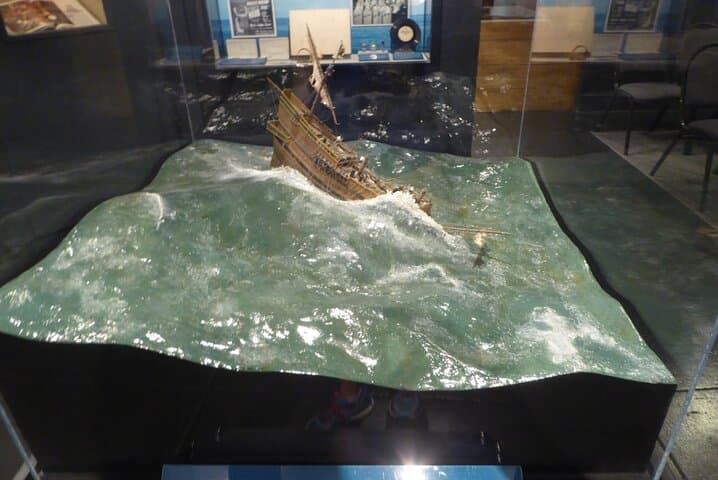
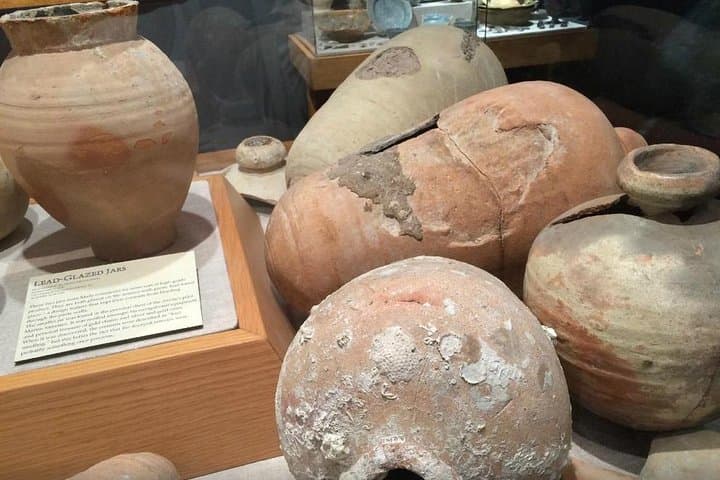
This institution grew from Mel Fisher’s decades-long search for Spanish galleons and the 1985 find of the Nuestra Señora de Atocha, and it houses artifacts from other wrecks such as the Henrietta Marie. Exhibits trace colonial trade routes, the economics of New World silver, and the grim reality of the transatlantic slave trade reflected in recovered cargo and the Henrietta Marie exhibit. Geology and oceanography panels explain how currents, coral, and storms both preserve and scatter wreck sites in the Florida Keys.
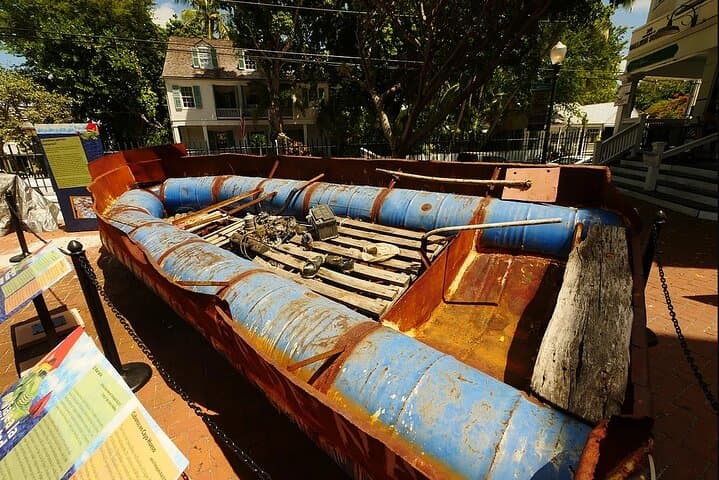
Beyond artifacts, the museum’s conservation lab and shipwreck science displays reveal methods—electrolysis, desalination and gentle cleaning—that turn corroded finds into public history. Local context is strong: Key West’s maritime heritage, from wrecking to fishing, threads through the galleries.
Practical guidance: allow 60–120 minutes for a full visit, and book lab-viewing slots if available. Mornings are quieter; combine the visit with a walk along the Historic Seaport. The museum is wheelchair accessible and stroller friendly, but artifacts are fragile—follow signage and staff instructions. Bring a water bottle, wear comfortable shoes for cobbled streets, and expect indoor, climate-controlled exhibits that are great any season except during major hurricane advisories.
easy.
1–2 hours.
No special fitness required; mostly indoor walking with some standing.
Plan on 60 to 120 minutes to view galleries, the Henrietta Marie exhibit, and the conservation lab window.
Yes—exhibits are wheelchair and stroller accessible, and staff can assist with accessibility questions.
Photography is generally permitted in public galleries without flash; follow posted signage for restricted areas such as the conservation lab.
The museum offers occasional lab viewing windows and special programming—check the museum schedule or book in advance when offered.
The museum grew from Mel Fisher’s decades-long salvage work, including high-profile finds like the Atocha; exhibits also interpret Key West’s wrecking and maritime economy.
The museum operates an active conservation lab and emphasizes artifact preservation; visitors help by not touching displays and supporting museum programs.
Mel Fisher Maritime Museum operates guided outdoor trips and adventures with an emphasis on safety, stewardship, and memorable experiences.
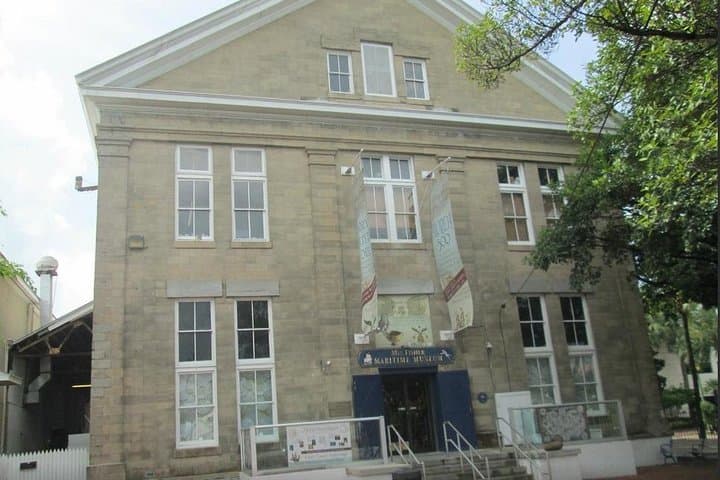
A warm salt breeze rolls off the harbor as you step up to the Mel Fisher Maritime Museum in Old Town Key West. Glass cases glitter with silver and coins; a conservation lab hums softly behind a viewing window. The museum places you at the junction where deep-sea salvage meets courtroom drama and museum science.
A warm salt breeze rolls off the harbor as you step up to the Mel Fisher Maritime Museum in Old Town Key West. Glass cases glitter with silver and coins; a conservation lab hums softly behind a viewing window. The museum places you at the junction where deep-sea salvage meets courtroom drama and museum science.
This institution grew from Mel Fisher’s decades-long search for Spanish galleons and the 1985 find of the Nuestra Señora de Atocha, and it houses artifacts from other wrecks such as the Henrietta Marie. Exhibits trace colonial trade routes, the economics of New World silver, and the grim reality of the transatlantic slave trade reflected in recovered cargo and the Henrietta Marie exhibit. Geology and oceanography panels explain how currents, coral, and storms both preserve and scatter wreck sites in the Florida Keys.
Beyond artifacts, the museum’s conservation lab and shipwreck science displays reveal methods—electrolysis, desalination and gentle cleaning—that turn corroded finds into public history. Local context is strong: Key West’s maritime heritage, from wrecking to fishing, threads through the galleries.
Practical guidance: allow 60–120 minutes for a full visit, and book lab-viewing slots if available. Mornings are quieter; combine the visit with a walk along the Historic Seaport. The museum is wheelchair accessible and stroller friendly, but artifacts are fragile—follow signage and staff instructions. Bring a water bottle, wear comfortable shoes for cobbled streets, and expect indoor, climate-controlled exhibits that are great any season except during major hurricane advisories.