THE ADVENTURE COLLECTIVE® · Independent discovery and booking for outdoor travel

Walk Kampala with a knowledgeable local woman who connects monuments, markets and mosques, offering cultural context and direct support to women‑run businesses. Expect city climbs, food tastings and a final viewpoint above Kampala.
Walk Kampala with a knowledgeable local woman who connects monuments, markets and mosques, offering cultural context and direct support to women‑run businesses. Expect city climbs, food tastings and a final viewpoint above Kampala.
You step off the tuk‑tuk into a city that moves to its own rhythm — horns, vendors calling, and the distant chime of prayer. The guide, a local woman whose voice threads history with neighborhood gossip, leads you down a lane lined with fruit stalls, past concrete monuments and toward the mosque perched high on a hill that demands you climb 272 of its 304 steps for the view.
Verified experiences and guided adventures in the surrounding area.
Operated by Mellow Moves And Travels · Kampala, Kampala Capital City
You step off the tuk‑tuk into a city that moves to its own rhythm — horns, vendors calling, and the distant chime of prayer. The guide, a local woman whose voice threads history with neighborhood gossip, leads you down a lane lined with fruit stalls, past concrete monuments and toward the mosque perched high on a hill that demands you climb 272 of its 304 steps for the view.
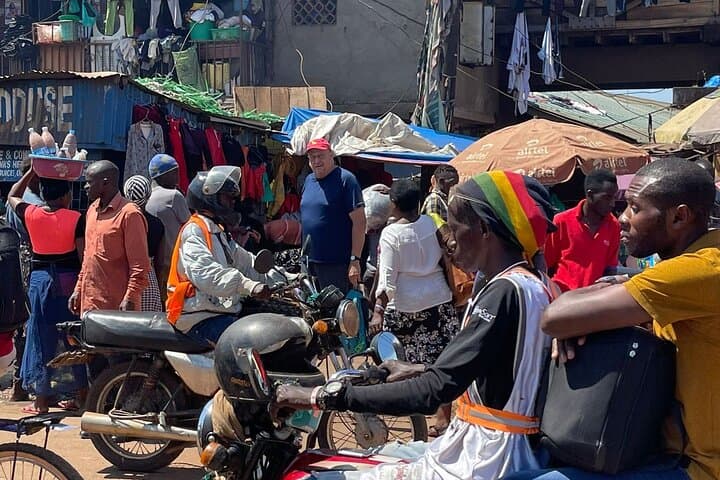
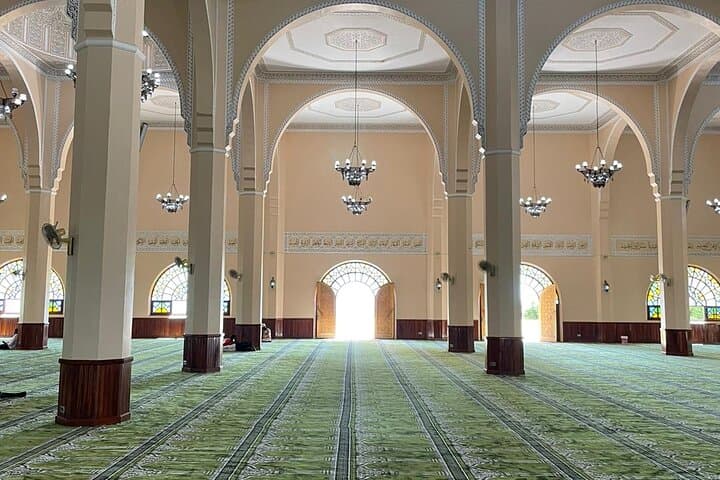
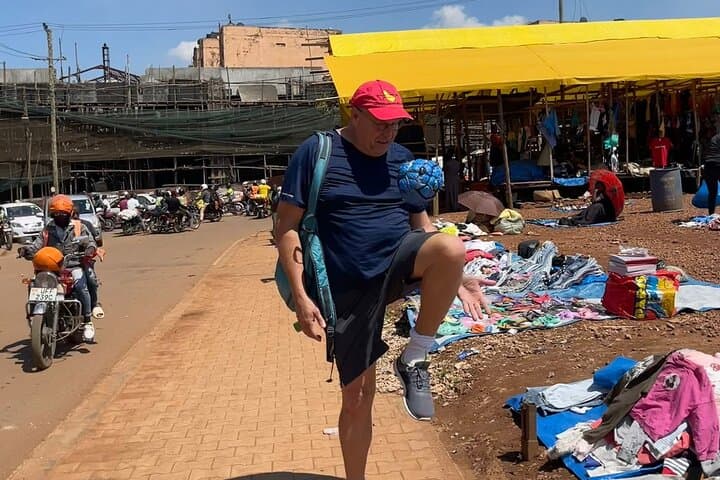
Kampala sits on seven original hills above Lake Victoria; its bedrock is ancient granite that peeks through where pavement and market stalls give way to small parks. The walking tour threads colonial monuments and independence squares with living markets — craft sellers beside second‑hand clothing bazaars and stalls of seasonal tropical fruit. Religious diversity is visible: Hindu temples built in poured concrete, stately mosques, and Christian churches each telling a chapter of Uganda’s social history and post‑colonial identity.
This tour is also an economic act: female guides and visits to women‑run stalls channel tourism dollars into local businesses and gender‑equity programs. Expect stops at wartime memorials, the Gorilla monument, craft markets, a bustling food market with tasting opportunities, and the mosque viewpoint as the finale.
Practical guidance: wear supportive shoes, carry a refillable water bottle, and bring small-denomination Ugandan shillings for market purchases. Start in the morning to dodge afternoon rains and the strongest sun. Be prepared to remove shoes or cover shoulders at religious sites, and keep purchases mindful and small to directly support vendors. The route is physically easy but urban — attentive navigation through crowded markets and traffic is part of the experience.
easy.
3–4 hours.
Suitable for most fitness levels; ability to walk 2–4 miles on city streets and climb stairs is helpful.
Yes, the tour is family friendly; infants must sit on a lap and the pace is moderate, but crowded markets may be overstimulating for very young children.
Guides typically speak English and local languages; confirm at booking if you need a specific language.
Yes — the itinerary lists entrance fees for specified monuments, the temple, and selected sites as included in the tour price.
Tipping is appreciated; a modest tip for the guide and separate small purchases at market stalls are customary and support local entrepreneurs.
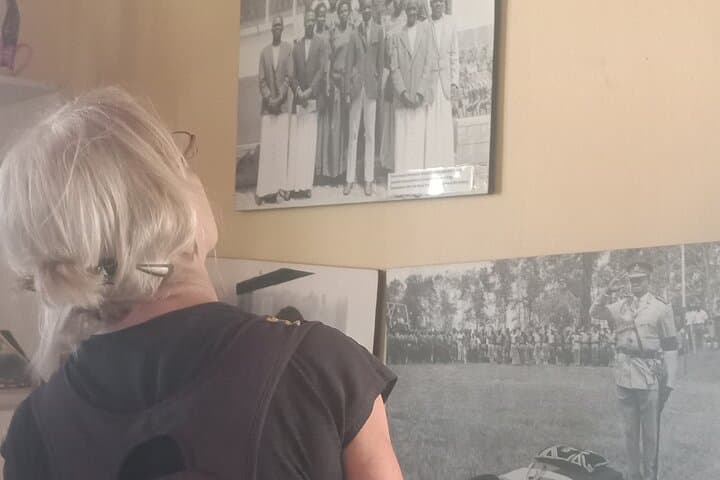
Kampala developed from a collection of royal hill settlements into Uganda’s capital during colonial rule; many monuments trace the city’s role in independence and wartime remembrance.
Markets generate significant waste; vendors increasingly use reusable packaging and guides encourage visitors to minimize plastic and support vendors who follow sustainable practices.
Mellow Moves And Travels operates guided outdoor trips and adventures with an emphasis on safety, stewardship, and memorable experiences.
You step off the tuk‑tuk into a city that moves to its own rhythm — horns, vendors calling, and the distant chime of prayer. The guide, a local woman whose voice threads history with neighborhood gossip, leads you down a lane lined with fruit stalls, past concrete monuments and toward the mosque perched high on a hill that demands you climb 272 of its 304 steps for the view.
You step off the tuk‑tuk into a city that moves to its own rhythm — horns, vendors calling, and the distant chime of prayer. The guide, a local woman whose voice threads history with neighborhood gossip, leads you down a lane lined with fruit stalls, past concrete monuments and toward the mosque perched high on a hill that demands you climb 272 of its 304 steps for the view.
Kampala sits on seven original hills above Lake Victoria; its bedrock is ancient granite that peeks through where pavement and market stalls give way to small parks. The walking tour threads colonial monuments and independence squares with living markets — craft sellers beside second‑hand clothing bazaars and stalls of seasonal tropical fruit. Religious diversity is visible: Hindu temples built in poured concrete, stately mosques, and Christian churches each telling a chapter of Uganda’s social history and post‑colonial identity.
This tour is also an economic act: female guides and visits to women‑run stalls channel tourism dollars into local businesses and gender‑equity programs. Expect stops at wartime memorials, the Gorilla monument, craft markets, a bustling food market with tasting opportunities, and the mosque viewpoint as the finale.
Practical guidance: wear supportive shoes, carry a refillable water bottle, and bring small-denomination Ugandan shillings for market purchases. Start in the morning to dodge afternoon rains and the strongest sun. Be prepared to remove shoes or cover shoulders at religious sites, and keep purchases mindful and small to directly support vendors. The route is physically easy but urban — attentive navigation through crowded markets and traffic is part of the experience.