THE ADVENTURE COLLECTIVE® · Independent discovery and booking for outdoor travel

Step into Kamloops BC Wildlife Park for close-up encounters with rescued bears, wolves, and raptors, plus family-friendly train rides and feed talks. This guide covers what to expect, local context, and practical tips to plan your visit.
Step into Kamloops BC Wildlife Park for close-up encounters with rescued bears, wolves, and raptors, plus family-friendly train rides and feed talks. This guide covers what to expect, local context, and practical tips to plan your visit.
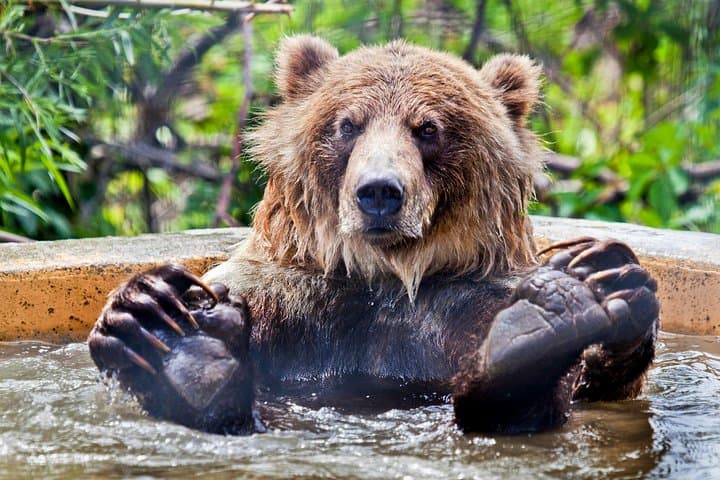
You step through the gate and the air changes — wood chips underfoot, the distant call of a raptor, the low grumble of a grizzly that has learned visitors mean food and stories. The BC Wildlife Park spreads across gentle, tree-lined enclosures on the southern edge of Kamloops, where scrubby dryland slopes meet the Thompson River valley.
Verified experiences and guided adventures in the surrounding area.
Operated by BC Wildlife Park · Kamloops, British Columbia
You step through the gate and the air changes — wood chips underfoot, the distant call of a raptor, the low grumble of a grizzly that has learned visitors mean food and stories. The BC Wildlife Park spreads across gentle, tree-lined enclosures on the southern edge of Kamloops, where scrubby dryland slopes meet the Thompson River valley.
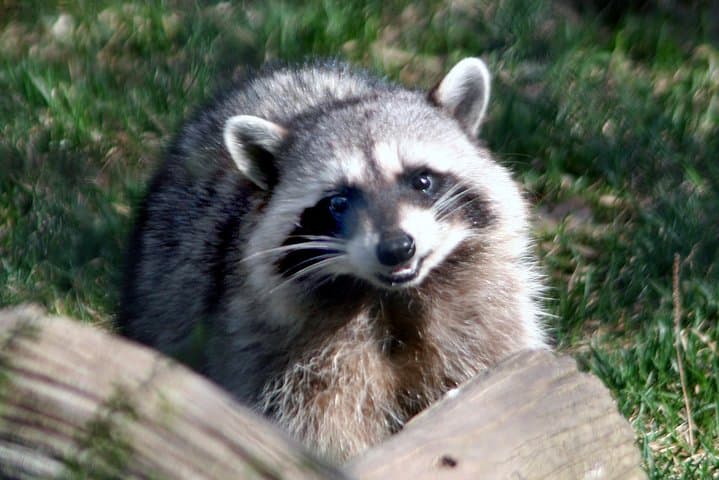
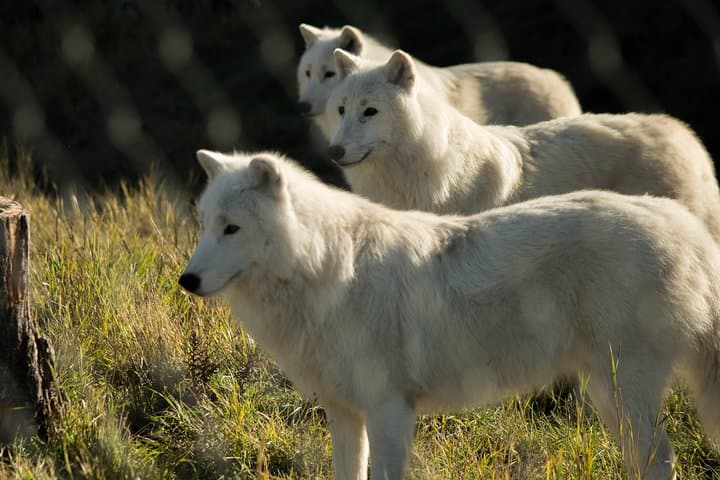
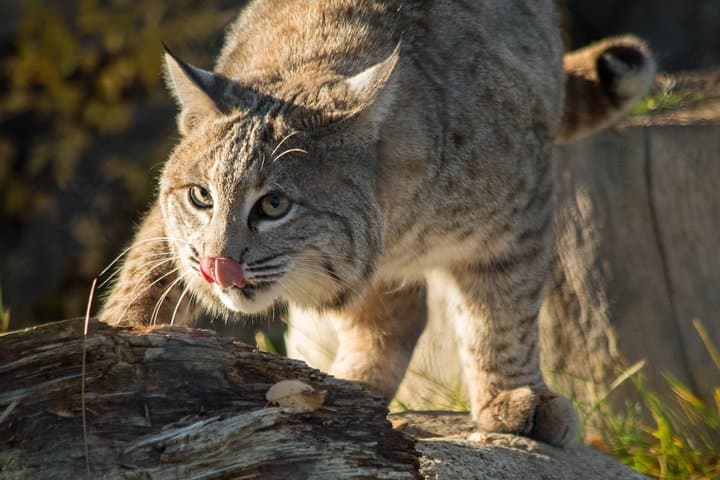
Opened in 1965, the park began as a provincial showcase and evolved into one of British Columbia’s key wildlife rehabilitation centres. Its enclosures reflect local geology: sunbaked rock outcrops, ponderosa pine pockets and interpretive viewing ledges that orient visitors to the dry-belt landscape of the Interior. The park keeps rescue animals that cannot be released — from black bears to raptors — and is home to the only Kermode (spirit) bear in human care, Clover.
Culturally, the park ties into local stewardship: daily feed talks and Bird of Prey demonstrations emphasize human-wildlife conflict, rehabilitation and habitat. The Wildlife Express train gives a relaxed vantage across areas visitors can’t walk, while the Home Hardware family farm invites hands-on encounters for kids.
Practical guidance: present your voucher at Guest Services, plan feed talks with the daily schedule, and allocate 1–4 hours depending on pace and kids. Wear good walking shoes; shade is limited in some enclosures. Accessibility services, strollers and wheelchairs are available. Buy a conservation-focused souvenir — it directly supports rescue work — and time your visit for cooler morning hours when animal activity is highest.
easy.
1–7 hours.
Suitable for all fitness levels; basic mobility needed to move between enclosures or use accessible routes
No — your voucher grants general admission; present it at Guest Services and check the daily schedule once inside.
Yes — the park offers stroller and wagon rentals and loaner wheelchairs; many pathways and exhibits are accessible.
Only service animals are allowed; non-service pets are not permitted to protect resident animals and welfare.
Most visitors spend 1–4 hours; families with young children or those attending multiple talks can stay up to 6–7 hours.
Founded in 1965, the park evolved from a regional attraction into a licensed rehabilitation centre that cares for non-releasable animals from across British Columbia.
The park operates a Wildlife Health Centre for injured or orphaned animals; visitor fees and gift shop purchases directly support rescue and rehabilitation work.
BC Wildlife Park operates guided outdoor trips and adventures with an emphasis on safety, stewardship, and memorable experiences.
You step through the gate and the air changes — wood chips underfoot, the distant call of a raptor, the low grumble of a grizzly that has learned visitors mean food and stories. The BC Wildlife Park spreads across gentle, tree-lined enclosures on the southern edge of Kamloops, where scrubby dryland slopes meet the Thompson River valley.
You step through the gate and the air changes — wood chips underfoot, the distant call of a raptor, the low grumble of a grizzly that has learned visitors mean food and stories. The BC Wildlife Park spreads across gentle, tree-lined enclosures on the southern edge of Kamloops, where scrubby dryland slopes meet the Thompson River valley.
Opened in 1965, the park began as a provincial showcase and evolved into one of British Columbia’s key wildlife rehabilitation centres. Its enclosures reflect local geology: sunbaked rock outcrops, ponderosa pine pockets and interpretive viewing ledges that orient visitors to the dry-belt landscape of the Interior. The park keeps rescue animals that cannot be released — from black bears to raptors — and is home to the only Kermode (spirit) bear in human care, Clover.
Culturally, the park ties into local stewardship: daily feed talks and Bird of Prey demonstrations emphasize human-wildlife conflict, rehabilitation and habitat. The Wildlife Express train gives a relaxed vantage across areas visitors can’t walk, while the Home Hardware family farm invites hands-on encounters for kids.
Practical guidance: present your voucher at Guest Services, plan feed talks with the daily schedule, and allocate 1–4 hours depending on pace and kids. Wear good walking shoes; shade is limited in some enclosures. Accessibility services, strollers and wheelchairs are available. Buy a conservation-focused souvenir — it directly supports rescue work — and time your visit for cooler morning hours when animal activity is highest.