THE ADVENTURE COLLECTIVE® · Independent discovery and booking for outdoor travel

Explore lava caves carved a thousand years ago then visit Hellisheiði to learn how Iceland turns fire and steam into power. This full-day trip blends hands-on caving with energy history and practical outdoor guidance.
Explore lava caves carved a thousand years ago then visit Hellisheiði to learn how Iceland turns fire and steam into power. This full-day trip blends hands-on caving with energy history and practical outdoor guidance.
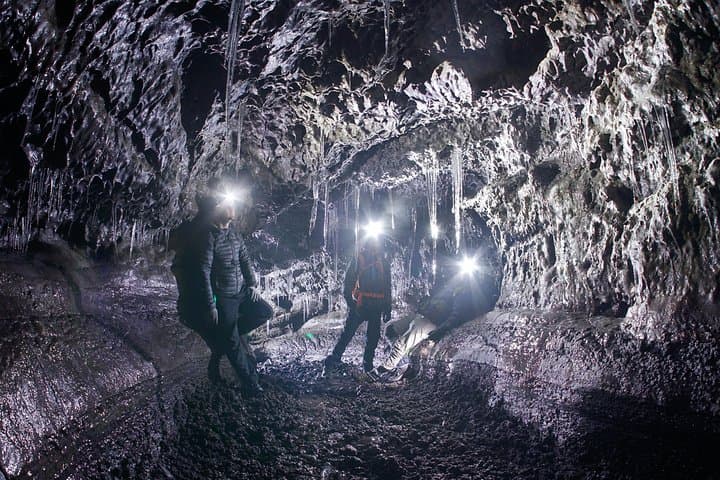
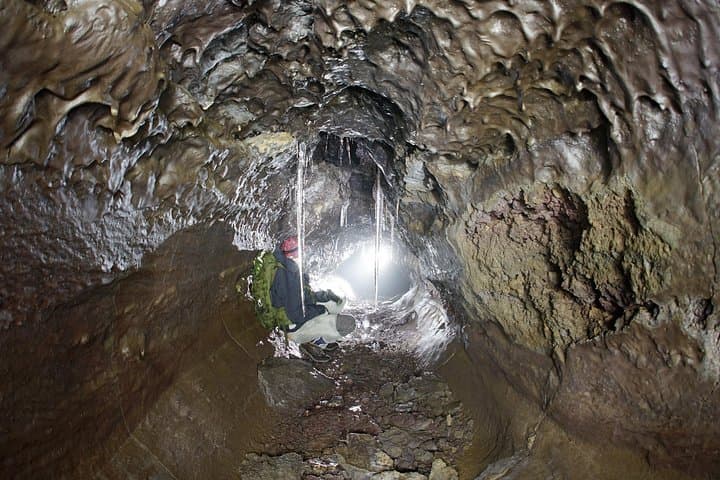
A wind-whipped plain of black rock opens under a low northern sky, and you step from the van onto a thousand-year-old lava field that still seems to be breathing. The ground crunches with loose scoria; tongues of basalt form ridges and hollows that hide tunnels and chambers. You move slowly, headlamp cones cutting into darkness as the caves welcome you, each chamber a different phase of the island's restlessness.
Verified experiences and guided adventures in the surrounding area.
Operated by G spot Iceland · Reykjavik, Capital Region
A wind-whipped plain of black rock opens under a low northern sky, and you step from the van onto a thousand-year-old lava field that still seems to be breathing. The ground crunches with loose scoria; tongues of basalt form ridges and hollows that hide tunnels and chambers. You move slowly, headlamp cones cutting into darkness as the caves welcome you, each chamber a different phase of the island's restlessness.
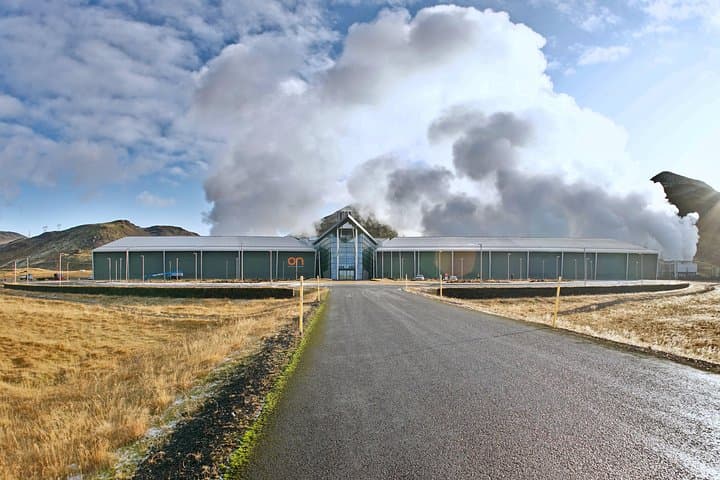
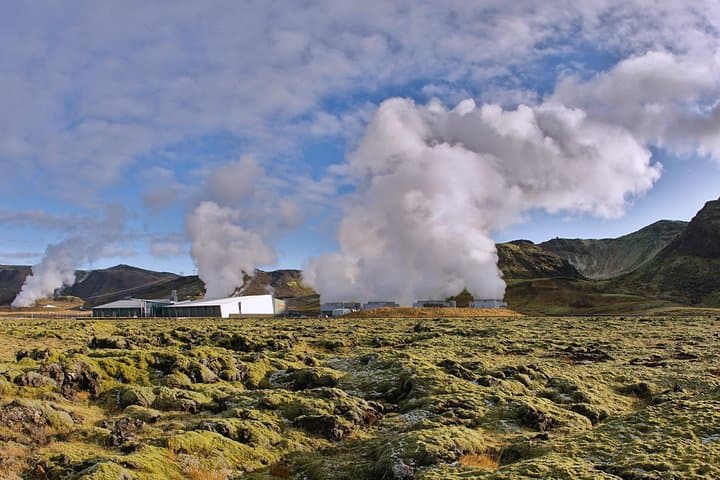
Iceland sits on the Mid-Atlantic Ridge; these lava tubes and collapsed chambers are recent chapters in a long-written geology. You'll pass pahoehoe and a'a textures, fingered flow fronts, and pockets where steam once pushed rock aside. Culture here is practical—Geothermal power shaped modern Iceland—and a stop at Hellisheiði (Iceland’s largest geothermal plant) ties the landscape to national energy use and innovation.
Expect crawling as well as walking: guides choose caves that match the group's fitness, so you may enter two to four distinct passages. Lunch is practical and local: a simple cook-up of Icelandic hot dogs, coffee, and time to warm hands and compare impressions of the dark. The geothermal visit demystifies how boiling rock becomes electricity, and how “green” energy looks in the field.
Practicalities: wear stiff-soled hiking boots and layered waterproof clothing; helmets, crampons, and headlamps are provided. Tours run roughly 6–7 hours, mostly on uneven terrain and low-light sections. Bring water, a compact lunch appetite, and a spirit ready to move deliberately—this is landscape study as much as adventure.
moderate.
6–7 hours.
Moderately fit: able to walk uneven terrain for several hours and perform short low-crawl sections.
Moderate—expect several hours of walking on uneven lava and short sections of crawling; guides tailor cave choices to group ability.
Yes; helmets, crampons, headlamps, and gloves are supplied as part of the tour equipment.
Yes, but use headlamp or low-light settings; flash can be used sparingly to avoid disturbing other guests and to protect formations.
Yes, transport amenities are included; pickups are typically arranged from central Reykjavik meeting points or hotels listed at booking.
The lava field is roughly 1,000 years old; modern geothermal development at Hellisheiði helped transition Iceland to predominantly renewable power in recent decades.
Stay on marked paths and follow guide instructions—lichen and newly formed soils are fragile and recover very slowly from foot traffic.
G spot Iceland operates guided outdoor trips and adventures with an emphasis on safety, stewardship, and memorable experiences.
A wind-whipped plain of black rock opens under a low northern sky, and you step from the van onto a thousand-year-old lava field that still seems to be breathing. The ground crunches with loose scoria; tongues of basalt form ridges and hollows that hide tunnels and chambers. You move slowly, headlamp cones cutting into darkness as the caves welcome you, each chamber a different phase of the island's restlessness.
A wind-whipped plain of black rock opens under a low northern sky, and you step from the van onto a thousand-year-old lava field that still seems to be breathing. The ground crunches with loose scoria; tongues of basalt form ridges and hollows that hide tunnels and chambers. You move slowly, headlamp cones cutting into darkness as the caves welcome you, each chamber a different phase of the island's restlessness.
Iceland sits on the Mid-Atlantic Ridge; these lava tubes and collapsed chambers are recent chapters in a long-written geology. You'll pass pahoehoe and a'a textures, fingered flow fronts, and pockets where steam once pushed rock aside. Culture here is practical—Geothermal power shaped modern Iceland—and a stop at Hellisheiði (Iceland’s largest geothermal plant) ties the landscape to national energy use and innovation.
Expect crawling as well as walking: guides choose caves that match the group's fitness, so you may enter two to four distinct passages. Lunch is practical and local: a simple cook-up of Icelandic hot dogs, coffee, and time to warm hands and compare impressions of the dark. The geothermal visit demystifies how boiling rock becomes electricity, and how “green” energy looks in the field.
Practicalities: wear stiff-soled hiking boots and layered waterproof clothing; helmets, crampons, and headlamps are provided. Tours run roughly 6–7 hours, mostly on uneven terrain and low-light sections. Bring water, a compact lunch appetite, and a spirit ready to move deliberately—this is landscape study as much as adventure.