THE ADVENTURE COLLECTIVE® · Independent discovery and booking for outdoor travel

Step into Hoi An Silk Village for a half-day look at sericulture and traditional weaving. Watch silkworms, try simple weaving techniques, and learn how centuries of craft shape Vietnam’s silk traditions.
Step into Hoi An Silk Village for a half-day look at sericulture and traditional weaving. Watch silkworms, try simple weaving techniques, and learn how centuries of craft shape Vietnam’s silk traditions.
Dawn light filters through rows of mulberry trees as the group steps from the minivan into Hoi An Silk Village. The air smells faintly of fresh leaves and boiled cocoons; a guide leads visitors past ancient mulberry roots toward low wooden houses where trays of pale silkworms ripple like living thread.
Verified experiences and guided adventures in the surrounding area.
Operated by Bay Mau Tour · Hoi An, Quang Nam
Dawn light filters through rows of mulberry trees as the group steps from the minivan into Hoi An Silk Village. The air smells faintly of fresh leaves and boiled cocoons; a guide leads visitors past ancient mulberry roots toward low wooden houses where trays of pale silkworms ripple like living thread.
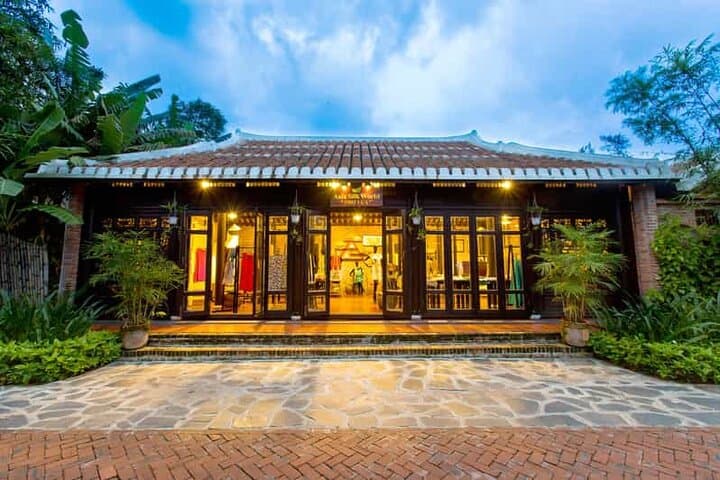
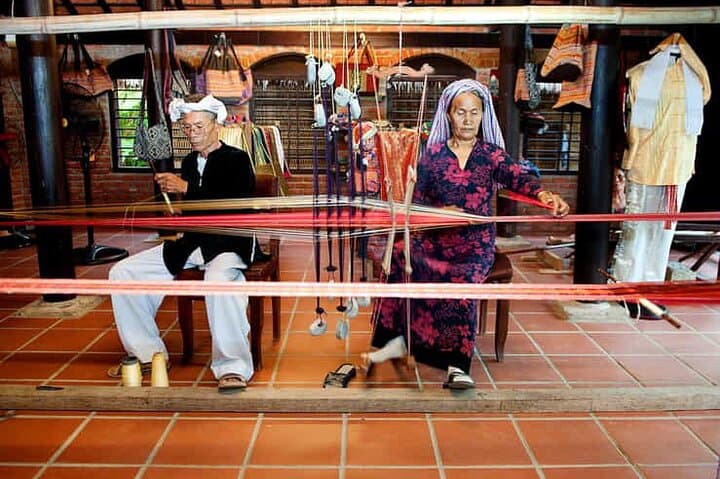
Sericulture in central Vietnam stretches back centuries, shaped by Champa-era trade and later Vietnamese household industries. The region’s flat alluvial plains and warm, humid climate make it ideal for mulberry cultivation and silkworm rearing—practical conditions that helped local textiles develop distinct patterns and techniques. At the weaving house, traditional looms clack in a rhythm that feels both methodical and intimate; tailors show how cocoons become floss, floss becomes skein, and skein becomes tailored cloth.
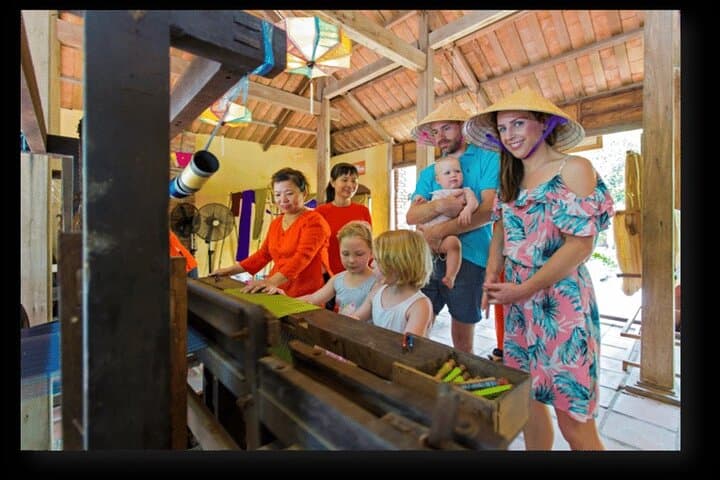
Visitors can feed silkworms, watch cocoon unwinding, and try basic shuttle-weaving under staff supervision. The experience balances hands-on craft with cultural context: expect clear demonstrations, a showroom of finished garments, and a chance to ask about Champa motifs and dyeing methods.
Practical guidance: book morning slots to avoid afternoon heat, wear closed-toe shoes for uneven paths, and bring a reusable bottle—the host provides water. Photography is welcome but follow staff instructions around live insects and dye baths. Allow four hours for pickup, tour, and return to Hoi An city center; the pace is gentle but rich in detail, ideal for travelers seeking a compact, tangible connection to Vietnam’s textile heritage.
easy.
4 hours.
Suitable for most travelers; involves short walks on flat terrain and standing during demonstrations
Yes—pickup and drop-off from Hoi An city center hotels are included in the tour price.
Guests can try simple weaving and feeding silkworms under staff guidance; delicate tasks are handled by trained artisans.
The tour offers local lunch with vegetarian options—notify the operator in advance for dietary needs.
Yes; the tour is family-friendly, though supervision is recommended around live insects and equipment.
Sericulture around Hoi An evolved through Champa trade links and centuries of household weaving traditions, influencing local motifs and dyeing practices.
Support local workshops by buying directly from artisans; avoid disturbing mulberry trees and follow guidance to reduce handling of live insects.
Bay Mau Tour operates guided outdoor trips and adventures with an emphasis on safety, stewardship, and memorable experiences.

Dawn light filters through rows of mulberry trees as the group steps from the minivan into Hoi An Silk Village. The air smells faintly of fresh leaves and boiled cocoons; a guide leads visitors past ancient mulberry roots toward low wooden houses where trays of pale silkworms ripple like living thread.
Dawn light filters through rows of mulberry trees as the group steps from the minivan into Hoi An Silk Village. The air smells faintly of fresh leaves and boiled cocoons; a guide leads visitors past ancient mulberry roots toward low wooden houses where trays of pale silkworms ripple like living thread.
Sericulture in central Vietnam stretches back centuries, shaped by Champa-era trade and later Vietnamese household industries. The region’s flat alluvial plains and warm, humid climate make it ideal for mulberry cultivation and silkworm rearing—practical conditions that helped local textiles develop distinct patterns and techniques. At the weaving house, traditional looms clack in a rhythm that feels both methodical and intimate; tailors show how cocoons become floss, floss becomes skein, and skein becomes tailored cloth.
Visitors can feed silkworms, watch cocoon unwinding, and try basic shuttle-weaving under staff supervision. The experience balances hands-on craft with cultural context: expect clear demonstrations, a showroom of finished garments, and a chance to ask about Champa motifs and dyeing methods.
Practical guidance: book morning slots to avoid afternoon heat, wear closed-toe shoes for uneven paths, and bring a reusable bottle—the host provides water. Photography is welcome but follow staff instructions around live insects and dye baths. Allow four hours for pickup, tour, and return to Hoi An city center; the pace is gentle but rich in detail, ideal for travelers seeking a compact, tangible connection to Vietnam’s textile heritage.