THE ADVENTURE COLLECTIVE® · Independent discovery and booking for outdoor travel

Walk where kings and courtiers once paced: a private, expert-led tour through both Tudor and Baroque halves of Hampton Court Palace. Expect kitchens, tapestries, a haunted gallery and garden secrets—plus practical tips to plan your visit.
Walk where kings and courtiers once paced: a private, expert-led tour through both Tudor and Baroque halves of Hampton Court Palace. Expect kitchens, tapestries, a haunted gallery and garden secrets—plus practical tips to plan your visit.
You step through the Tudor Gatehouse and the air seems to change—smells of old timber and polished stone, the clink of footsteps in a hall that has hosted monarchs and ministers. An accredited guide leads you under low beams into the Tudor kitchens, where the scale of royal provisioning becomes tactile, and up into State Apartments hung with tapestries that once declared royal intent.
Verified experiences and guided adventures in the surrounding area.
Operated by Sarah Slater Blue Badge Tourist Guide @ The History Guides · East Molesey, Surrey
You step through the Tudor Gatehouse and the air seems to change—smells of old timber and polished stone, the clink of footsteps in a hall that has hosted monarchs and ministers. An accredited guide leads you under low beams into the Tudor kitchens, where the scale of royal provisioning becomes tactile, and up into State Apartments hung with tapestries that once declared royal intent.
Hampton Court began as Cardinal Wolsey’s ambitious house and was acquired by Henry VIII in 1529; later William III and Mary II expanded the estate with baroque façades and formal gardens. Geologically the palace sits on the Thames floodplain—soft clay and river sediments shaped the gardens and the course of the nearby river, which still nudges the estate with seasonal high water. Culturally the site is a record of court ceremony, culinary logistics and early modern sport—the Royal Tennis Court sits close by—and you’ll hear stories that range from political patronage to the gossip that rattled palace corridors.
The private walk covers Tudor and Baroque wings, the Haunted Gallery, the Great Vine and the maze. Note practicalities: this is a full-grounds tour (about 2–2.5 hours); palace admission is not included and should be purchased through Historic Royal Palaces (approx. £31). Wear comfortable shoes for uneven floors and cobbles; the guide can adjust route for mobility needs. Peak times are late morning and early afternoon—arrive early to make the most of quieter rooms. Bring a compact camera, and remember that conservation rules mean no touching the tapestries and limited flash photography. This tour turns history into a paced, human story you can follow room by room.
easy.
2–2.5 hours.
Suitable for most fitness levels; requires standing and walking on uneven historic floors.
No—the guide fee covers the private guiding service only; purchase palace admission separately through Historic Royal Palaces before your visit.
Yes; the tour is family-friendly but contains lengthy walking and stairs—strollers are accepted in many areas but some rooms require folding or baby carriers.
Hampton Court offers accessible routes and the guide will accommodate mobility needs, but some historic rooms have restricted access—notify the operator when booking.
Yes; the standard full-grounds private tour includes the gardens, maze and the Great Vine when open to visitors, weather and conservation permitting.
Originally built for Cardinal Wolsey and taken by Henry VIII in 1529, Hampton Court later received William and Mary’s baroque makeover—creating the palace’s distinct two-halves.
Historic Royal Palaces manages conservation with visitor limits, careful textile and furniture care, and seasonal access restrictions to protect fragile interiors and gardens.
Sarah Slater Blue Badge Tourist Guide @ The History Guides operates guided outdoor trips and adventures with an emphasis on safety, stewardship, and memorable experiences.


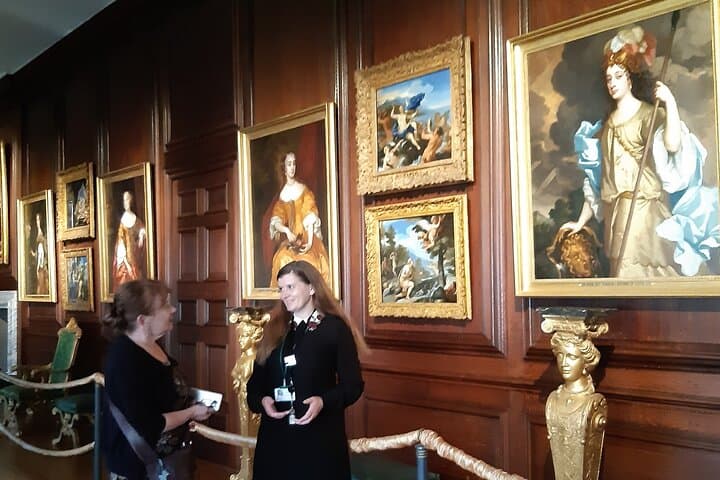

You step through the Tudor Gatehouse and the air seems to change—smells of old timber and polished stone, the clink of footsteps in a hall that has hosted monarchs and ministers. An accredited guide leads you under low beams into the Tudor kitchens, where the scale of royal provisioning becomes tactile, and up into State Apartments hung with tapestries that once declared royal intent.
You step through the Tudor Gatehouse and the air seems to change—smells of old timber and polished stone, the clink of footsteps in a hall that has hosted monarchs and ministers. An accredited guide leads you under low beams into the Tudor kitchens, where the scale of royal provisioning becomes tactile, and up into State Apartments hung with tapestries that once declared royal intent.
Hampton Court began as Cardinal Wolsey’s ambitious house and was acquired by Henry VIII in 1529; later William III and Mary II expanded the estate with baroque façades and formal gardens. Geologically the palace sits on the Thames floodplain—soft clay and river sediments shaped the gardens and the course of the nearby river, which still nudges the estate with seasonal high water. Culturally the site is a record of court ceremony, culinary logistics and early modern sport—the Royal Tennis Court sits close by—and you’ll hear stories that range from political patronage to the gossip that rattled palace corridors.
The private walk covers Tudor and Baroque wings, the Haunted Gallery, the Great Vine and the maze. Note practicalities: this is a full-grounds tour (about 2–2.5 hours); palace admission is not included and should be purchased through Historic Royal Palaces (approx. £31). Wear comfortable shoes for uneven floors and cobbles; the guide can adjust route for mobility needs. Peak times are late morning and early afternoon—arrive early to make the most of quieter rooms. Bring a compact camera, and remember that conservation rules mean no touching the tapestries and limited flash photography. This tour turns history into a paced, human story you can follow room by room.