THE ADVENTURE COLLECTIVE® · Independent discovery and booking for outdoor travel

Step beyond the commuter rush and discover Grand Central’s overlooked rooms and ingenious design flaws. This 90‑minute private walking tour reveals hidden tennis courts, secret bars, and the story behind the terminal’s backwards ceiling.
Step beyond the commuter rush and discover Grand Central’s overlooked rooms and ingenious design flaws. This 90‑minute private walking tour reveals hidden tennis courts, secret bars, and the story behind the terminal’s backwards ceiling.
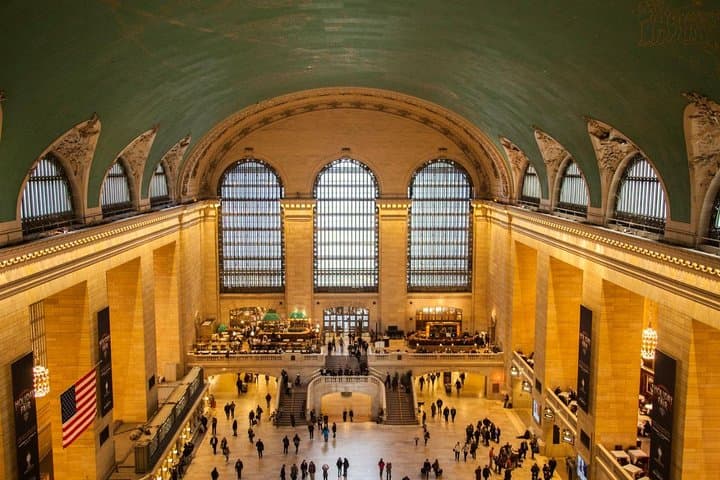
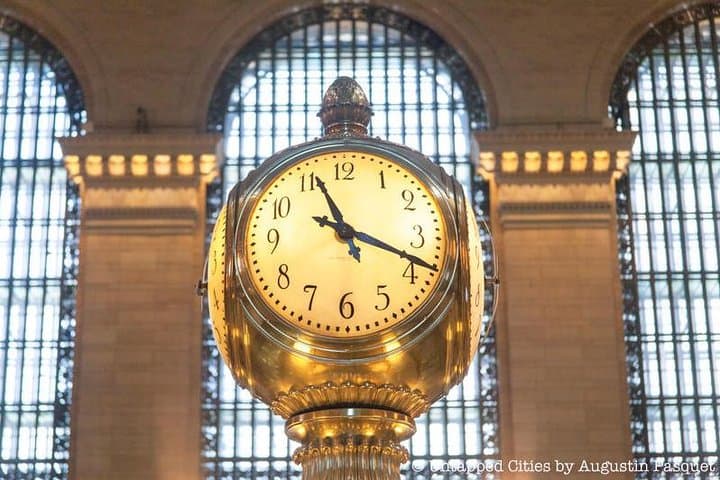
You step out from the roar of 42nd Street into the vaulted hush of Grand Central’s main concourse: light slices through the high windows, the four-faced clock presides over a river of commuters, and a guide waits with an earpiece-fed voice that draws you toward a world most commuters miss.
Verified experiences and guided adventures in the surrounding area.
Operated by Untapped New York · New York, New York
You step out from the roar of 42nd Street into the vaulted hush of Grand Central’s main concourse: light slices through the high windows, the four-faced clock presides over a river of commuters, and a guide waits with an earpiece-fed voice that draws you toward a world most commuters miss.
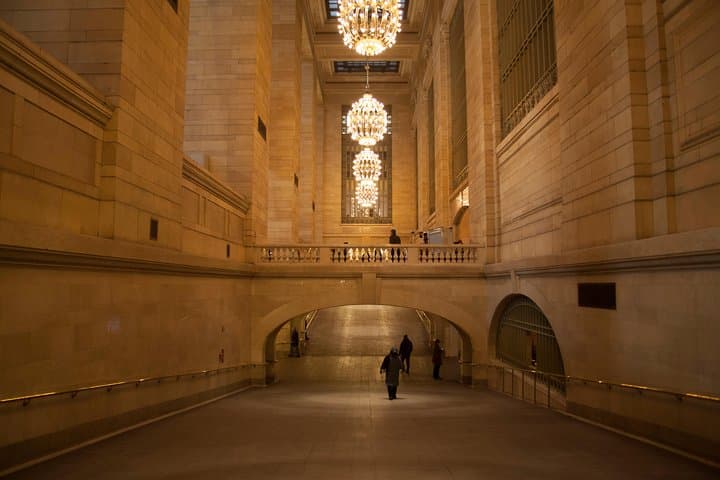
The terminal opened in 1913, built by the Vanderbilts and designed in Beaux-Arts style to be both a rail hub and a civic statement. Its celestial ceiling—famously painted “backwards” because the artist used a mirror image—hides layers of repair and restoration that saved the building from demolition in the 1960s. Beneath the marble and on mezzanine levels are surprises: a covered tennis court that once served wealthy patrons, an ornate office-turned-cocktail-room (the Campbell Apartment), and the ghost of Track 61 used by presidents and private trains.
Walking this 90-minute private route, you’ll balance architecture and urban lore: learn how air rights shaped Midtown, where hidden symbols point back to the families who funded the terminal, and why the lost movie theater vanished into office space.
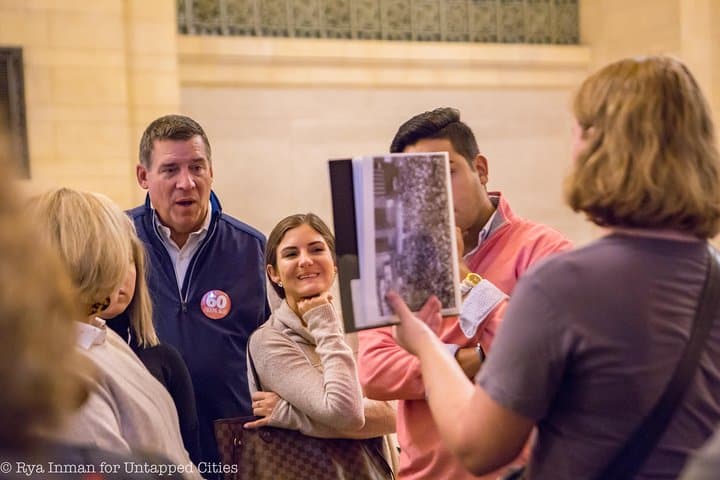
Expect easy ground—polished stone, a few stair flights, and crowded corridors at peak times. Practical prep: arrive early to meet in front of Track 29, wear comfortable shoes, keep cameras ready (but be mindful of commuters), and carry a small water bottle. Guides provide earpieces so every detail is audible even when the crowd swells.
This tour is both an intro to New York civic history and a close-reading of one of the busiest indoor public spaces in the world—ideal for curious travelers who prefer stories with their sightseeing.
easy.
1.5 hours.
Suitable for most fitness levels; requires standing and walking on hard surfaces for the duration.
The meeting point is in front of Track 29 inside Grand Central’s main concourse; the guide will hold an 'Untapped New York' sign.
Yes—Grand Central and this tour are wheelchair accessible; notify the operator if you need accommodations when booking.
Photography for personal use is allowed; be considerate of commuters and follow any posted rules in specific rooms.
This is a private tour—group size is limited per booking, and your guide will confirm details when you book.
Grand Central Terminal opened in 1913, financed by the Vanderbilt family, and became a landmark after mid‑20th‑century preservation battles restored its public prominence.
Grand Central is a designated historic landmark; visitors are encouraged to respect fixtures and follow rules that protect original finishes and public access.
Untapped New York operates guided outdoor trips and adventures with an emphasis on safety, stewardship, and memorable experiences.
You step out from the roar of 42nd Street into the vaulted hush of Grand Central’s main concourse: light slices through the high windows, the four-faced clock presides over a river of commuters, and a guide waits with an earpiece-fed voice that draws you toward a world most commuters miss.
You step out from the roar of 42nd Street into the vaulted hush of Grand Central’s main concourse: light slices through the high windows, the four-faced clock presides over a river of commuters, and a guide waits with an earpiece-fed voice that draws you toward a world most commuters miss.
The terminal opened in 1913, built by the Vanderbilts and designed in Beaux-Arts style to be both a rail hub and a civic statement. Its celestial ceiling—famously painted “backwards” because the artist used a mirror image—hides layers of repair and restoration that saved the building from demolition in the 1960s. Beneath the marble and on mezzanine levels are surprises: a covered tennis court that once served wealthy patrons, an ornate office-turned-cocktail-room (the Campbell Apartment), and the ghost of Track 61 used by presidents and private trains.
Walking this 90-minute private route, you’ll balance architecture and urban lore: learn how air rights shaped Midtown, where hidden symbols point back to the families who funded the terminal, and why the lost movie theater vanished into office space.
Expect easy ground—polished stone, a few stair flights, and crowded corridors at peak times. Practical prep: arrive early to meet in front of Track 29, wear comfortable shoes, keep cameras ready (but be mindful of commuters), and carry a small water bottle. Guides provide earpieces so every detail is audible even when the crowd swells.
This tour is both an intro to New York civic history and a close-reading of one of the busiest indoor public spaces in the world—ideal for curious travelers who prefer stories with their sightseeing.