THE ADVENTURE COLLECTIVE® · Independent discovery and booking for outdoor travel

Spend a day outside Accra walking through working cocoa farms and watching beans move from seedling to soap and chocolate. This private, six-hour tour combines field demonstrations with cultural context and lunch.
Spend a day outside Accra walking through working cocoa farms and watching beans move from seedling to soap and chocolate. This private, six-hour tour combines field demonstrations with cultural context and lunch.
You step from an air-conditioned vehicle into a warm, dust-scented lane where cocoa trees shade narrow rows and soil still carries yesterday’s rain. The trees seem to lean in, busy with pods like small, bright lanterns—nature doing the slow, steady work of food and flavor.
Verified experiences and guided adventures in the surrounding area.
Operated by Happy eagle tourism management · Accra, Greater Accra
You step from an air-conditioned vehicle into a warm, dust-scented lane where cocoa trees shade narrow rows and soil still carries yesterday’s rain. The trees seem to lean in, busy with pods like small, bright lanterns—nature doing the slow, steady work of food and flavor.
This full-day private tour traces the path cocoa takes from seed to table and the local farming practices that sustain it. Ghana’s cocoa industry reshaped coastal and inland communities from the late 19th century onward; today smallholder farms outside Accra keep traditional techniques alongside mechanized processing. Geologically, you’ll notice lateritic soils and gentle undulating terrain that drain well and support intercrops like plantain and cassava.
Culturally, the tour touches on communal labor, harvest rites, and how cocoa revenues influence village life. You’ll see seed nurseries, seedling intercropping, planting, harvesting and drying, and local craft uses such as soap-making from cocoa byproducts. Guides explain pest management, fermentation and drying—processes that determine bean quality.
Practical guidance: expect a mostly flat, walking-focused day of about six hours with intermittent standing. Wear closed-toe shoes and sun protection; bring refillable water and insect repellent. Lunch is included and transport is in an air-conditioned vehicle with private pickup options. The pace is gentle but involves uneven farm tracks and occasional bending for demonstrations. If you have mobility needs, confirm accessibility when booking; the operator notes wheelchair-accessible transport but some farm paths may be rough.
This tour suits curious travelers who want hands-on understanding of Ghanaian agriculture and the provenance of cocoa, pairing sensory fieldwork with straightforward, local insight.
easy.
6 hours.
Suitable for most fitness levels—requires walking on uneven farm tracks and brief standing for demonstrations
Yes—lunch is included as part of the full-day private tour and typically reflects local cuisine.
Yes—the tour includes pickup in an air-conditioned vehicle; confirm your pickup point when booking.
Transport options are wheelchair accessible, but some farm paths may be uneven—notify the operator to confirm specific accessibility needs.
Children can join but infants must sit on an adult’s lap; check age suitability for certain demonstrations with the operator.
Ghana became a leading cocoa producer in the early 20th century; smallholder farms have driven the economy and shaped rural communities around Accra.
Sustainable farming practices like agroforestry and careful fermentation/drying reduce waste and support soil health; visitors should avoid disturbing drying racks and seedbeds to limit impact.
Happy eagle tourism management operates guided outdoor trips and adventures with an emphasis on safety, stewardship, and memorable experiences.
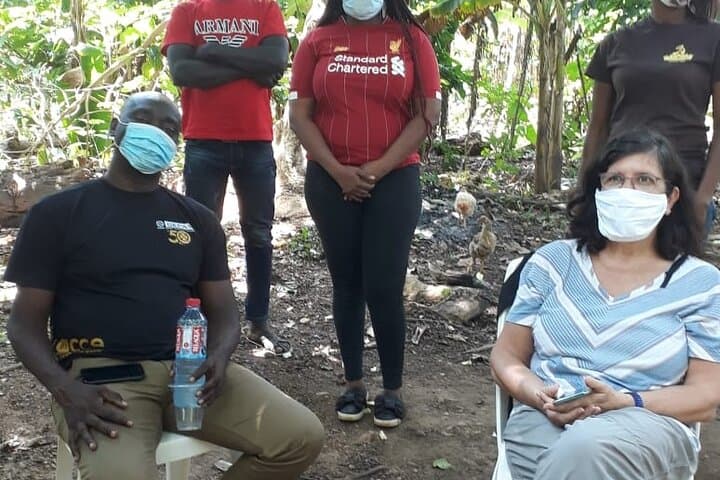
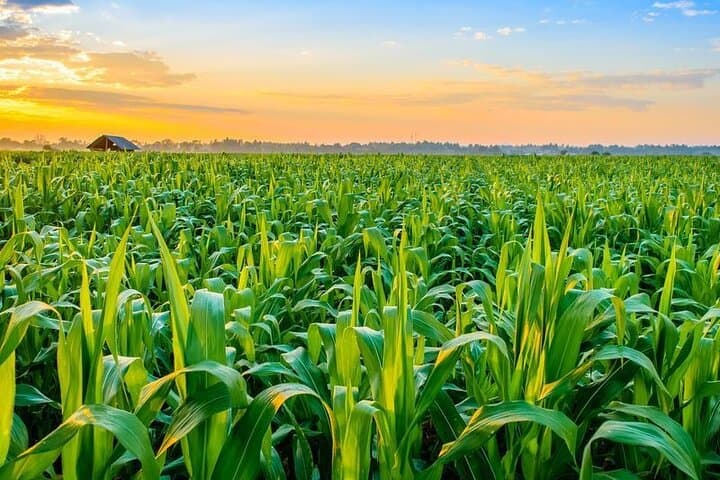
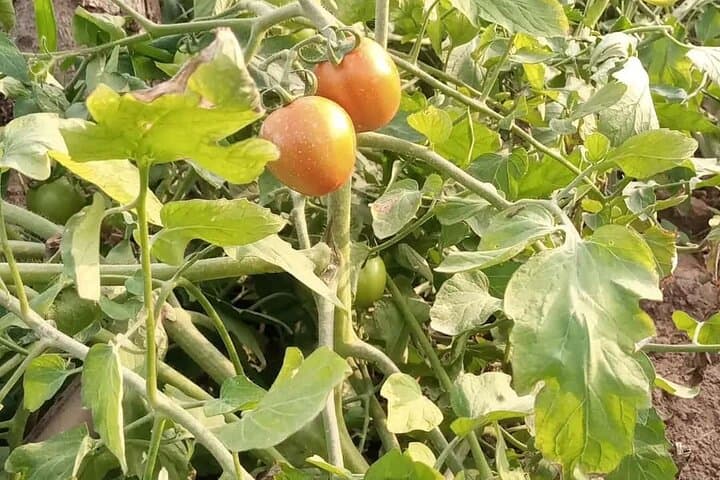
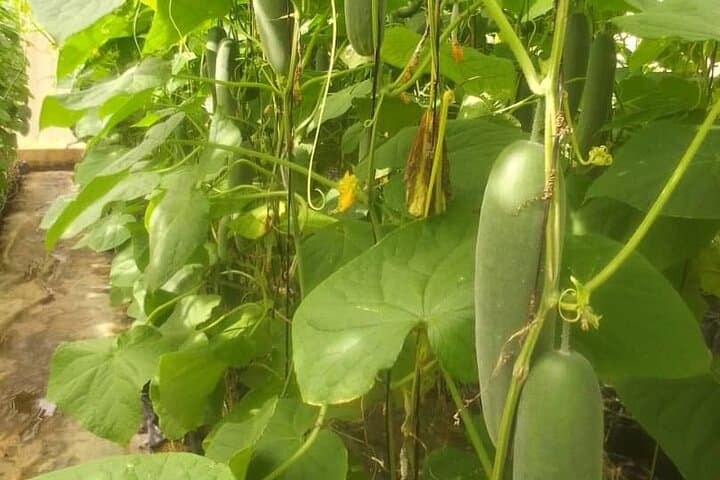
You step from an air-conditioned vehicle into a warm, dust-scented lane where cocoa trees shade narrow rows and soil still carries yesterday’s rain. The trees seem to lean in, busy with pods like small, bright lanterns—nature doing the slow, steady work of food and flavor.
You step from an air-conditioned vehicle into a warm, dust-scented lane where cocoa trees shade narrow rows and soil still carries yesterday’s rain. The trees seem to lean in, busy with pods like small, bright lanterns—nature doing the slow, steady work of food and flavor.
This full-day private tour traces the path cocoa takes from seed to table and the local farming practices that sustain it. Ghana’s cocoa industry reshaped coastal and inland communities from the late 19th century onward; today smallholder farms outside Accra keep traditional techniques alongside mechanized processing. Geologically, you’ll notice lateritic soils and gentle undulating terrain that drain well and support intercrops like plantain and cassava.
Culturally, the tour touches on communal labor, harvest rites, and how cocoa revenues influence village life. You’ll see seed nurseries, seedling intercropping, planting, harvesting and drying, and local craft uses such as soap-making from cocoa byproducts. Guides explain pest management, fermentation and drying—processes that determine bean quality.
Practical guidance: expect a mostly flat, walking-focused day of about six hours with intermittent standing. Wear closed-toe shoes and sun protection; bring refillable water and insect repellent. Lunch is included and transport is in an air-conditioned vehicle with private pickup options. The pace is gentle but involves uneven farm tracks and occasional bending for demonstrations. If you have mobility needs, confirm accessibility when booking; the operator notes wheelchair-accessible transport but some farm paths may be rough.
This tour suits curious travelers who want hands-on understanding of Ghanaian agriculture and the provenance of cocoa, pairing sensory fieldwork with straightforward, local insight.