THE ADVENTURE COLLECTIVE® · Independent discovery and booking for outdoor travel

Walk through the story of Solidarity at Gdańsk’s modern museum, where guides pair artifacts with first-hand accounts of 1980s labor strikes. This 2½-hour tour places you at the crossroads of local shipyard history and Europe's late-20th-century political shifts.
Walk through the story of Solidarity at Gdańsk’s modern museum, where guides pair artifacts with first-hand accounts of 1980s labor strikes. This 2½-hour tour places you at the crossroads of local shipyard history and Europe's late-20th-century political shifts.
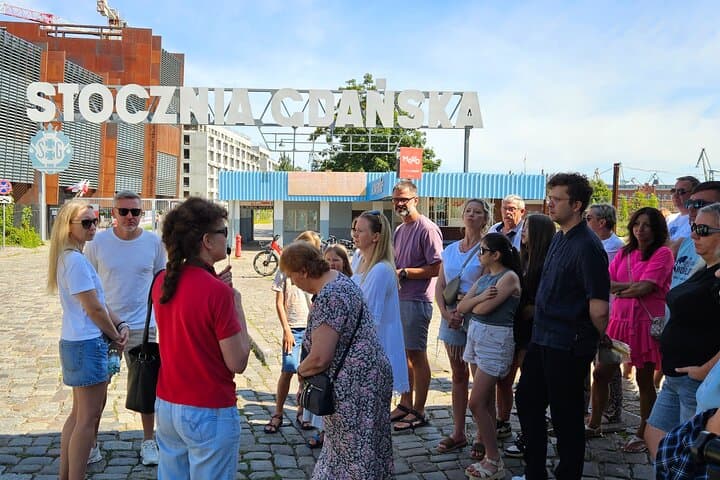
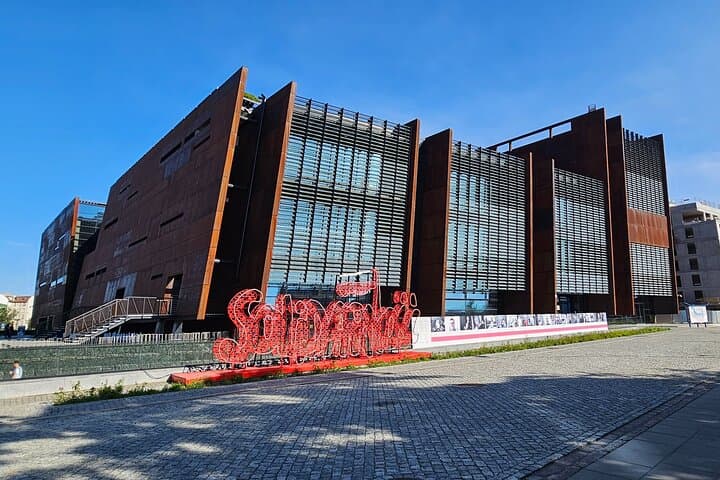
You step off the tram and the building’s glass façade catches the Baltic light—an angular pulse on the old shipyard’s flat horizon. Inside, galleries open like chapters: oral histories, strike posters, and the low hum of visitors listening as a guide threads personal stories through the wider sweep of late-20th-century Europe.
Verified experiences and guided adventures in the surrounding area.
Operated by todo.travel · Gdańsk, Pomeranian Voivodeship
You step off the tram and the building’s glass façade catches the Baltic light—an angular pulse on the old shipyard’s flat horizon. Inside, galleries open like chapters: oral histories, strike posters, and the low hum of visitors listening as a guide threads personal stories through the wider sweep of late-20th-century Europe.
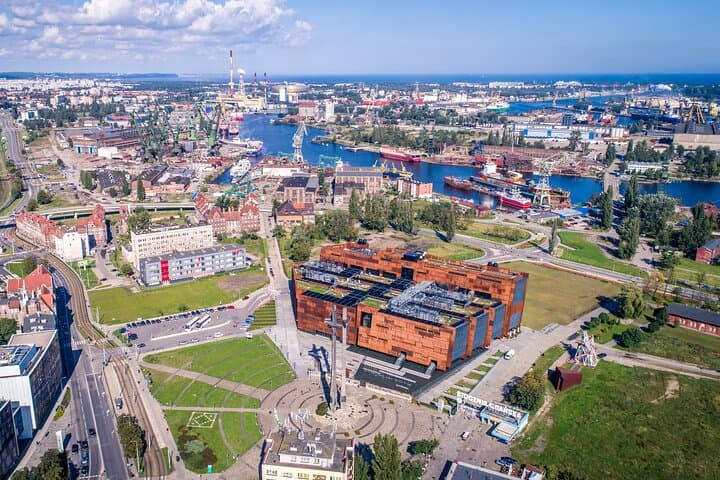
The European Solidarity Centre occupies space once dominated by cranes and workshops where, in 1980, shipyard workers coalesced into the Solidarity movement. That struggle reshaped Poland and nudged at the walls of the Eastern Bloc; the museum organizes artifacts and testimony around that civic energy. Geologically, Gdańsk sits on post-glacial plains and river channels where shipbuilding thrived—flat land that produced ports, protests, and a dense urban maritime culture still evident in nearby quays and warehouses.
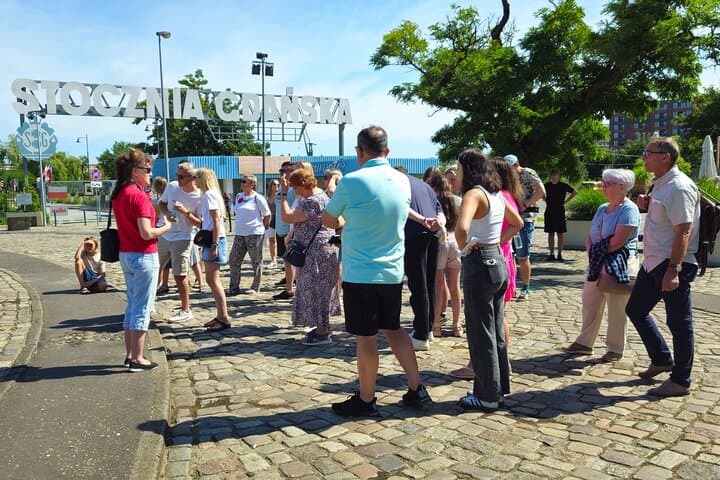
Expect a focused, 2½-hour visit: a guided walk through exhibits, multimedia displays, and memorial spaces. Guides weave personal anecdotes with archival context, making dense political history accessible. Practical notes matter—audio components and captions are used heavily, and the building is fully accessible for visitors with mobility needs.
Plan arrival by tram or a short taxi from Gdańsk’s Old Town; allow time afterward to walk the shipyard perimeter or visit the nearby SS Sołdek museum ship. Wear comfortable shoes for gallery floors and the adjacent plaza. Photography is generally allowed but avoid flash near documents and oral-history stations. The Centre is both a museum and a living lesson: you leave having seen how local labor, global ideas, and ordinary courage transformed a city—and a continent.
easy.
2–3 hours.
Suitable for all fitness levels; involves light walking and standing during exhibits.
Yes—the European Solidarity Centre and tour routes are wheelchair accessible with elevators and accessible surfaces.
Guides commonly lead tours in Polish and English; check booking details for other language options or request special-language tours in advance.
Yes—this guided experience includes admission to the European Solidarity Centre’s permanent exhibitions as part of the booking.
The standard tour lasts about 150 minutes; private or shorter formats may be available by special arrangement with the operator.
The Solidarity movement began at the Gdańsk Shipyard in 1980 under leaders like Lech Wałęsa; it became a pivotal force in ending communist rule in Poland.
The Centre repurposes industrial space and emphasizes archival preservation—visitors are asked to follow exhibit rules to help protect fragile documents and oral histories.
todo.travel operates guided outdoor trips and adventures with an emphasis on safety, stewardship, and memorable experiences.
You step off the tram and the building’s glass façade catches the Baltic light—an angular pulse on the old shipyard’s flat horizon. Inside, galleries open like chapters: oral histories, strike posters, and the low hum of visitors listening as a guide threads personal stories through the wider sweep of late-20th-century Europe.
You step off the tram and the building’s glass façade catches the Baltic light—an angular pulse on the old shipyard’s flat horizon. Inside, galleries open like chapters: oral histories, strike posters, and the low hum of visitors listening as a guide threads personal stories through the wider sweep of late-20th-century Europe.
The European Solidarity Centre occupies space once dominated by cranes and workshops where, in 1980, shipyard workers coalesced into the Solidarity movement. That struggle reshaped Poland and nudged at the walls of the Eastern Bloc; the museum organizes artifacts and testimony around that civic energy. Geologically, Gdańsk sits on post-glacial plains and river channels where shipbuilding thrived—flat land that produced ports, protests, and a dense urban maritime culture still evident in nearby quays and warehouses.
Expect a focused, 2½-hour visit: a guided walk through exhibits, multimedia displays, and memorial spaces. Guides weave personal anecdotes with archival context, making dense political history accessible. Practical notes matter—audio components and captions are used heavily, and the building is fully accessible for visitors with mobility needs.
Plan arrival by tram or a short taxi from Gdańsk’s Old Town; allow time afterward to walk the shipyard perimeter or visit the nearby SS Sołdek museum ship. Wear comfortable shoes for gallery floors and the adjacent plaza. Photography is generally allowed but avoid flash near documents and oral-history stations. The Centre is both a museum and a living lesson: you leave having seen how local labor, global ideas, and ordinary courage transformed a city—and a continent.