THE ADVENTURE COLLECTIVE® · Independent discovery and booking for outdoor travel

Walk through Frida Kahlo’s preserved rooms and the surrounding streets of Coyoacán on a guided private tour that blends biography, art, and local color. Practical tips cover timing, accessibility, and what to bring for a comfortable visit.
Walk through Frida Kahlo’s preserved rooms and the surrounding streets of Coyoacán on a guided private tour that blends biography, art, and local color. Practical tips cover timing, accessibility, and what to bring for a comfortable visit.
You step through a cobalt gate and the city noise softens—tiles, painted walls, and the scent of potted plants frame a courtyard that once shaped Frida Kahlo’s days. The Blue House keeps a deliberate intimacy: paint-worn doors, a wheelchair-accessible layout, and rooms arranged as fragments of a life lived publicly and privately.
Verified experiences and guided adventures in the surrounding area.
Operated by Y&D Travel · Mexico City, Mexico City
You step through a cobalt gate and the city noise softens—tiles, painted walls, and the scent of potted plants frame a courtyard that once shaped Frida Kahlo’s days. The Blue House keeps a deliberate intimacy: paint-worn doors, a wheelchair-accessible layout, and rooms arranged as fragments of a life lived publicly and privately.
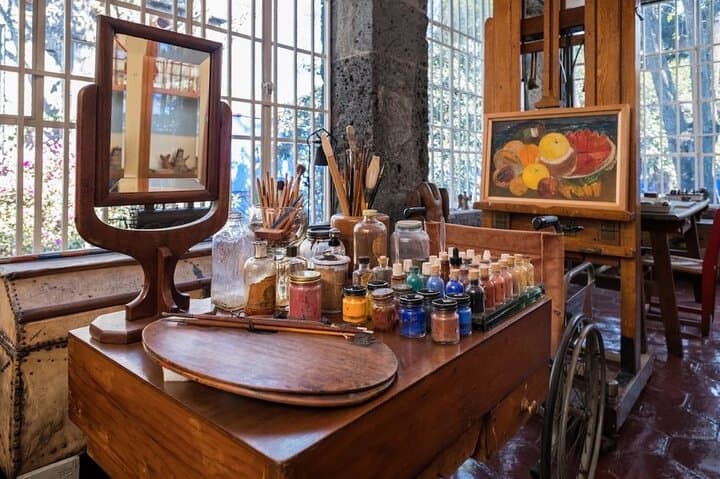
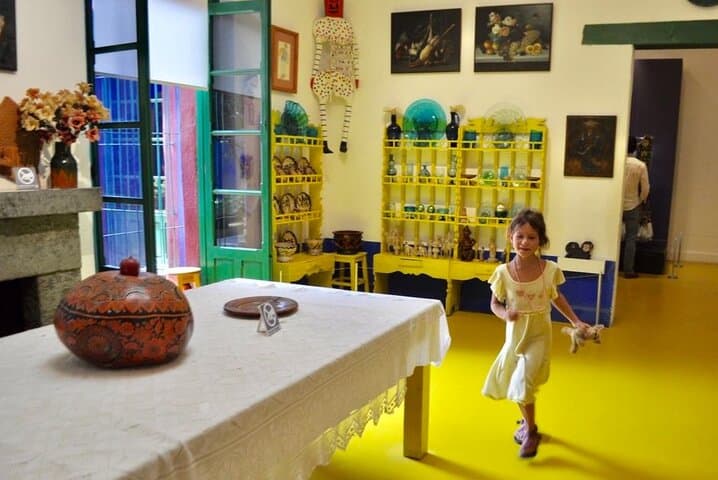
The museum occupies the artist’s former family home in Coyoacán, a neighborhood whose plazas and colonial streets reflect centuries of Mexico City history. Diego Rivera later established the house as a museum; displays preserve Frida’s easel, personal effects, and original murals that speak to post-revolutionary Mexican identity. Geology here matters in subtle ways—clay tile roofs, volcanic stone fountains, and the compact, walkable streets formed atop the Mexico Basin.
Culturally, the site connects art, politics, and personal narrative: expect frank biographical details alongside painted self-portraits and folk objects. Nearby, Plaza Hidalgo and the Anahuacalli Museum extend the story of Rivera and the region’s pre-Hispanic collections.
Practical guidance: the private tour runs roughly six hours including neighborhood stops—carry a small daypack, wear supportive shoes for cobbled streets, and plan for afternoon rain during the summer months. Photography is often restricted inside galleries; follow staff guidance to protect fragile textiles and pigments. Accessibility is strong across main rooms, but some historic staircases remain; the tour operator notes wheelchair-accessible options. For a fuller day, combine the visit with a walk through Coyoacán’s mercados and a pause in Jardín Centenario to feel the neighborhood’s pulse.
easy.
6 hours.
Suitable for most travelers; involves short walks and standing during exhibits
The listed duration is about six hours and typically includes time inside the Frida Kahlo Museum plus neighborhood stops in Coyoacán.
Main areas are wheelchair-accessible and the tour operator notes accessible transportation options; some historic staircases remain in secondary spaces.
Photography policies vary by room—flash and tripod use are generally restricted to protect artworks, so follow the museum staff’s guidance.
Yes—Plaza Hidalgo, Jardín Centenario, the Anahuacalli Museum, and local markets are close by and complement the Frida Kahlo experience.
Frida Kahlo lived much of her life at the Blue House; after her death Diego Rivera helped convert it into a museum to preserve her rooms and works for public viewing.
The museum maintains strict preservation rules—avoid touching objects, follow signage, and support conservation by adhering to photography and access guidelines.
Y&D Travel operates guided outdoor trips and adventures with an emphasis on safety, stewardship, and memorable experiences.
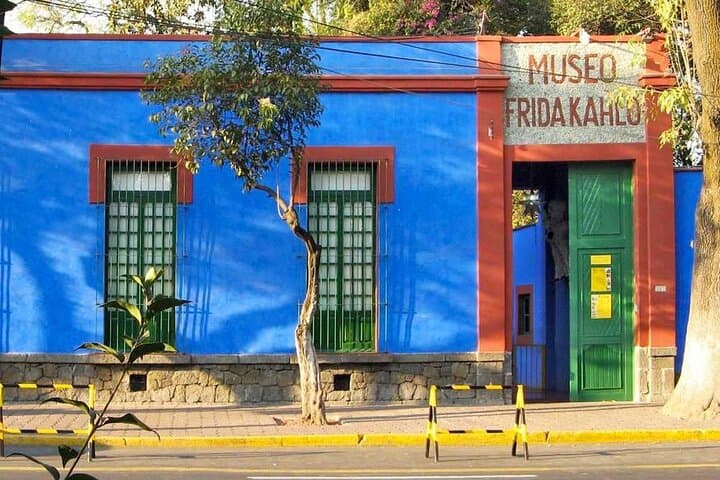
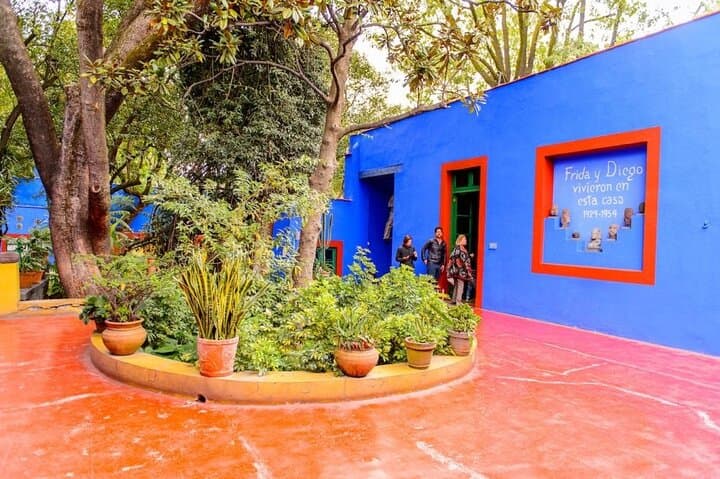
You step through a cobalt gate and the city noise softens—tiles, painted walls, and the scent of potted plants frame a courtyard that once shaped Frida Kahlo’s days. The Blue House keeps a deliberate intimacy: paint-worn doors, a wheelchair-accessible layout, and rooms arranged as fragments of a life lived publicly and privately.
You step through a cobalt gate and the city noise softens—tiles, painted walls, and the scent of potted plants frame a courtyard that once shaped Frida Kahlo’s days. The Blue House keeps a deliberate intimacy: paint-worn doors, a wheelchair-accessible layout, and rooms arranged as fragments of a life lived publicly and privately.
The museum occupies the artist’s former family home in Coyoacán, a neighborhood whose plazas and colonial streets reflect centuries of Mexico City history. Diego Rivera later established the house as a museum; displays preserve Frida’s easel, personal effects, and original murals that speak to post-revolutionary Mexican identity. Geology here matters in subtle ways—clay tile roofs, volcanic stone fountains, and the compact, walkable streets formed atop the Mexico Basin.
Culturally, the site connects art, politics, and personal narrative: expect frank biographical details alongside painted self-portraits and folk objects. Nearby, Plaza Hidalgo and the Anahuacalli Museum extend the story of Rivera and the region’s pre-Hispanic collections.
Practical guidance: the private tour runs roughly six hours including neighborhood stops—carry a small daypack, wear supportive shoes for cobbled streets, and plan for afternoon rain during the summer months. Photography is often restricted inside galleries; follow staff guidance to protect fragile textiles and pigments. Accessibility is strong across main rooms, but some historic staircases remain; the tour operator notes wheelchair-accessible options. For a fuller day, combine the visit with a walk through Coyoacán’s mercados and a pause in Jardín Centenario to feel the neighborhood’s pulse.