THE ADVENTURE COLLECTIVE® · Independent discovery and booking for outdoor travel

Explore Sigmund Freud’s Vienna at your own pace with a phone-based mystery walk that blends history, architecture, and psychoanalytic lore. This self-guided route centers on Berggasse 19 and winds through Alsergrund’s café-lined streets.
Explore Sigmund Freud’s Vienna at your own pace with a phone-based mystery walk that blends history, architecture, and psychoanalytic lore. This self-guided route centers on Berggasse 19 and winds through Alsergrund’s café-lined streets.
A crisp morning in Vienna’s Alsergrund feels like stepping into a clinical sketch—stone facades, narrow streets, and the faint aroma of espresso. The walk threads past Berggasse 19, Freud’s former consulting rooms, and through neighborhoods that shaped turn-of-the-century Vienna: wrought-iron balconies, municipal baths, and the compact geometry of the Ringstraße.
Verified experiences and guided adventures in the surrounding area.
Operated by Questo · Vienna, Vienna
A crisp morning in Vienna’s Alsergrund feels like stepping into a clinical sketch—stone facades, narrow streets, and the faint aroma of espresso. The walk threads past Berggasse 19, Freud’s former consulting rooms, and through neighborhoods that shaped turn-of-the-century Vienna: wrought-iron balconies, municipal baths, and the compact geometry of the Ringstraße.
This self-guided mystery walk layers psychoanalytic history over urban fabric. Freud’s theories originated here amid rapid industrial growth, rising bourgeois culture, and medical advances; his apartment at Berggasse is now a museum preserving his study and the stories of his patients. Geologically the city sits on the Vienna Basin, flat and walkable, shaped by the Danube’s flow and human infrastructure rather than steep elevation—so expect paved streets and tram tracks rather than mountain trails.
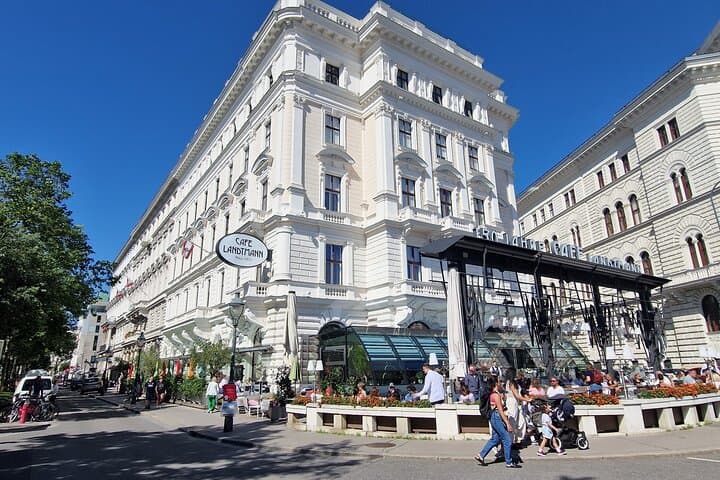
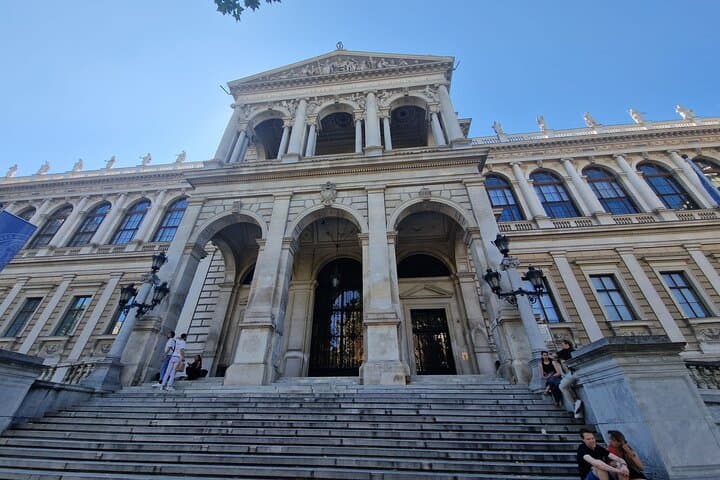
Culturally the route passes coffeehouses where ideas were argued into being, and side streets that still hum with artisan shops and university life. Local insight: the game uses the Questo app to reveal clues at precise addresses, so the experience alternates between active problem-solving and historical stops.
Practically: the route lasts roughly 1 hour 50 minutes but can be paused; it’s stroller- and transit-friendly with many cafes and public restrooms. Wear comfortable shoes, carry a charged phone and a small charger, and plan to start early to avoid midday crowds. Public transport (U2 to Schottentor) reaches the area; the walk is primarily flat and suitable for most fitness levels.
easy.
1.5–2 hours.
Suitable for most fitness levels; mostly flat walking on paved city streets with occasional steps.
No—this is a mobile-first experience. After booking you’ll receive instructions to access the game via the Questo app; the tour is designed as a single-user mobile ticket.
Much of the walk is on flat, paved streets and suitable for strollers; some older sidewalks and doorways may have steps—check individual stops if you need full wheelchair access.
Yes—the self-guided format lets you start, take breaks, and continue at your own pace; progress is stored within the app session.
Languages vary by provider; check the booking details or confirmation email for available languages and localizations.
Sigmund Freud developed many core ideas while practicing in Vienna; his Berggasse apartment became the Freud Museum after his 1938 emigration to London.
The route traverses historic streets and preserved interiors—respect signage, avoid touching exhibits, and support local conservation by choosing public transit and local businesses.
Questo operates guided outdoor trips and adventures with an emphasis on safety, stewardship, and memorable experiences.
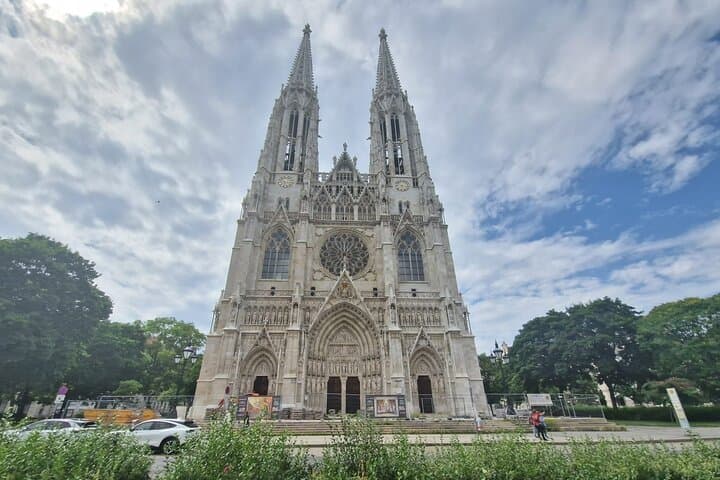
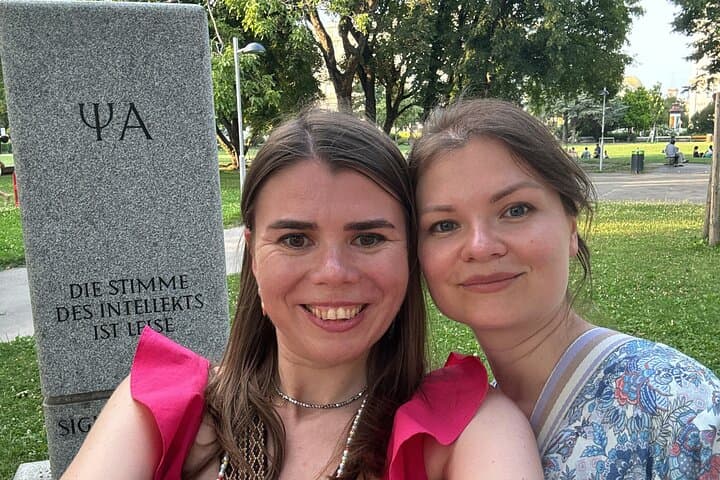
A crisp morning in Vienna’s Alsergrund feels like stepping into a clinical sketch—stone facades, narrow streets, and the faint aroma of espresso. The walk threads past Berggasse 19, Freud’s former consulting rooms, and through neighborhoods that shaped turn-of-the-century Vienna: wrought-iron balconies, municipal baths, and the compact geometry of the Ringstraße.
A crisp morning in Vienna’s Alsergrund feels like stepping into a clinical sketch—stone facades, narrow streets, and the faint aroma of espresso. The walk threads past Berggasse 19, Freud’s former consulting rooms, and through neighborhoods that shaped turn-of-the-century Vienna: wrought-iron balconies, municipal baths, and the compact geometry of the Ringstraße.
This self-guided mystery walk layers psychoanalytic history over urban fabric. Freud’s theories originated here amid rapid industrial growth, rising bourgeois culture, and medical advances; his apartment at Berggasse is now a museum preserving his study and the stories of his patients. Geologically the city sits on the Vienna Basin, flat and walkable, shaped by the Danube’s flow and human infrastructure rather than steep elevation—so expect paved streets and tram tracks rather than mountain trails.
Culturally the route passes coffeehouses where ideas were argued into being, and side streets that still hum with artisan shops and university life. Local insight: the game uses the Questo app to reveal clues at precise addresses, so the experience alternates between active problem-solving and historical stops.
Practically: the route lasts roughly 1 hour 50 minutes but can be paused; it’s stroller- and transit-friendly with many cafes and public restrooms. Wear comfortable shoes, carry a charged phone and a small charger, and plan to start early to avoid midday crowds. Public transport (U2 to Schottentor) reaches the area; the walk is primarily flat and suitable for most fitness levels.