THE ADVENTURE COLLECTIVE® · Independent discovery and booking for outdoor travel

Step into EPIC at the CHQ building and follow twenty galleries that trace Irish emigration — why people left, how they influenced the world, and what that connection means today. Practical tips on timing, accessibility, and making the most of the visit.
Step into EPIC at the CHQ building and follow twenty galleries that trace Irish emigration — why people left, how they influenced the world, and what that connection means today. Practical tips on timing, accessibility, and making the most of the visit.
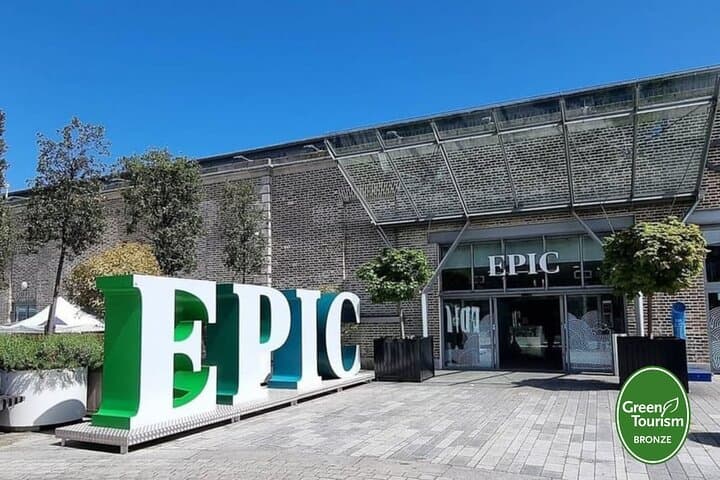
Steam from the docks has faded, but the CHQ building still hums with travel stories — a visitor steps in under a glass roof and into twenty galleries that lay out Ireland’s global reach.
Verified experiences and guided adventures in the surrounding area.
Operated by EPIC The Irish Emigration Museum · Dublin, Dublin
Steam from the docks has faded, but the CHQ building still hums with travel stories — a visitor steps in under a glass roof and into twenty galleries that lay out Ireland’s global reach.
EPIC tracks the push and pull of emigration: reasons people left, how they shaped new lands, and how their descendants stay connected to an island city on the River Liffey and Dublin Bay. Housed in a restored 19th-century bonded warehouse at Custom House Quay, the museum pairs contemporary multimedia displays with personal testimony to make large-scale history feel immediate.
Geology and geography frame the tale — Dublin’s harbor and the temperate Atlantic climate were both gateway and barrier for migrants. Culturally, the exhibits follow music, literature, innovation, and activism as export products of emigration, and the free stamped passport handed to visitors echoes the physical journeys documented inside.
Plan on 1–3 hours: most visitors complete the core galleries in about 90 minutes. EPIC offers an app-based audio guide in nine languages and skip-the-line entry; book a timed slot on busy days and arrive early to avoid tour groups. The building is fully wheelchair- and stroller-accessible and provides a souvenir passport at entry. Wear comfortable shoes for standing and interacting with exhibits, carry a portable charger for the multimedia stations, and leave time afterward to walk the quays and see modern Docklands regeneration.
Whether researching family history or scouting Dublin’s cultural itinerary, EPIC gives context and practical orientation — a museum that informs a wider city visit as much as it commemorates journeys abroad.
easy.
1–3 hours.
Suitable for most fitness levels; involves standing and walking between galleries.
Most visitors spend 60–120 minutes; allow up to 3 hours if using the full audio guide and reading detailed panels.
Yes — the museum and all galleries are wheelchair- and stroller-accessible, and staff can assist with accommodations.
Yes — tickets include timed entry and a skip-the-line benefit; booking in advance is recommended on weekends and holidays.
Yes — a free app-based audio guide is available in nine languages and the museum provides a stamped souvenir passport for visitors.
The museum occupies the CHQ building, a restored 19th-century bonded warehouse on Custom House Quay, repurposed to tell international stories of Irish emigration.
EPIC promotes responsible visitation and encourages public transport; the museum’s materials highlight cultural preservation and the importance of archiving immigrant stories.
EPIC The Irish Emigration Museum operates guided outdoor trips and adventures with an emphasis on safety, stewardship, and memorable experiences.

Steam from the docks has faded, but the CHQ building still hums with travel stories — a visitor steps in under a glass roof and into twenty galleries that lay out Ireland’s global reach.
Steam from the docks has faded, but the CHQ building still hums with travel stories — a visitor steps in under a glass roof and into twenty galleries that lay out Ireland’s global reach.
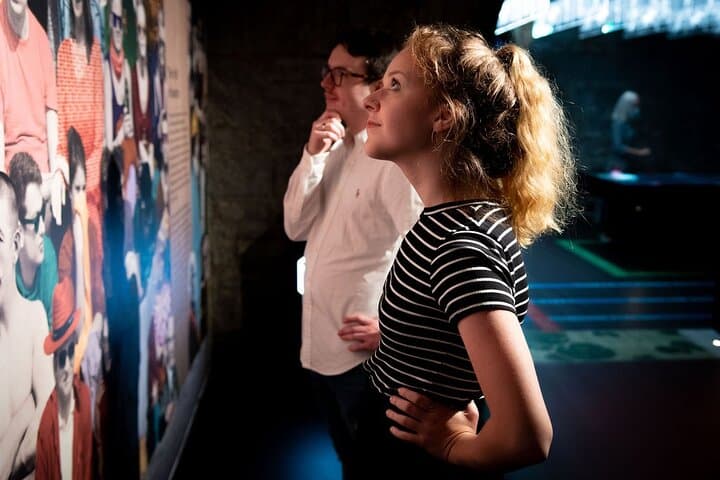
EPIC tracks the push and pull of emigration: reasons people left, how they shaped new lands, and how their descendants stay connected to an island city on the River Liffey and Dublin Bay. Housed in a restored 19th-century bonded warehouse at Custom House Quay, the museum pairs contemporary multimedia displays with personal testimony to make large-scale history feel immediate.
Geology and geography frame the tale — Dublin’s harbor and the temperate Atlantic climate were both gateway and barrier for migrants. Culturally, the exhibits follow music, literature, innovation, and activism as export products of emigration, and the free stamped passport handed to visitors echoes the physical journeys documented inside.
Plan on 1–3 hours: most visitors complete the core galleries in about 90 minutes. EPIC offers an app-based audio guide in nine languages and skip-the-line entry; book a timed slot on busy days and arrive early to avoid tour groups. The building is fully wheelchair- and stroller-accessible and provides a souvenir passport at entry. Wear comfortable shoes for standing and interacting with exhibits, carry a portable charger for the multimedia stations, and leave time afterward to walk the quays and see modern Docklands regeneration.
Whether researching family history or scouting Dublin’s cultural itinerary, EPIC gives context and practical orientation — a museum that informs a wider city visit as much as it commemorates journeys abroad.