THE ADVENTURE COLLECTIVE® · Independent discovery and booking for outdoor travel

Explore the ruined nave and carved tombstones of Elgin Cathedral on a guided 1–2 hour interior tour. Learn medieval stories, masonry secrets and local history while walking accessible paths through one of Scotland’s most dramatic ecclesiastical ruins.
Explore the ruined nave and carved tombstones of Elgin Cathedral on a guided 1–2 hour interior tour. Learn medieval stories, masonry secrets and local history while walking accessible paths through one of Scotland’s most dramatic ecclesiastical ruins.
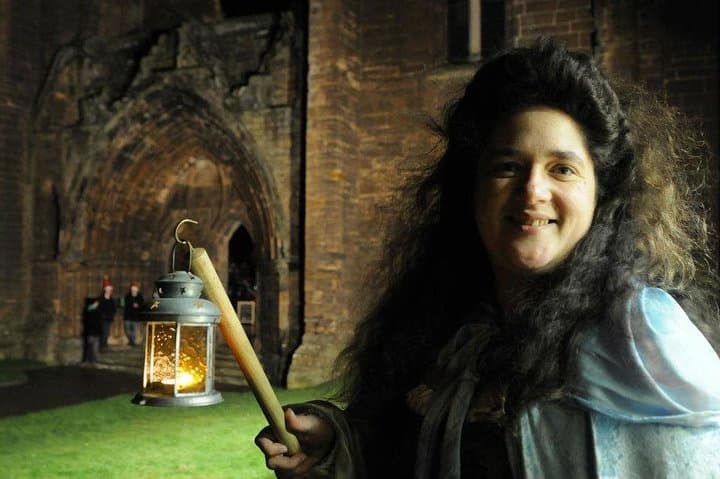
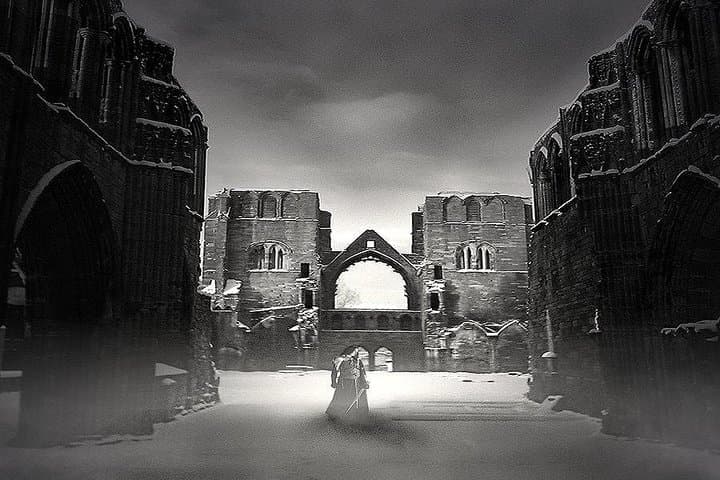
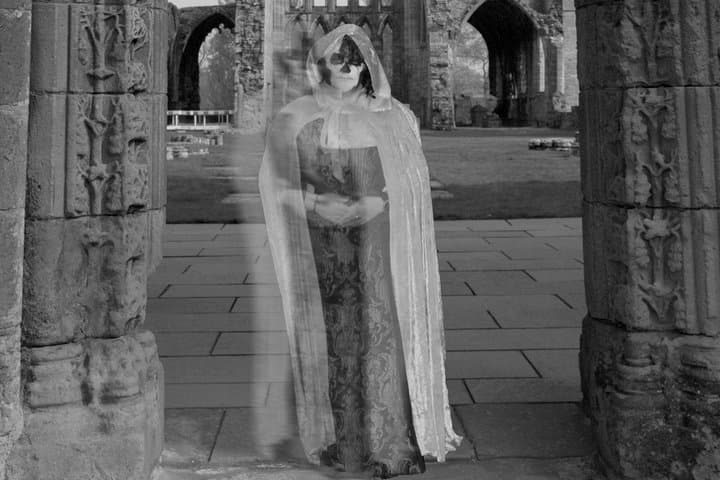
You step through a low arched doorway into a wind that pushes past the ruined nave, carrying the sound of distant farm traffic and the faint scrape of gulls. Stone piers rise like weathered columns; sunlight slices through missing tracery and paints the flagstones in sharp bars. The guide—sometimes in period costume—traces a line of history across the carved capitals and broken tombs.
Verified experiences and guided adventures in the surrounding area.
Operated by Elgin Ghost Tours · Elgin, Moray
You step through a low arched doorway into a wind that pushes past the ruined nave, carrying the sound of distant farm traffic and the faint scrape of gulls. Stone piers rise like weathered columns; sunlight slices through missing tracery and paints the flagstones in sharp bars. The guide—sometimes in period costume—traces a line of history across the carved capitals and broken tombs.
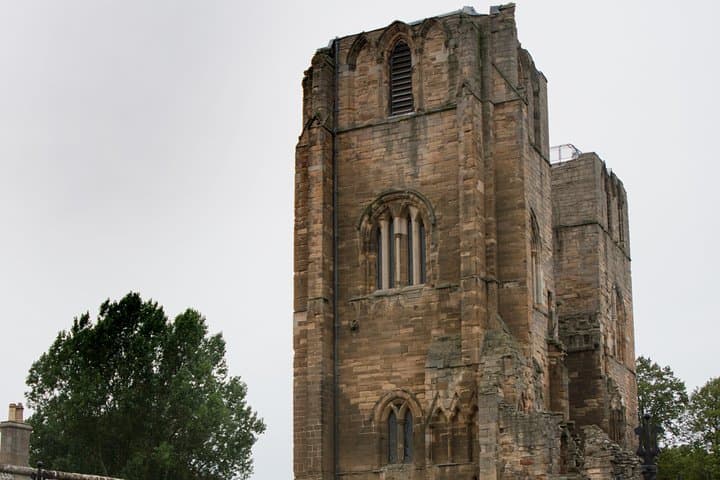
Elgin Cathedral, once called the "Lantern of the North," rose to prominence in the 13th century and suffered decline after the Reformation and repeated fires. The site sits on Old Red Sandstone beds; erosion and past quarrying shaped the cathedral’s jagged silhouette and the carved grave slabs scattered around the precinct. Local culture still orients around this ruined heart: parish records, the Elgin Stones display, and the story of Marjory Gilzean are part of town memory.
The tour blends archaeology and anecdote—learn how masonry was reused, why some gravestones stand taller than others, and where the medieval cloister once ran. The guide explains iconography on damaged stone and points out one of Europe’s tallest gravestones tucked among low grass.
Practical guidance: allow 60–120 minutes, wear sturdy shoes—the ground can be uneven—and bring a waterproof layer for Scottish weather. Photography is usually permitted; keep to paths and avoid climbing the ruins. The site is wheelchair accessible in many areas, but some uneven surfaces remain. Visit in the morning for softer light and fewer crowds, and pair the tour with the nearby Elgin Museum to extend the historical context.
easy.
1–2 hours.
Suitable for most fitness levels; requires short, mostly flat walks and standing during interpretation.
Tours run approximately 60–120 minutes depending on group size and whether you explore additional displays.
Many areas are wheelchair accessible and the tour notes list accessibility; some uneven outdoor surfaces remain.
Photography is generally allowed—respect any restrictions the guide mentions near fragile carvings.
Advance booking is recommended during high season; the activity offers instant confirmation and free cancellation up to 24 hours before.
Founded in the 13th century and long called the "Lantern of the North," Elgin Cathedral rose to regional prominence before damage from fires and the Reformation left much in ruin.
Historic Environment Scotland oversees conservation; visitors are asked to stay on paths and avoid touching fragile masonry to reduce wear.
Elgin Ghost Tours operates guided outdoor trips and adventures with an emphasis on safety, stewardship, and memorable experiences.
You step through a low arched doorway into a wind that pushes past the ruined nave, carrying the sound of distant farm traffic and the faint scrape of gulls. Stone piers rise like weathered columns; sunlight slices through missing tracery and paints the flagstones in sharp bars. The guide—sometimes in period costume—traces a line of history across the carved capitals and broken tombs.
You step through a low arched doorway into a wind that pushes past the ruined nave, carrying the sound of distant farm traffic and the faint scrape of gulls. Stone piers rise like weathered columns; sunlight slices through missing tracery and paints the flagstones in sharp bars. The guide—sometimes in period costume—traces a line of history across the carved capitals and broken tombs.
Elgin Cathedral, once called the "Lantern of the North," rose to prominence in the 13th century and suffered decline after the Reformation and repeated fires. The site sits on Old Red Sandstone beds; erosion and past quarrying shaped the cathedral’s jagged silhouette and the carved grave slabs scattered around the precinct. Local culture still orients around this ruined heart: parish records, the Elgin Stones display, and the story of Marjory Gilzean are part of town memory.
The tour blends archaeology and anecdote—learn how masonry was reused, why some gravestones stand taller than others, and where the medieval cloister once ran. The guide explains iconography on damaged stone and points out one of Europe’s tallest gravestones tucked among low grass.
Practical guidance: allow 60–120 minutes, wear sturdy shoes—the ground can be uneven—and bring a waterproof layer for Scottish weather. Photography is usually permitted; keep to paths and avoid climbing the ruins. The site is wheelchair accessible in many areas, but some uneven surfaces remain. Visit in the morning for softer light and fewer crowds, and pair the tour with the nearby Elgin Museum to extend the historical context.