THE ADVENTURE COLLECTIVE® · Independent discovery and booking for outdoor travel

Walk among Egypt’s first monumental experiments in stone—from the Bent Pyramid’s awkward angle to the Step Pyramid’s revolutionary form. This half‑day private tour moves through Dahshur, Memphis and Saqqara with guided access and practical advice for tackling heat, stairs and tight tomb interiors.
Walk among Egypt’s first monumental experiments in stone—from the Bent Pyramid’s awkward angle to the Step Pyramid’s revolutionary form. This half‑day private tour moves through Dahshur, Memphis and Saqqara with guided access and practical advice for tackling heat, stairs and tight tomb interiors.
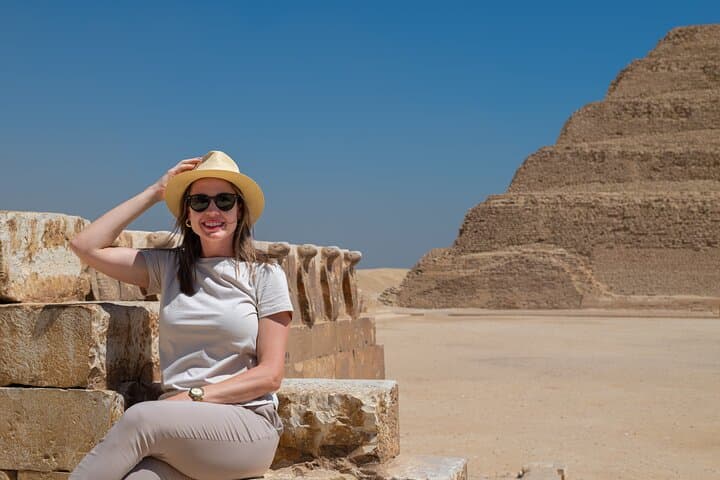
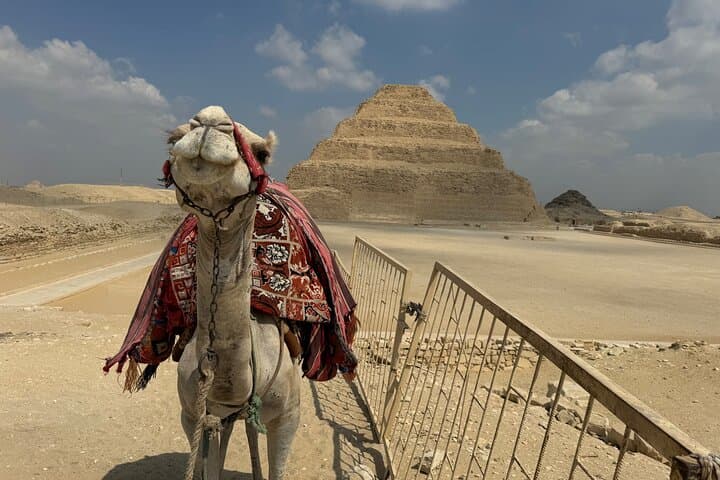
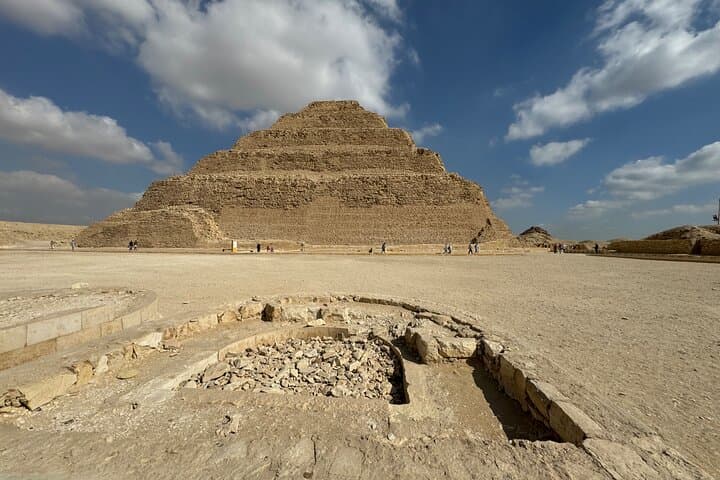
The sun lifts the desert into hard gold as you step from an air‑conditioned van onto the low, ochre plains south of Cairo. Wind shapes the sand into quick ridgelines; the Bent Pyramid juts nearby with an awkward, human tilt, while the stepped silhouette of Djoser's tomb waits at Saqqara like an architectural experiment made stone.
Verified experiences and guided adventures in the surrounding area.
Operated by Egypt Discovery Tours · Saqqara, Giza Governorate
The sun lifts the desert into hard gold as you step from an air‑conditioned van onto the low, ochre plains south of Cairo. Wind shapes the sand into quick ridgelines; the Bent Pyramid juts nearby with an awkward, human tilt, while the stepped silhouette of Djoser's tomb waits at Saqqara like an architectural experiment made stone.
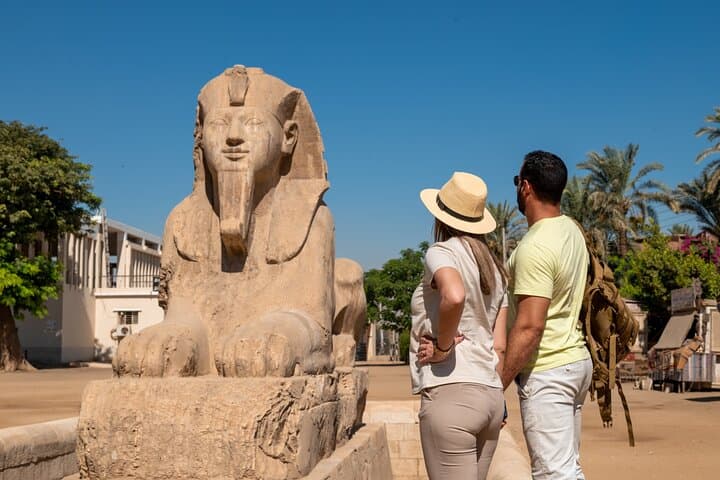
These three sites map the spine of early pharaonic power. Dahshur showcases Sneferu’s experimentation—the Bent Pyramid and the first true smooth‑sided Red Pyramid—evidence of a rapid evolution in engineering. Memphis, Egypt’s first capital, gives scale: a colossal Ramses II and an alabaster sphinx left where they fell, open to the sun. Saqqara is where stone moved from mastaba to monument; the Step Pyramid of Djoser and Unas’s carved funerary texts mark the move to inscribed, enduring memory. Geology here is simple—limestone beds and wind‑packed sand—but its fragility is clear in eroded reliefs and sun‑bleached blocks.
On a practical note expect uneven stone floors, low tomb passages and stairs in dim light; photography rules and occasional restricted access inside pyramids apply. Tours typically run 3–4 hours and include private transfers, bottled water and a guide; start early to avoid heat and crowds. Wear sturdy walking shoes, sun protection and light layers for windy afternoons. Bring small cash for onsite vendors and be prepared to crouch into cramped chambers if you want interior views. Respect ropes and no‑touch rules—these surfaces are thousands of years old and need you to leave them as you found them.
easy.
3–4 hours.
Suitable for most fitness levels; requires basic mobility for stairs and short walks across uneven ground.
Some booking options include entrance fees; confirm the chosen package—if not included you’ll pay at the sites, usually in cash or card depending on the site’s desk.
Access varies by pyramid and operational rules; some sites allow entry to specific chambers but space is tight and subject to site management on the day.
Many private tours include hotel pickup and drop‑off in Cairo—verify your pickup point at booking and allow extra travel time for city traffic.
These sites have uneven terrain, steps and low tomb passages; full wheelchair access is limited, though some outdoor museum areas at Memphis are more accessible.
Saqqara holds the Step Pyramid of Djoser, the world’s first large‑scale stone structure, and Dahshur records Sneferu’s development toward the true pyramid form.
Sites are sensitive to erosion and visitor wear—avoid touching reliefs, follow marked paths and heed guide instructions to protect fragile stone and pigments.
Egypt Discovery Tours operates guided outdoor trips and adventures with an emphasis on safety, stewardship, and memorable experiences.
The sun lifts the desert into hard gold as you step from an air‑conditioned van onto the low, ochre plains south of Cairo. Wind shapes the sand into quick ridgelines; the Bent Pyramid juts nearby with an awkward, human tilt, while the stepped silhouette of Djoser's tomb waits at Saqqara like an architectural experiment made stone.
The sun lifts the desert into hard gold as you step from an air‑conditioned van onto the low, ochre plains south of Cairo. Wind shapes the sand into quick ridgelines; the Bent Pyramid juts nearby with an awkward, human tilt, while the stepped silhouette of Djoser's tomb waits at Saqqara like an architectural experiment made stone.
These three sites map the spine of early pharaonic power. Dahshur showcases Sneferu’s experimentation—the Bent Pyramid and the first true smooth‑sided Red Pyramid—evidence of a rapid evolution in engineering. Memphis, Egypt’s first capital, gives scale: a colossal Ramses II and an alabaster sphinx left where they fell, open to the sun. Saqqara is where stone moved from mastaba to monument; the Step Pyramid of Djoser and Unas’s carved funerary texts mark the move to inscribed, enduring memory. Geology here is simple—limestone beds and wind‑packed sand—but its fragility is clear in eroded reliefs and sun‑bleached blocks.
On a practical note expect uneven stone floors, low tomb passages and stairs in dim light; photography rules and occasional restricted access inside pyramids apply. Tours typically run 3–4 hours and include private transfers, bottled water and a guide; start early to avoid heat and crowds. Wear sturdy walking shoes, sun protection and light layers for windy afternoons. Bring small cash for onsite vendors and be prepared to crouch into cramped chambers if you want interior views. Respect ropes and no‑touch rules—these surfaces are thousands of years old and need you to leave them as you found them.