THE ADVENTURE COLLECTIVE® · Independent discovery and booking for outdoor travel

Move from Mumbai’s landmark waterfront to the tight lanes of Dharavi on a private sightseeing and slum tour that pairs city highlights with an inside look at one of the world’s most industrious informal economies. Expect walking through narrow alleys, artisan workshops, and a vivid urban landscape.
Move from Mumbai’s landmark waterfront to the tight lanes of Dharavi on a private sightseeing and slum tour that pairs city highlights with an inside look at one of the world’s most industrious informal economies. Expect walking through narrow alleys, artisan workshops, and a vivid urban landscape.
You step out of an air‑conditioned vehicle into a squeeze of alleys where laundry flaps like signals and small workshops hum under sheets of corrugated metal. The city tour that precedes Dharavi—Gateway of India, Taj Mahal Palace, Marine Drive—frames Mumbai’s colonial edges; then the guide leads you inward, into a dense grid of trade where narrow lanes map daily life.
Verified experiences and guided adventures in the surrounding area.
Operated by BOMBAY TO MUMBAI TOURS · Mumbai, Maharashtra
You step out of an air‑conditioned vehicle into a squeeze of alleys where laundry flaps like signals and small workshops hum under sheets of corrugated metal. The city tour that precedes Dharavi—Gateway of India, Taj Mahal Palace, Marine Drive—frames Mumbai’s colonial edges; then the guide leads you inward, into a dense grid of trade where narrow lanes map daily life.
Dharavi sits on what was once coastal marshland at the heart of Mumbai’s industrial expansion: a compact network of micro‑industry that spans pottery, leatherwork, papad making and recycling. Its economy is famously productive—widely cited at hundreds of millions in annual turnover—and its population reflects India’s religious and linguistic diversity, with temples, mosques and churches tucked between workshops.
Geology here is urban: reclaimed land, compacted fill and the constant presence of the Arabian Sea shaping drainage and the monsoon’s behavior. Culture is tactile: the exchange of goods, skill transmitted across cramped benches, and the rhythm of community that keeps the lanes moving.
Practical guidance: expect at least 1.5 hours walking in tight, sometimes uneven alleys; wear closed‑toe shoes and comfortable clothes with modest coverage (smart casual requested). Carry bottled water, small change for local purchases, and ask before photographing people or workshops. The tour works best in the morning or late afternoon to avoid peak heat and to catch artisans at work. Be prepared for crowds, follow your guide’s route, and treat the visit as an encounter with living industry rather than a spectacle—observe, ask, and support local businesses where appropriate.
moderate.
6–7 hours.
Light to moderate fitness—able to walk 1–2 miles over uneven, crowded surfaces and stand for brief periods.
Yes—when booked with a reputable private guide, the route is well‑traveled by tourists; follow the guide’s directions and avoid wandering off alone.
You can photograph many public areas and workshops, but always ask individuals and follow your guide’s advice—some places and people decline photos.
Children can participate but should be supervised in narrow alleys; infants must sit on laps per the tour policy.
Expect around 1½ hours walking inside Dharavi plus stops at city sights; total trip time is about 6–7 hours with vehicle transfers.
Dharavi grew from coastal marshland into a dense informal settlement and micro‑industrial hub during Mumbai’s rapid urbanization; it hosts a diverse mix of people and small industries.
Responsible visits support local enterprises and minimize waste; avoid handing out money indiscriminately, buy goods from workshops you visit, and follow guides’ advice to reduce disruption.
BOMBAY TO MUMBAI TOURS operates guided outdoor trips and adventures with an emphasis on safety, stewardship, and memorable experiences.
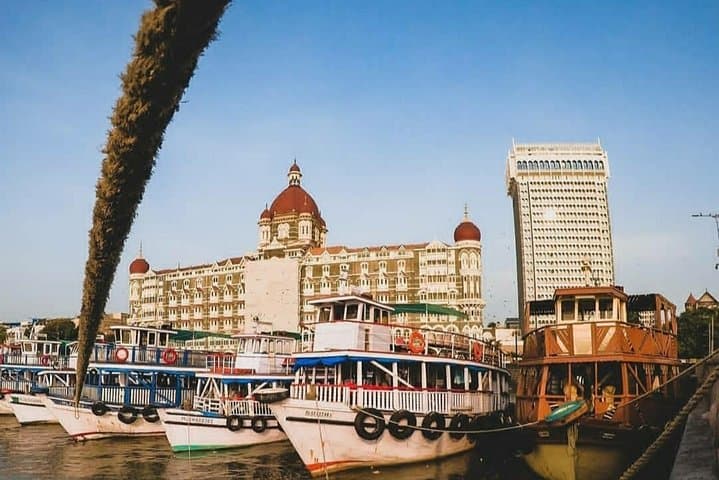
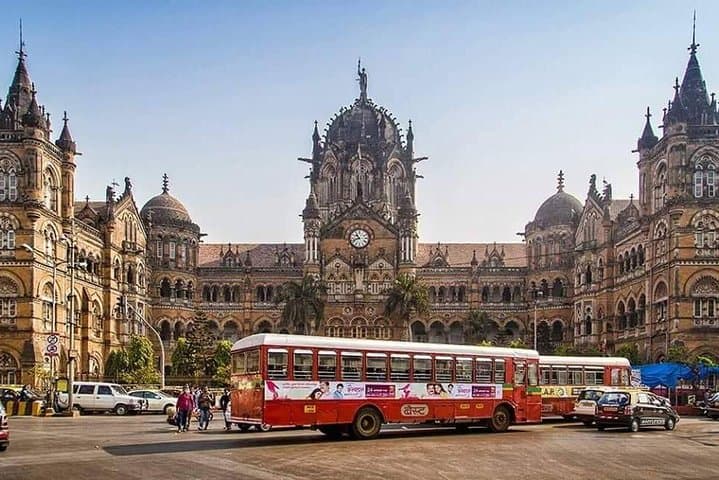
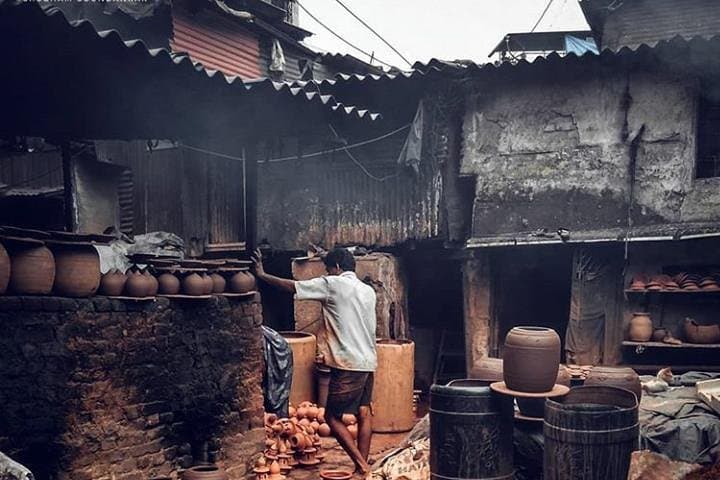
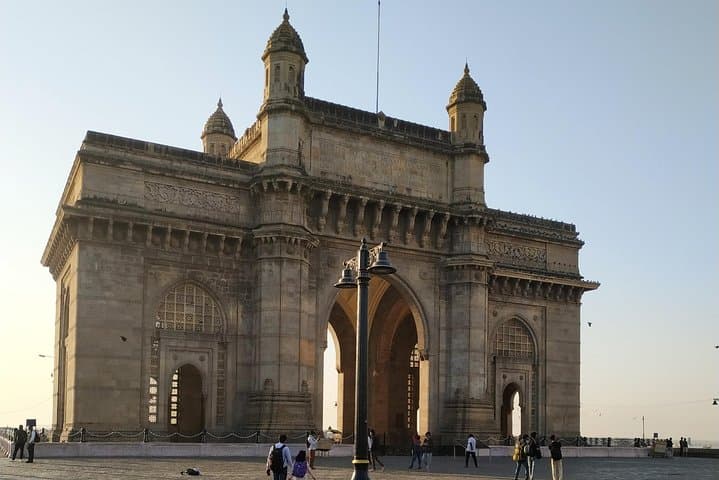
You step out of an air‑conditioned vehicle into a squeeze of alleys where laundry flaps like signals and small workshops hum under sheets of corrugated metal. The city tour that precedes Dharavi—Gateway of India, Taj Mahal Palace, Marine Drive—frames Mumbai’s colonial edges; then the guide leads you inward, into a dense grid of trade where narrow lanes map daily life.
You step out of an air‑conditioned vehicle into a squeeze of alleys where laundry flaps like signals and small workshops hum under sheets of corrugated metal. The city tour that precedes Dharavi—Gateway of India, Taj Mahal Palace, Marine Drive—frames Mumbai’s colonial edges; then the guide leads you inward, into a dense grid of trade where narrow lanes map daily life.
Dharavi sits on what was once coastal marshland at the heart of Mumbai’s industrial expansion: a compact network of micro‑industry that spans pottery, leatherwork, papad making and recycling. Its economy is famously productive—widely cited at hundreds of millions in annual turnover—and its population reflects India’s religious and linguistic diversity, with temples, mosques and churches tucked between workshops.
Geology here is urban: reclaimed land, compacted fill and the constant presence of the Arabian Sea shaping drainage and the monsoon’s behavior. Culture is tactile: the exchange of goods, skill transmitted across cramped benches, and the rhythm of community that keeps the lanes moving.
Practical guidance: expect at least 1.5 hours walking in tight, sometimes uneven alleys; wear closed‑toe shoes and comfortable clothes with modest coverage (smart casual requested). Carry bottled water, small change for local purchases, and ask before photographing people or workshops. The tour works best in the morning or late afternoon to avoid peak heat and to catch artisans at work. Be prepared for crowds, follow your guide’s route, and treat the visit as an encounter with living industry rather than a spectacle—observe, ask, and support local businesses where appropriate.