THE ADVENTURE COLLECTIVE® · Independent discovery and booking for outdoor travel

Walk Dharavi with a local guide to see living workshops, community schools and improvised architecture up close. This 2½-hour guided walk mixes cultural history, street-level industry and practical tips for respectful visiting.
Walk Dharavi with a local guide to see living workshops, community schools and improvised architecture up close. This 2½-hour guided walk mixes cultural history, street-level industry and practical tips for respectful visiting.
The alley narrows until a single shaft of light slices through corrugated steel and laundry lines. Vendors call; a kiln hisses; children cut a path between spice sacks and recycled plastic—this is Dharavi on foot, immediate and relentless, where a local guide turns everyday rhythms into an explanation of survival and skill.
Verified experiences and guided adventures in the surrounding area.
Operated by Mumbai365Tour · Mumbai, Maharashtra
The alley narrows until a single shaft of light slices through corrugated steel and laundry lines. Vendors call; a kiln hisses; children cut a path between spice sacks and recycled plastic—this is Dharavi on foot, immediate and relentless, where a local guide turns everyday rhythms into an explanation of survival and skill.
Dharavi grew as waves of migrants arrived in the late 19th and 20th centuries, converting marsh and mangrove fringe into densely packed workshops and homes. Geologically, it sits on reclaimed coastal flats beside Mahim Bay and the Mithi River, which shaped its drainage and the informal, improvised urban fabric.
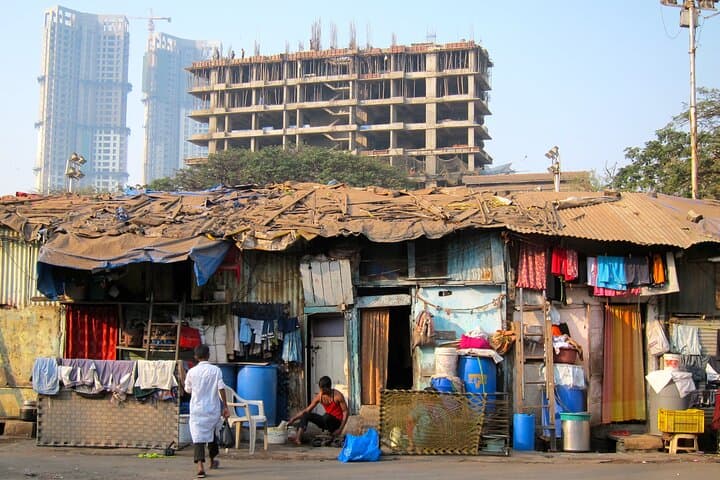
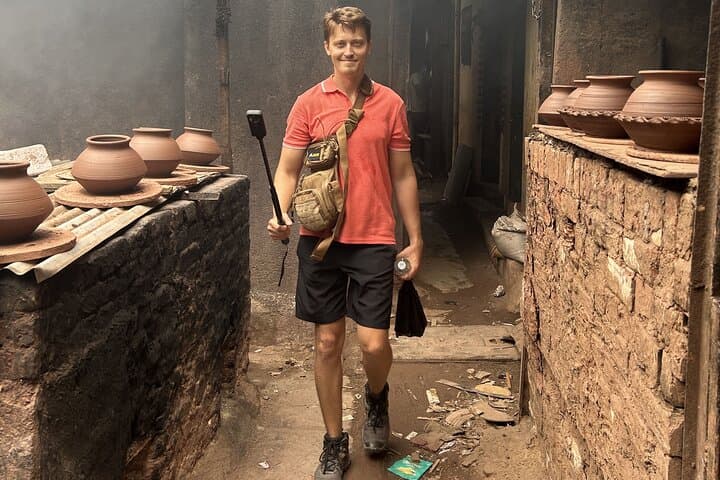
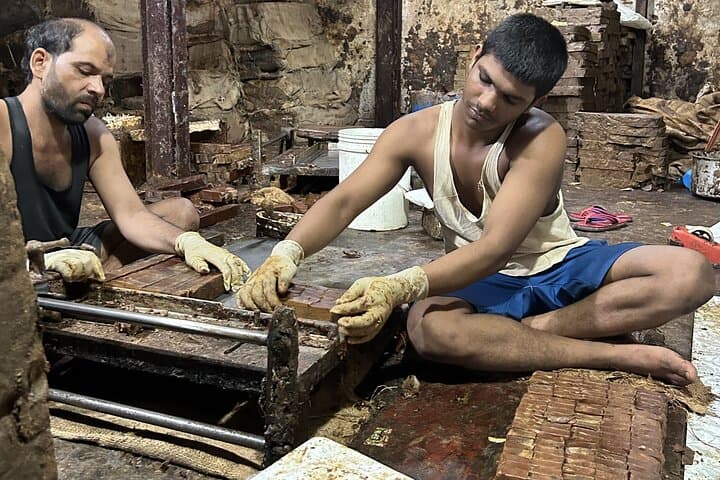
Culture here is industrious and communal: pottery yards, leather shops, recycling units and small schools form a working ecosystem. Architecture is improvised rather than planned; staircases, courtyards and narrow lanes evolve to fit people and micro-enterprises.
Practical guidance is simple. Tours run about 2½ hours and require steady footing—expect uneven alleyways, tight turns and sudden steps. A local guide opens doors to community spaces and explains livelihoods, but respect and consent are nonnegotiable: ask before photographing and avoid entering private courtyards without invitation.
Bring cash for small purchases, carry a reusable water bottle or accept the bottled water provided, and wear closed-toe shoes with good traction. Morning tours are cooler and less crowded; monsoon season can make lanes slippery. Choose an operator that offers community-based entrance and returns income to residents; ethical tours support schools, artisans and household businesses, not voyeurism.
This visit is urban, tactile and socially pointed—part walking tour, part social history lesson, and a close-up look at Mumbai’s capacity for adaptation and enterprise.
easy.
2–3 hours.
Light walking endurance; you should be comfortable navigating narrow, uneven urban lanes for 2–3 hours.
Yes—organized tours with vetted local guides are routinely run and safe during daytime; remain aware of belongings in crowded areas.
Photography is allowed but ask permission before photographing people, inside homes, or in sensitive community spaces.
No—most lanes are narrow, uneven and include steps; contact the operator in advance for alternative options or shorter, flatter sections.
Buy directly from local artisans, use community-run tours, avoid paying for photographs of people, and consider donations to listed local schools or programs.
Dharavi expanded from marsh and reclaimed coastal flats during British-era industrial growth; it became a dense hub for migrants, small industry and recycling.
Tourism impacts are minimized through community-led guides and by directing spending to local enterprises; avoid contributing to waste and follow guides’ instructions on where to visit.
Mumbai365Tour operates guided outdoor trips and adventures with an emphasis on safety, stewardship, and memorable experiences.
The alley narrows until a single shaft of light slices through corrugated steel and laundry lines. Vendors call; a kiln hisses; children cut a path between spice sacks and recycled plastic—this is Dharavi on foot, immediate and relentless, where a local guide turns everyday rhythms into an explanation of survival and skill.
The alley narrows until a single shaft of light slices through corrugated steel and laundry lines. Vendors call; a kiln hisses; children cut a path between spice sacks and recycled plastic—this is Dharavi on foot, immediate and relentless, where a local guide turns everyday rhythms into an explanation of survival and skill.
Dharavi grew as waves of migrants arrived in the late 19th and 20th centuries, converting marsh and mangrove fringe into densely packed workshops and homes. Geologically, it sits on reclaimed coastal flats beside Mahim Bay and the Mithi River, which shaped its drainage and the informal, improvised urban fabric.
Culture here is industrious and communal: pottery yards, leather shops, recycling units and small schools form a working ecosystem. Architecture is improvised rather than planned; staircases, courtyards and narrow lanes evolve to fit people and micro-enterprises.
Practical guidance is simple. Tours run about 2½ hours and require steady footing—expect uneven alleyways, tight turns and sudden steps. A local guide opens doors to community spaces and explains livelihoods, but respect and consent are nonnegotiable: ask before photographing and avoid entering private courtyards without invitation.
Bring cash for small purchases, carry a reusable water bottle or accept the bottled water provided, and wear closed-toe shoes with good traction. Morning tours are cooler and less crowded; monsoon season can make lanes slippery. Choose an operator that offers community-based entrance and returns income to residents; ethical tours support schools, artisans and household businesses, not voyeurism.
This visit is urban, tactile and socially pointed—part walking tour, part social history lesson, and a close-up look at Mumbai’s capacity for adaptation and enterprise.