THE ADVENTURE COLLECTIVE® · Independent discovery and booking for outdoor travel

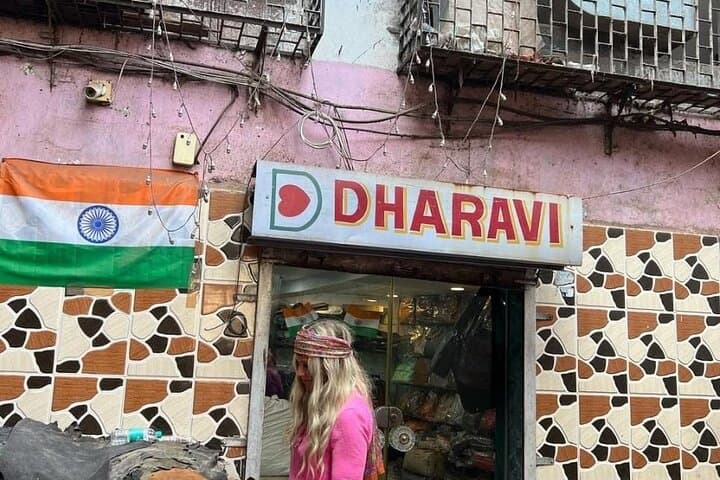
Walk Dharavi’s alleys with a local guide to see pottery lanes, recycling workshops and community life beyond the headlines. This 2–3 hour tour blends cultural insight with practical streetwise advice.
Walk Dharavi’s alleys with a local guide to see pottery lanes, recycling workshops and community life beyond the headlines. This 2–3 hour tour blends cultural insight with practical streetwise advice.
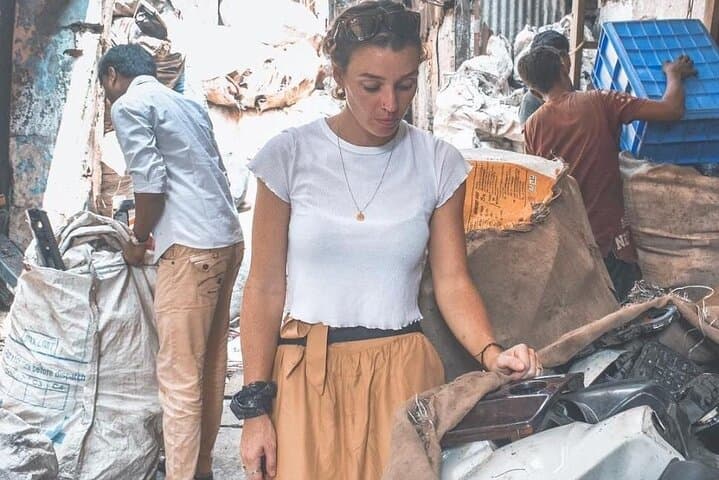
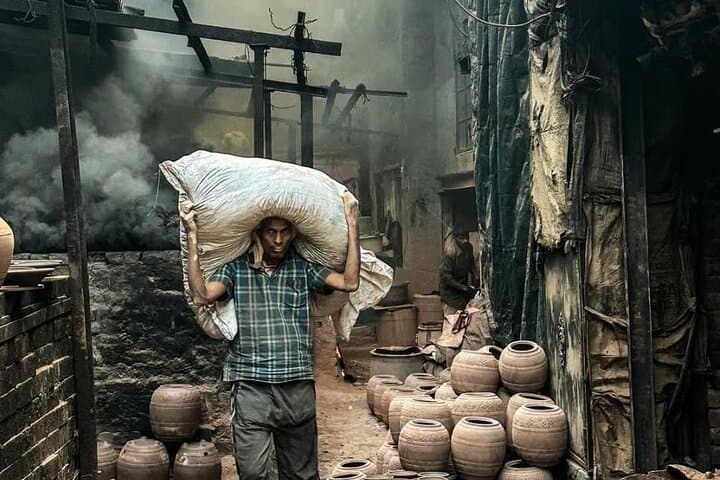
You step off the taxi and the city swallows you—the alley narrows, vendors call, and the air hums with the steady rhythm of industry. Dharavi’s lanes move like a living machine: clay-stained hands shaping pots, grinders turning old plastics into new pellets, and the metallic scent of tannery work hanging in the air.
Verified experiences and guided adventures in the surrounding area.
Operated by Z-Ocean Tours LLC · Mumbai, Maharashtra
You step off the taxi and the city swallows you—the alley narrows, vendors call, and the air hums with the steady rhythm of industry. Dharavi’s lanes move like a living machine: clay-stained hands shaping pots, grinders turning old plastics into new pellets, and the metallic scent of tannery work hanging in the air.
This pocket of Mumbai grew from reclaimed tidal flats and mangrove edges into one of Asia’s most densely populated urban villages. Its roots reach into colonial-era migration and post-independence urbanization; today Dharavi is as much an economic hub as a residential community, famed for pottery in Kumbharwada, small-scale recycling, and leather workshops. Culture here is public—temples, mosques and churches stand within minutes of one another and festivals spill into the lanes.
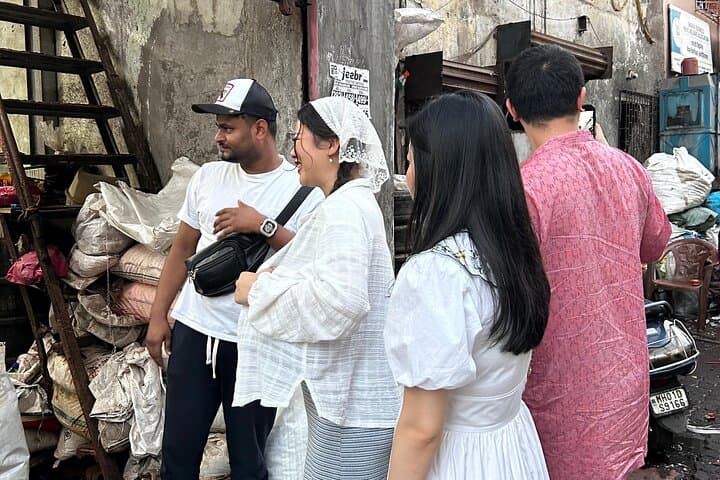
A guided walking tour moves at a human pace: you’ll cross courtyards where children play cricket, browse workshops where artisans work the same techniques for generations, and sample street food that’s boldly spiced and made to order. Guides ground the visit in stories of entrepreneurship and daily logistics, and point out film locations from Slumdog Millionaire without reducing the place to a movie set.
Practical notes: tours last about 2–3 hours, involve tight alleys and uneven surfaces, and require respectful photography etiquette. Bring small-denomination cash for purchases, wear closed-toe shoes, and expect warm, humid conditions most of the year. The walk offers an intimate, complex portrait of urban resilience—direct, sensory, and unvarnished.
easy.
2–3 hours.
Suitable for most fitness levels; requires standing and walking through narrow lanes for the tour duration.
Yes—organized group tours with a professional guide are common and generally safe; follow your guide’s advice about routes and photography.
Ask the guide first—many artisans allow photos if you request permission and sometimes accept a small tip in return.
Some operators list accessibility, but narrow lanes and thresholds can limit access; confirm with the operator before booking for your specific needs.
This tour typically allows full refunds if canceled at least 24 hours before departure; check the booking page for current terms.
Dharavi expanded during colonial and post-independence migration, evolving into a dense industrial-residential quarter known for recycling, leather and pottery industries.
The area is a major recycling hub; community-led initiatives focus on waste recovery and improving sanitation while redevelopment pressures challenge sustainable livelihoods.
Z-Ocean Tours LLC operates guided outdoor trips and adventures with an emphasis on safety, stewardship, and memorable experiences.
You step off the taxi and the city swallows you—the alley narrows, vendors call, and the air hums with the steady rhythm of industry. Dharavi’s lanes move like a living machine: clay-stained hands shaping pots, grinders turning old plastics into new pellets, and the metallic scent of tannery work hanging in the air.
You step off the taxi and the city swallows you—the alley narrows, vendors call, and the air hums with the steady rhythm of industry. Dharavi’s lanes move like a living machine: clay-stained hands shaping pots, grinders turning old plastics into new pellets, and the metallic scent of tannery work hanging in the air.
This pocket of Mumbai grew from reclaimed tidal flats and mangrove edges into one of Asia’s most densely populated urban villages. Its roots reach into colonial-era migration and post-independence urbanization; today Dharavi is as much an economic hub as a residential community, famed for pottery in Kumbharwada, small-scale recycling, and leather workshops. Culture here is public—temples, mosques and churches stand within minutes of one another and festivals spill into the lanes.
A guided walking tour moves at a human pace: you’ll cross courtyards where children play cricket, browse workshops where artisans work the same techniques for generations, and sample street food that’s boldly spiced and made to order. Guides ground the visit in stories of entrepreneurship and daily logistics, and point out film locations from Slumdog Millionaire without reducing the place to a movie set.
Practical notes: tours last about 2–3 hours, involve tight alleys and uneven surfaces, and require respectful photography etiquette. Bring small-denomination cash for purchases, wear closed-toe shoes, and expect warm, humid conditions most of the year. The walk offers an intimate, complex portrait of urban resilience—direct, sensory, and unvarnished.