THE ADVENTURE COLLECTIVE® · Independent discovery and booking for outdoor travel

Leave central Dhaka for a four-hour guided visit to shipbreaking yards where massive vessels are dismantled and repurposed. Witness the work, hear workers’ stories, and learn how ship recycling fuels local economies.
Leave central Dhaka for a four-hour guided visit to shipbreaking yards where massive vessels are dismantled and repurposed. Witness the work, hear workers’ stories, and learn how ship recycling fuels local economies.
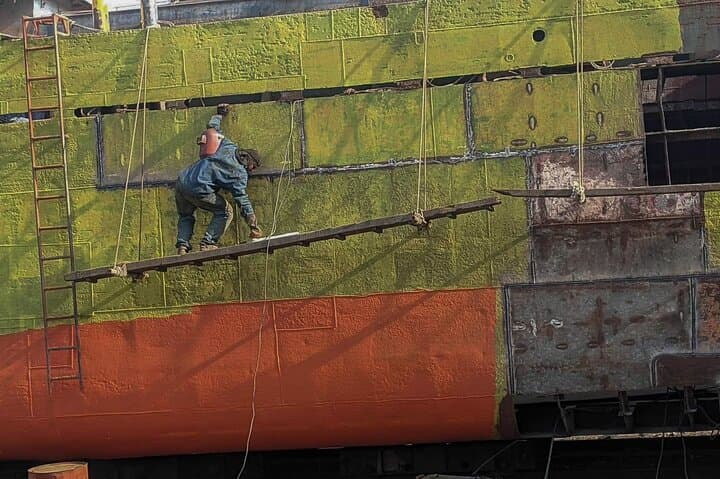
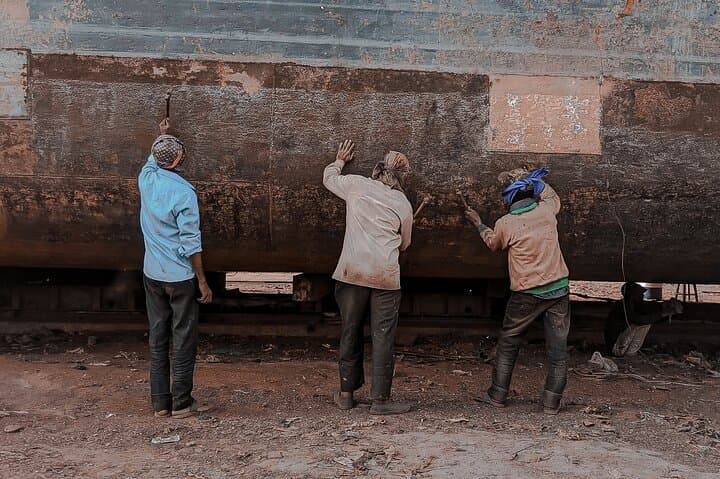
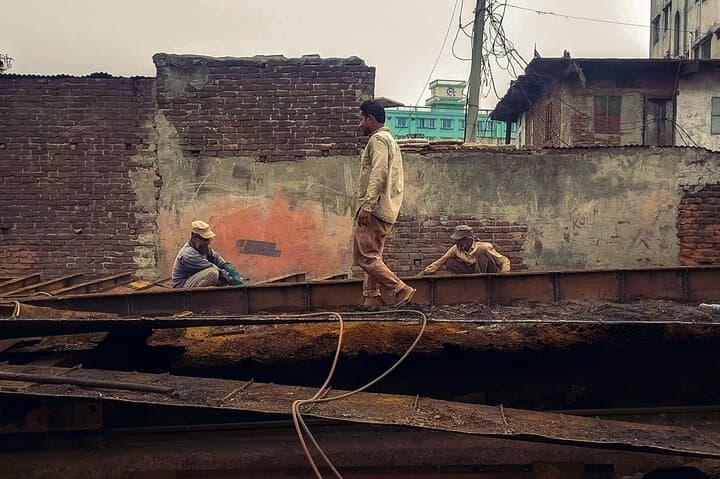
You step away from Dhaka’s clogged streets and into a different rhythm — salt air and the metallic tang of iron replace honking horns. Massive hulls recline on muddy flats, sparks fly where cutters pry plates loose, and men move with practiced, unglamorous precision. The site feels alive: the river seems to test your resolve, tides nudging the edges of work like a watchful neighbor.
Verified experiences and guided adventures in the surrounding area.
Operated by Secrets Bangladesh · Dhaka, Dhaka
You step away from Dhaka’s clogged streets and into a different rhythm — salt air and the metallic tang of iron replace honking horns. Massive hulls recline on muddy flats, sparks fly where cutters pry plates loose, and men move with practiced, unglamorous precision. The site feels alive: the river seems to test your resolve, tides nudging the edges of work like a watchful neighbor.
Shipbreaking in Bangladesh grew into a global hub in the late 20th century as demand for low-cost recycling and the beaching method converged. Geology and tides matter here — broad tidal flats and soft sediment allow large vessels to be beached for dismantling. The industry is as much social as mechanical: generations of workers and small-scale scrap traders shape local economies and neighborhoods from reclaimed steel.
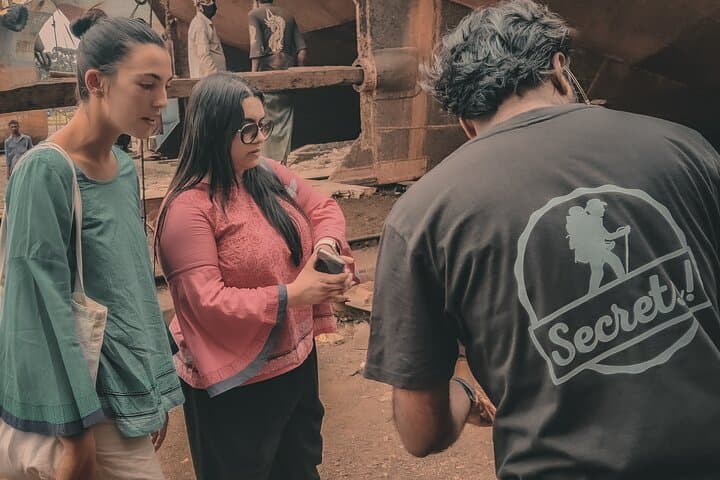
Expect close-up views of cutting, welding, and sorting operations guided by local experts who explain workflows, material reuse, and the risks workers face. Cultural context matters — conversations often touch on migration, labor rights, and how ship plates become roofs, tools, and livelihoods across Bangladesh.
Practical guidance: wear sturdy closed-toe shoes and long sleeves provided PPE over your clothes, follow your guide, and keep to designated paths — yards are active industrial sites with unpredictable hazards. Morning departures are cooler and busier; avoid monsoon high tides that can make access muddy. Photography is possible but always ask before shooting people. The tour is a compact, four-hour window into industrial recycling where each cut of steel is also a story of transformation and tenacity.
moderate.
4 hours.
Requires moderate fitness: walking on uneven ground, short climbs, and standing during site visits.
Operators provide basic safety gear and a guide; however, yards are active industrial sites so visitors must follow instructions and avoid restricted areas.
Yes, but always ask workers before photographing them and avoid shooting in areas where guides prohibit photography for safety or privacy.
Not recommended for pregnant travelers or those with significant health conditions; children should be supervised and some operators may restrict very young visitors.
Most tours include round-trip transport in air-conditioned vehicles; expect a drive out of the city followed by walking through the yard on foot.
Shipbreaking expanded in Bangladesh during the late 20th century as global shipping and dismantling economics favored beaching methods; Chittagong became the primary hub and influenced related industries nationwide.
The industry has environmental and health impacts; responsible operators limit pollution, provide PPE, and follow better waste-handling practices — choose tours that emphasize worker welfare and environmental controls.
Secrets Bangladesh operates guided outdoor trips and adventures with an emphasis on safety, stewardship, and memorable experiences.
You step away from Dhaka’s clogged streets and into a different rhythm — salt air and the metallic tang of iron replace honking horns. Massive hulls recline on muddy flats, sparks fly where cutters pry plates loose, and men move with practiced, unglamorous precision. The site feels alive: the river seems to test your resolve, tides nudging the edges of work like a watchful neighbor.
You step away from Dhaka’s clogged streets and into a different rhythm — salt air and the metallic tang of iron replace honking horns. Massive hulls recline on muddy flats, sparks fly where cutters pry plates loose, and men move with practiced, unglamorous precision. The site feels alive: the river seems to test your resolve, tides nudging the edges of work like a watchful neighbor.
Shipbreaking in Bangladesh grew into a global hub in the late 20th century as demand for low-cost recycling and the beaching method converged. Geology and tides matter here — broad tidal flats and soft sediment allow large vessels to be beached for dismantling. The industry is as much social as mechanical: generations of workers and small-scale scrap traders shape local economies and neighborhoods from reclaimed steel.
Expect close-up views of cutting, welding, and sorting operations guided by local experts who explain workflows, material reuse, and the risks workers face. Cultural context matters — conversations often touch on migration, labor rights, and how ship plates become roofs, tools, and livelihoods across Bangladesh.
Practical guidance: wear sturdy closed-toe shoes and long sleeves provided PPE over your clothes, follow your guide, and keep to designated paths — yards are active industrial sites with unpredictable hazards. Morning departures are cooler and busier; avoid monsoon high tides that can make access muddy. Photography is possible but always ask before shooting people. The tour is a compact, four-hour window into industrial recycling where each cut of steel is also a story of transformation and tenacity.