THE ADVENTURE COLLECTIVE® · Independent discovery and booking for outdoor travel

Explore Derry~Londonderry on a private full‑day tour from Belfast: walk the intact 17th‑century walls, see the Bogside murals and learn the local history of the Troubles from a professional guide. This full‑day itinerary mixes short walks with private transport and optional stops into County Donegal.
Explore Derry~Londonderry on a private full‑day tour from Belfast: walk the intact 17th‑century walls, see the Bogside murals and learn the local history of the Troubles from a professional guide. This full‑day itinerary mixes short walks with private transport and optional stops into County Donegal.
A grey morning in Belfast yields to a low sun as a private minivan eases onto the A6 and pushes northwest toward Derry~Londonderry. The River Foyle widens like an invitation, and by mid-morning visitors step from the van onto ramparts that still hold the geometry of 17th‑century defence. The walls offer a raised promenade of cannon, cobbles and views where the city’s recent past meets centuries of settlement.
Verified experiences and guided adventures in the surrounding area.
Operated by Giants Causeway Tours · Derry / Londonderry, County Londonderry
A grey morning in Belfast yields to a low sun as a private minivan eases onto the A6 and pushes northwest toward Derry~Londonderry. The River Foyle widens like an invitation, and by mid-morning visitors step from the van onto ramparts that still hold the geometry of 17th‑century defence. The walls offer a raised promenade of cannon, cobbles and views where the city’s recent past meets centuries of settlement.
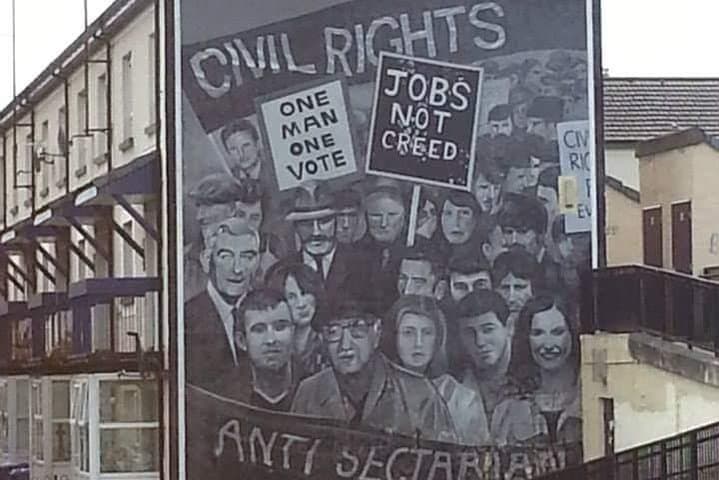
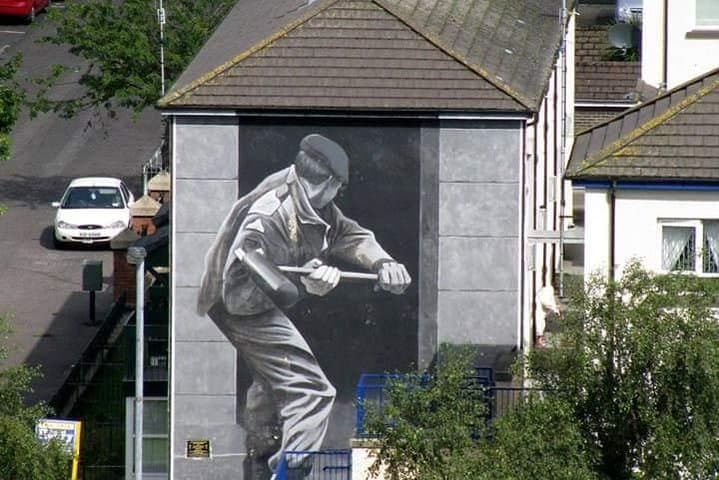
Derry’s story is layered: St Columb’s cathedral and the Guildhall speak to plantation-era town planning and seventeenth‑century sieges, while the murals of the Bogside and the Free Derry Corner map the political memory of the Troubles—Operation Motorman and Bloody Sunday are central chapters explained by a local guide who blends historical detail with community perspective.
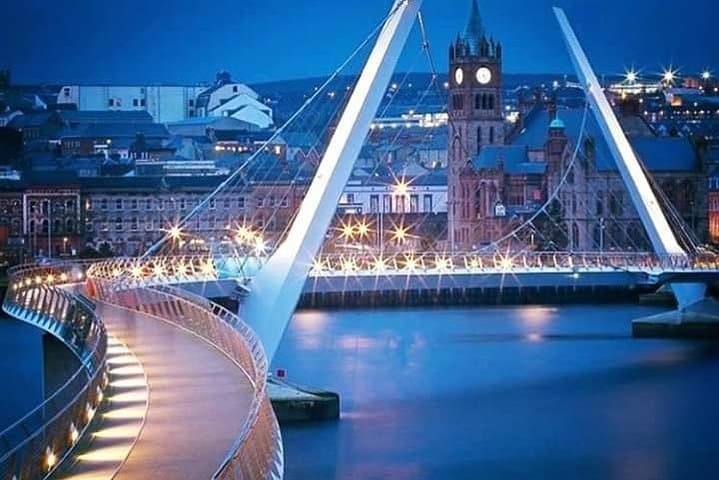
Geology and landscape are quieter narrators: the Foyle estuary and low, glaciated drumlin country frame the city and the nearby Grianán of Aileach on Donegal’s ridge-line offers sweeping views on clear days. Culturally the place is lively—museums, the Peace Bridge and the Derry Girls murals all reveal how art, politics and sport shape civic life.
Practicalities: expect 6–8 hours including several short walks on uneven cobbles and a private minivan for longer hops. Sites visited include the World Famous Free Derry Corner, Bogside murals, the city walls, Tower Museum and optional drive into County Donegal. Bring layered, waterproof clothing, comfortable walking shoes, a camera and some cash for optional entry fees or an extra stop. The tour balances accessible urban walking with responsible, ground-level historical interpretation—respect memorial sites, listen to local voices, and plan for a full, reflective day.
easy.
6–8 hours.
Suitable for most fitness levels; requires mobility for short urban walks and some stairs.
Pick‑up and drop‑off are arranged from Belfast hotels; exact times and meet points are confirmed at booking.
The itinerary is largely accessible and transport is wheelchair friendly, but some historic sites have cobbles and steps—notify the operator of mobility needs in advance.
Yes; the tour includes the Bogside, Free Derry Corner and options to visit the Museum of Free Derry with contextual commentary from your guide.
Yes—an optional stop at the Grianán of Aileach in County Donegal is offered for an extra fee paid on the day; bring ID for the brief border crossing.
Derry is one of Ireland’s oldest continuously inhabited settlements; its intact 17th‑century walls survived the Siege of Derry (1689) and the city later became a focal point of the 20th‑century civil rights movement and Bloody Sunday in 1972.
Support local museums and memorial projects that preserve fragile archives and oral histories; stick to marked paths on historic walls and avoid touching plaques or restored cannon to limit wear.
Giants Causeway Tours operates guided outdoor trips and adventures with an emphasis on safety, stewardship, and memorable experiences.

A grey morning in Belfast yields to a low sun as a private minivan eases onto the A6 and pushes northwest toward Derry~Londonderry. The River Foyle widens like an invitation, and by mid-morning visitors step from the van onto ramparts that still hold the geometry of 17th‑century defence. The walls offer a raised promenade of cannon, cobbles and views where the city’s recent past meets centuries of settlement.
A grey morning in Belfast yields to a low sun as a private minivan eases onto the A6 and pushes northwest toward Derry~Londonderry. The River Foyle widens like an invitation, and by mid-morning visitors step from the van onto ramparts that still hold the geometry of 17th‑century defence. The walls offer a raised promenade of cannon, cobbles and views where the city’s recent past meets centuries of settlement.
Derry’s story is layered: St Columb’s cathedral and the Guildhall speak to plantation-era town planning and seventeenth‑century sieges, while the murals of the Bogside and the Free Derry Corner map the political memory of the Troubles—Operation Motorman and Bloody Sunday are central chapters explained by a local guide who blends historical detail with community perspective.
Geology and landscape are quieter narrators: the Foyle estuary and low, glaciated drumlin country frame the city and the nearby Grianán of Aileach on Donegal’s ridge-line offers sweeping views on clear days. Culturally the place is lively—museums, the Peace Bridge and the Derry Girls murals all reveal how art, politics and sport shape civic life.
Practicalities: expect 6–8 hours including several short walks on uneven cobbles and a private minivan for longer hops. Sites visited include the World Famous Free Derry Corner, Bogside murals, the city walls, Tower Museum and optional drive into County Donegal. Bring layered, waterproof clothing, comfortable walking shoes, a camera and some cash for optional entry fees or an extra stop. The tour balances accessible urban walking with responsible, ground-level historical interpretation—respect memorial sites, listen to local voices, and plan for a full, reflective day.