THE ADVENTURE COLLECTIVE® · Independent discovery and booking for outdoor travel

Spend a day moving by tuk‑tuk, cycle rickshaw and Metro through four of Delhi’s most unusual museums — from ancient sanitation history to royal railway coaches and thousands of dolls. Expect easy walking, local lunch, and a curated look at India’s crafts and curiosities.
Spend a day moving by tuk‑tuk, cycle rickshaw and Metro through four of Delhi’s most unusual museums — from ancient sanitation history to royal railway coaches and thousands of dolls. Expect easy walking, local lunch, and a curated look at India’s crafts and curiosities.
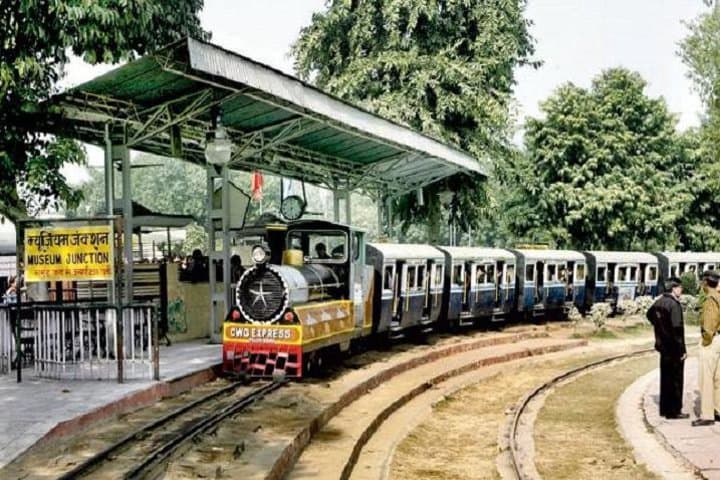
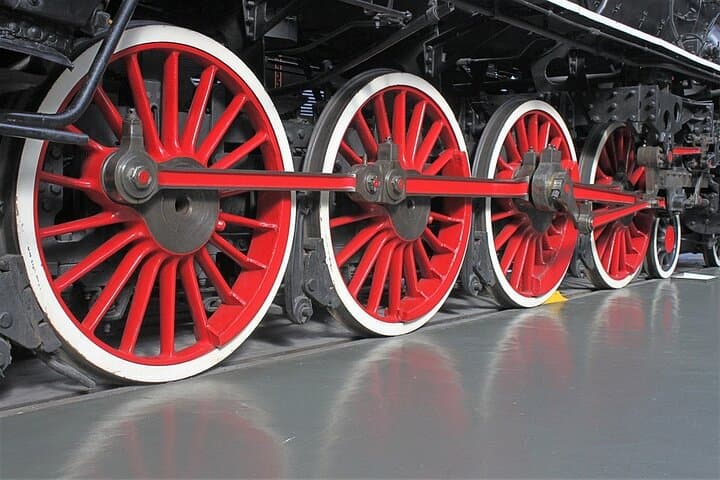
A morning heat wave softens as a tuk‑tuk nudges through lanes off Delhi’s broad avenues. The city’s noise becomes punctuation — a clack of metro doors, a rickshaw’s bell — as you move from one improbable collection to the next. By midday the Sulabh Museum’s curious displays of sanitation across millennia invite awkward laughter and thoughtful surprise; later, the hollow weight of a steam locomotive at the National Rail Museum presses the scale of industrial change into view.
Verified experiences and guided adventures in the surrounding area.
Operated by SITA World Tours · New Delhi, Delhi
A morning heat wave softens as a tuk‑tuk nudges through lanes off Delhi’s broad avenues. The city’s noise becomes punctuation — a clack of metro doors, a rickshaw’s bell — as you move from one improbable collection to the next. By midday the Sulabh Museum’s curious displays of sanitation across millennia invite awkward laughter and thoughtful surprise; later, the hollow weight of a steam locomotive at the National Rail Museum presses the scale of industrial change into view.
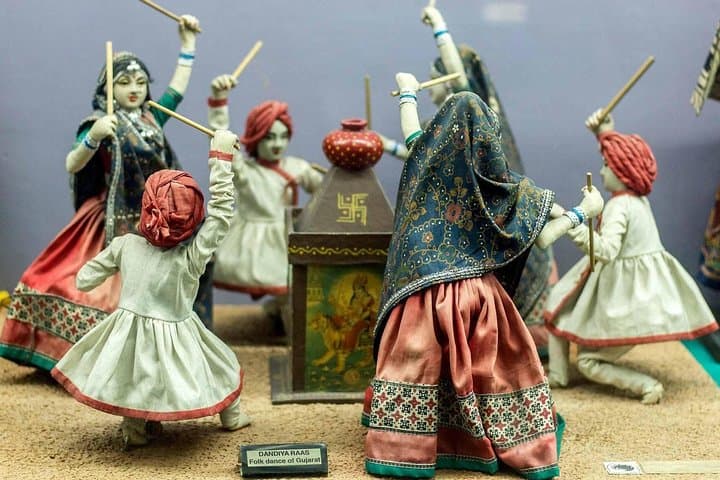
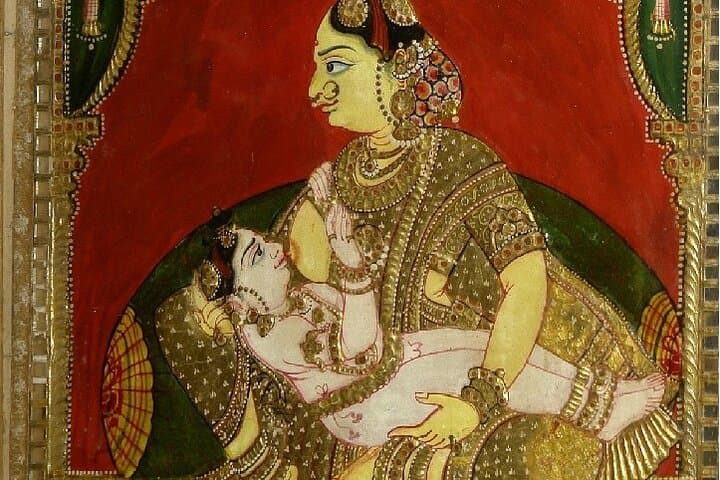
These tours stitch together threads of Delhi’s modern history: colonial-era rail expansion, rural craft traditions gathered inside a recreated village, and K. Shankar Pillai’s decades-long fascination with dolls and popular culture. Geology barely shows here — Delhi’s alluvial plain hums below the museums — but culture and craft dominate, from terracotta horses to embroidered textiles.
Practicalities shape the day: museums are compact but require steady walking, and several close on Mondays so timing matters. You’ll use tuk‑tuks and cycle rickshaws for short hops, then the Metro for longer stretches — expect traffic to determine transfer length. Lunch at a local restaurant gives a quick taste of Delhi’s foodways; bottled water is provided but carry an extra bottle on hot days.
Plan for light layers, comfortable shoes, and checkpoints at each museum for focused time with exhibits. Keep your camera ready but observe display rules; the tactile work you’ll see in the Crafts Museum rewards patient watching. This is a day built for curiosity — efficient, a little quirky, and deeply rooted in Delhi’s social history.
moderate.
6–7 hours.
Moderate fitness: able to walk several short city blocks and stand through exhibits; not strenuous.
Most are closed on Mondays; the itinerary specifically notes museum closures, so check the scheduled date before booking.
Hotel pickup and drop-off within the city center are included; a pickup confirmation is required after booking to set the exact meeting point.
Lunch is at a local restaurant and vegetarian options are available; note dietary requirements when booking so the guide can arrange them.
Children under 15 must be accompanied by an adult; the tour involves moderate walking and is not recommended for travelers with serious spinal or heart conditions.
The Sulabh International Museum (est. 1992) traces sanitation across 2,500 years, while the National Rail Museum preserves over 160 years of India's railway heritage; the Crafts Museum gathers rural art forms within recreated village structures.
Support local artisans by buying directly from museum craft demonstrations and use provided waste bins; museums encourage non-intrusive behavior to protect fragile textiles and papier-mâché exhibits.
SITA World Tours operates guided outdoor trips and adventures with an emphasis on safety, stewardship, and memorable experiences.
A morning heat wave softens as a tuk‑tuk nudges through lanes off Delhi’s broad avenues. The city’s noise becomes punctuation — a clack of metro doors, a rickshaw’s bell — as you move from one improbable collection to the next. By midday the Sulabh Museum’s curious displays of sanitation across millennia invite awkward laughter and thoughtful surprise; later, the hollow weight of a steam locomotive at the National Rail Museum presses the scale of industrial change into view.
A morning heat wave softens as a tuk‑tuk nudges through lanes off Delhi’s broad avenues. The city’s noise becomes punctuation — a clack of metro doors, a rickshaw’s bell — as you move from one improbable collection to the next. By midday the Sulabh Museum’s curious displays of sanitation across millennia invite awkward laughter and thoughtful surprise; later, the hollow weight of a steam locomotive at the National Rail Museum presses the scale of industrial change into view.
These tours stitch together threads of Delhi’s modern history: colonial-era rail expansion, rural craft traditions gathered inside a recreated village, and K. Shankar Pillai’s decades-long fascination with dolls and popular culture. Geology barely shows here — Delhi’s alluvial plain hums below the museums — but culture and craft dominate, from terracotta horses to embroidered textiles.
Practicalities shape the day: museums are compact but require steady walking, and several close on Mondays so timing matters. You’ll use tuk‑tuks and cycle rickshaws for short hops, then the Metro for longer stretches — expect traffic to determine transfer length. Lunch at a local restaurant gives a quick taste of Delhi’s foodways; bottled water is provided but carry an extra bottle on hot days.
Plan for light layers, comfortable shoes, and checkpoints at each museum for focused time with exhibits. Keep your camera ready but observe display rules; the tactile work you’ll see in the Crafts Museum rewards patient watching. This is a day built for curiosity — efficient, a little quirky, and deeply rooted in Delhi’s social history.