THE ADVENTURE COLLECTIVE® · Independent discovery and booking for outdoor travel

Descend into one of South Africa’s most storied mines and stand where the world’s largest gem diamonds began their journey. This guided underground tour combines industrial geology, living mining history and a post‑tour market for local jewelry.
Descend into one of South Africa’s most storied mines and stand where the world’s largest gem diamonds began their journey. This guided underground tour combines industrial geology, living mining history and a post‑tour market for local jewelry.
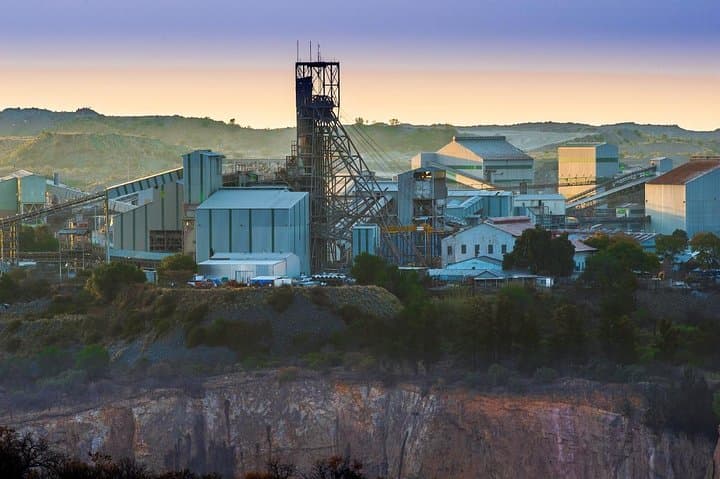
You step off the minivan as dust lifts from a red dirt road and the mine’s cooling towers silhouette against a wide, high-Afridity sky.
Verified experiences and guided adventures in the surrounding area.
Operated by Bono Tours and Safaris · Cullinan, Gauteng
You step off the minivan as dust lifts from a red dirt road and the mine’s cooling towers silhouette against a wide, high-Afridity sky.
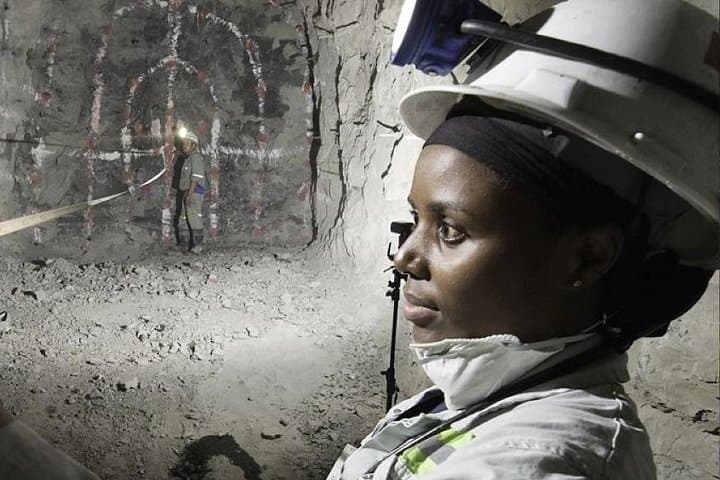
A guide meets you with a hard hat; the shaft mouth gapes like a cut in the earth, and the air smells faintly of crushed rock and history. Walking into the working Cullinan (formerly Premier) Mine puts you beside a living industrial landscape—rattling conveyors, lit tunnels and the slow geometry of an operation that has produced some of the planet’s largest gem-quality diamonds.
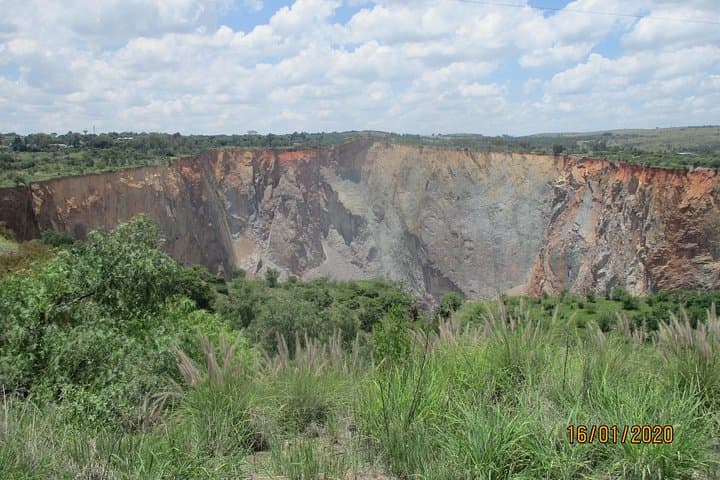
Discovered in 1902 and famous for the 3,106‑carat Cullinan stone found in 1905, the site blends early 20th‑century mining lore with modern underground methods and ongoing Kimberlite geology. Local culture centers on the small town of Cullinan and its mining heritage; after the tour the nearby market offers locally made silver and diamond jewelry alongside cafés serving South African staples.
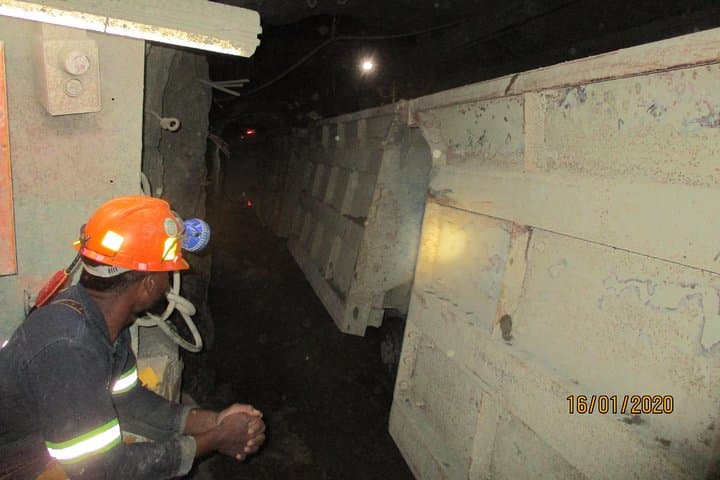
Practically, expect uneven steps, low tunnel ceilings and several flights of stairs; the route is guided and typically slow-paced but requires steady footing and a moderate fitness level. Bring layered clothing—the surface can be hot and the underground markedly cooler—and a small daypack for water and personal items. Photography rules are enforced in operational areas; purchases at the mine market are authentic but verify certificates.
The tour is as much about place as gem lore: geology that pushed diamonds to the surface, a workforce that keeps shafts alive, and a chance to stand where centuries of gems were first revealed.
moderate.
8–10 hours.
Moderate fitness—able to walk stairs and stand for periods; not suitable for those with serious mobility issues or late-stage pregnancy.
Children are allowed but must be supervised; tunnels have stairs and safety restrictions—confirm age limits with the operator before booking.
Photography is restricted in some operational areas for safety and security—ask your guide where photos are permitted.
Yes—after the tour the Cullinan market and local vendors sell diamonds and jewelry; request certificates and buy from reputable sellers.
The underground route includes stairs and uneven surfaces and is not recommended for those with limited mobility or for pregnant travelers.
The Premier (Cullinan) kimberlite pipe was discovered in 1902; the 1905 Cullinan diamond became the largest rough gem ever found and pieces were cut for the British Crown Jewels.
Active mining has long-term impacts; current operators emphasize responsible stewardship, rehabilitation of disturbed land and community programs to offset local effects.
Bono Tours and Safaris operates guided outdoor trips and adventures with an emphasis on safety, stewardship, and memorable experiences.
You step off the minivan as dust lifts from a red dirt road and the mine’s cooling towers silhouette against a wide, high-Afridity sky.
You step off the minivan as dust lifts from a red dirt road and the mine’s cooling towers silhouette against a wide, high-Afridity sky.
A guide meets you with a hard hat; the shaft mouth gapes like a cut in the earth, and the air smells faintly of crushed rock and history. Walking into the working Cullinan (formerly Premier) Mine puts you beside a living industrial landscape—rattling conveyors, lit tunnels and the slow geometry of an operation that has produced some of the planet’s largest gem-quality diamonds.
Discovered in 1902 and famous for the 3,106‑carat Cullinan stone found in 1905, the site blends early 20th‑century mining lore with modern underground methods and ongoing Kimberlite geology. Local culture centers on the small town of Cullinan and its mining heritage; after the tour the nearby market offers locally made silver and diamond jewelry alongside cafés serving South African staples.
Practically, expect uneven steps, low tunnel ceilings and several flights of stairs; the route is guided and typically slow-paced but requires steady footing and a moderate fitness level. Bring layered clothing—the surface can be hot and the underground markedly cooler—and a small daypack for water and personal items. Photography rules are enforced in operational areas; purchases at the mine market are authentic but verify certificates.
The tour is as much about place as gem lore: geology that pushed diamonds to the surface, a workforce that keeps shafts alive, and a chance to stand where centuries of gems were first revealed.