THE ADVENTURE COLLECTIVE® · Independent discovery and booking for outdoor travel

Explore Comuna 13 with local guides who map its past and paint its present. This three-hour walking tour mixes street art, personal stories and neighborhood flavors—expect escalators, breakdancers and artisan snacks.
Explore Comuna 13 with local guides who map its past and paint its present. This three-hour walking tour mixes street art, personal stories and neighborhood flavors—expect escalators, breakdancers and artisan snacks.
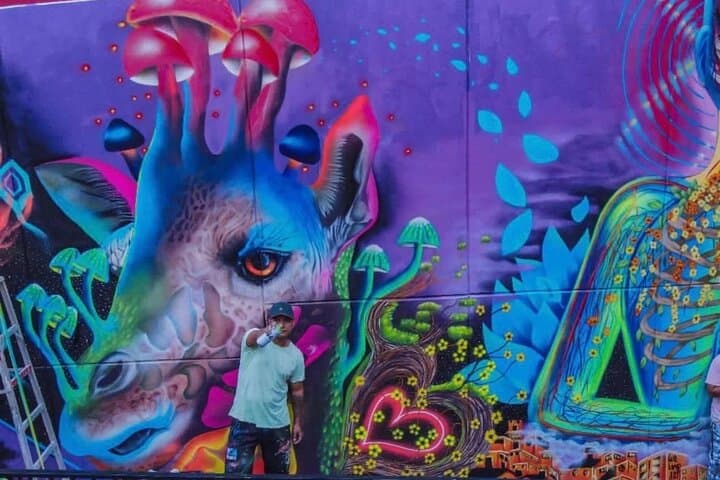
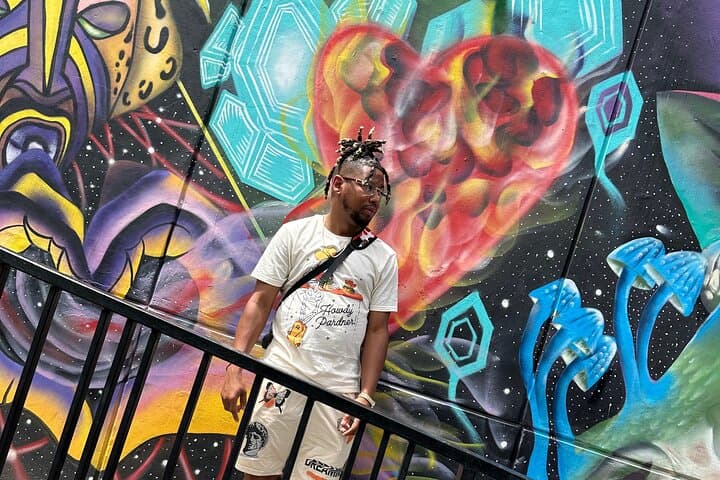
You step out of the metro and the hill breathes—steep concrete ribs, painted stairways and the electric escalators that climb like a moving public plaza. Local guides in green shirts lead the group into tight lanes where murals call out stories: families, victims, hope and humor layered in spray paint and wheatpaste.
Verified experiences and guided adventures in the surrounding area.
Operated by Medellín History Tours · Medellín, Antioquia
You step out of the metro and the hill breathes—steep concrete ribs, painted stairways and the electric escalators that climb like a moving public plaza. Local guides in green shirts lead the group into tight lanes where murals call out stories: families, victims, hope and humor layered in spray paint and wheatpaste.
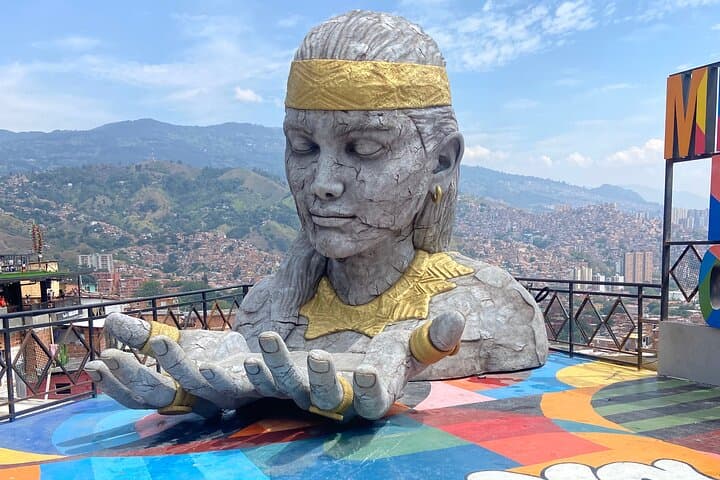
Comuna 13 sits on the western flank of Medellín’s Aburrá Valley. Once known for violent conflict through the 1980s–2000s, the neighborhood has been reshaped by urban projects, social programs and the installation of outdoor escalators that altered mobility and became canvases for artists. Geologically, the area is steep hillside carved by Andean tributaries; narrow streets and switchback alleys reflect a landscape that demanded vertical solutions.
Culture here is performative and public—breakdancers spin in doorways, MCs riff on transformation and elders sell butifarras and empanadas beside artisanal mango biche ice cream. The tour threads art interpretation with social context: each piece is explained for its symbolism, the artist’s voice and the community initiative that funded murals and workshops.
Practical notes: the walk is about three hours with periods of standing and stair climbing; comfortable footwear and small bills for street snacks are recommended. Photography is welcome but ask before shooting performers or private homes. The route is wheelchair accessible in parts via the escalators, though some lanes remain steep. Morning or late-afternoon light gives the murals depth; avoid heavy rain when alleys become slick. Respectful curiosity goes further than flash—listen, ask, and support local vendors to make the visit meaningful for both traveler and neighborhood.
easy.
3 hours.
Light-moderate: able to stand, walk several blocks and manage stairs or escalators
Yes; guided daytime tours are generally safe. Guides are local and know which streets to use; follow their advice and keep valuables secure.
No—tastings like mango biche ice cream, empanadas and butifarras are offered but typically paid for on-site with cash.
Parts of the route use the outdoor escalators and are accessible, but some alleyways and viewpoints involve stairs or uneven surfaces—check with the operator if full accessibility is required.
Guides commonly offer Spanish; many tours provide English-speaking guides or bilingual support—confirm language options at booking.
Comuna 13 was once one of Medellín’s most violent neighborhoods; a combination of social programs, public art and infrastructure—most visibly the outdoor escalators—helped spark a community-led transformation.
Support local economies by buying from vendors and artists, avoid touching or defacing murals, and carry out any trash to minimize impact.
Medellín History Tours operates guided outdoor trips and adventures with an emphasis on safety, stewardship, and memorable experiences.
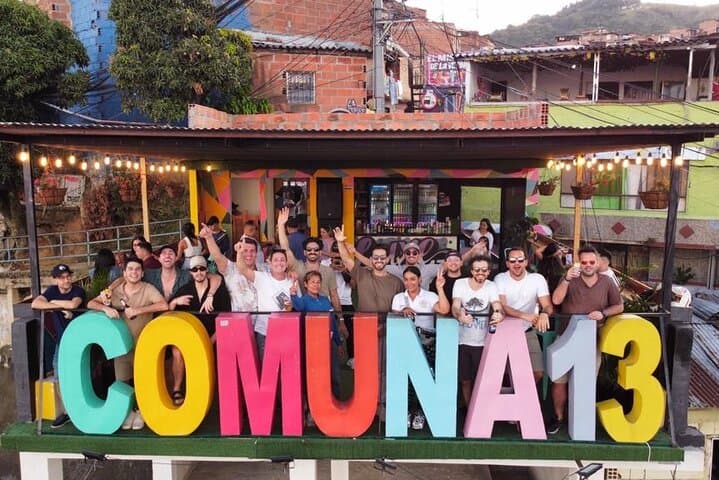
You step out of the metro and the hill breathes—steep concrete ribs, painted stairways and the electric escalators that climb like a moving public plaza. Local guides in green shirts lead the group into tight lanes where murals call out stories: families, victims, hope and humor layered in spray paint and wheatpaste.
You step out of the metro and the hill breathes—steep concrete ribs, painted stairways and the electric escalators that climb like a moving public plaza. Local guides in green shirts lead the group into tight lanes where murals call out stories: families, victims, hope and humor layered in spray paint and wheatpaste.
Comuna 13 sits on the western flank of Medellín’s Aburrá Valley. Once known for violent conflict through the 1980s–2000s, the neighborhood has been reshaped by urban projects, social programs and the installation of outdoor escalators that altered mobility and became canvases for artists. Geologically, the area is steep hillside carved by Andean tributaries; narrow streets and switchback alleys reflect a landscape that demanded vertical solutions.
Culture here is performative and public—breakdancers spin in doorways, MCs riff on transformation and elders sell butifarras and empanadas beside artisanal mango biche ice cream. The tour threads art interpretation with social context: each piece is explained for its symbolism, the artist’s voice and the community initiative that funded murals and workshops.
Practical notes: the walk is about three hours with periods of standing and stair climbing; comfortable footwear and small bills for street snacks are recommended. Photography is welcome but ask before shooting performers or private homes. The route is wheelchair accessible in parts via the escalators, though some lanes remain steep. Morning or late-afternoon light gives the murals depth; avoid heavy rain when alleys become slick. Respectful curiosity goes further than flash—listen, ask, and support local vendors to make the visit meaningful for both traveler and neighborhood.