THE ADVENTURE COLLECTIVE® · Independent discovery and booking for outdoor travel

Ride and walk a 3‑hour loop through Downtown Cincinnati’s transit history, from the streetcar loop to the abandoned subway and Union Terminal. This tour pairs on-streetcar segments with stops at Fountain Square, Findlay Market and key infrastructure sites.
Ride and walk a 3‑hour loop through Downtown Cincinnati’s transit history, from the streetcar loop to the abandoned subway and Union Terminal. This tour pairs on-streetcar segments with stops at Fountain Square, Findlay Market and key infrastructure sites.
Stand on the south steps of the Banks, feel the streetcar hum beneath your feet, and watch Downtown Cincinnati fold past — brick storefronts, Art Deco vaults, and the riverward curve of old rail alignments.
Verified experiences and guided adventures in the surrounding area.
Operated by pink party LLC · Cincinnati, Ohio
Stand on the south steps of the Banks, feel the streetcar hum beneath your feet, and watch Downtown Cincinnati fold past — brick storefronts, Art Deco vaults, and the riverward curve of old rail alignments.
This three-hour loop is a forensic walk through the city's transportation story. Guides trace the Riverfront Transit Center — a cavernous remnant sometimes called Cincinnati’s second abandoned subway — and point to the concrete ribs of highway projects and Kenyon-Barr urban renewal that reshaped neighborhoods in the 1960s. The route frames the Union Terminal from a distance, explains its near-demolition and revival, and passes Findlay Market and Fountain Square as stops along contemporary civic life.
Geology and hydrology matter here: the Ohio River carved terraces that directed early rail and road corridors, while glacial deposits created the flat plains that made Cincinnati a transport hub. Culture shows in market voices at Findlay and the repurposed grandeur of Netherland Plaza’s lobby; the city’s transit debates are a living dialogue between preservation and new infrastructure.
Practical guidance: expect mostly curb-to-curb walking, short on-streetcar rides, and multiple photo stops. Wear comfortable shoes, bring a refillable water bottle, and plan to end at Findlay Market for lunch. The tour is wheelchair accessible and suitable for most fitness levels, but check for stroller or powered-wheelchair needs ahead of time. For transit-minded travelers, this is a compact, context-rich primer on how infrastructure shapes cities — and how citizens try to fix what decades of planning left behind.
easy.
3 hours.
Suitable for most fitness levels; involves standing, short walks, and getting on/off streetcars.
The tour makes use of Cincinnati’s streetcar and transport amenities are listed as included; confirm the exact fare policy with the operator when you book.
Yes — routes and many surfaces are wheelchair accessible; powered-wheelchair users or those needing assistance should contact the guide ahead to confirm logistics.
Expect intermittent short walks between stops and on/off streetcar boarding; total walking distance is moderate and suitable for most participants.
Yes — the tour concludes at Findlay Market with many nearby lunch options and directions provided to return to the tour start if you wish to complete the full loop.
Cincinnati’s transit story includes an unfinished subway beneath Central Parkway, mid‑century urban renewal projects like Kenyon‑Barr, and the restoration story of Cincinnati Union Terminal.
Promoting public transit reduces car reliance downtown; tour groups encourage responsible use of public spaces and support local businesses such as Findlay Market.
pink party LLC operates guided outdoor trips and adventures with an emphasis on safety, stewardship, and memorable experiences.
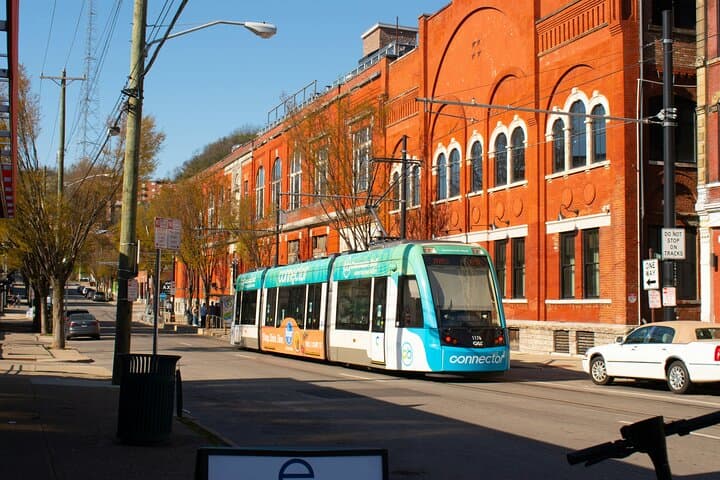
Stand on the south steps of the Banks, feel the streetcar hum beneath your feet, and watch Downtown Cincinnati fold past — brick storefronts, Art Deco vaults, and the riverward curve of old rail alignments.
Stand on the south steps of the Banks, feel the streetcar hum beneath your feet, and watch Downtown Cincinnati fold past — brick storefronts, Art Deco vaults, and the riverward curve of old rail alignments.
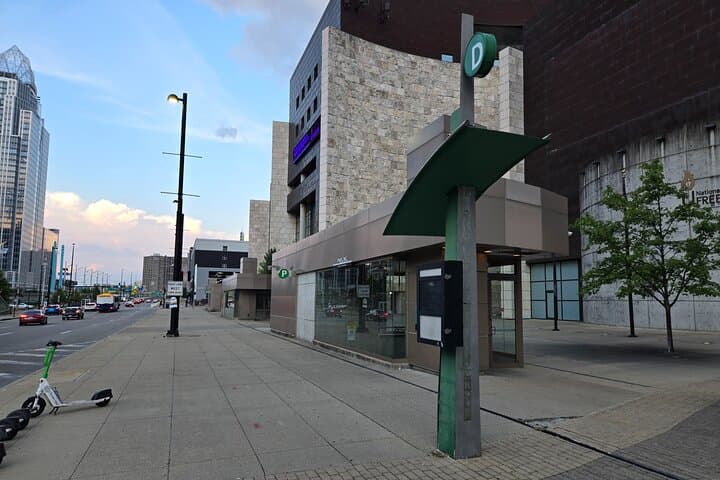
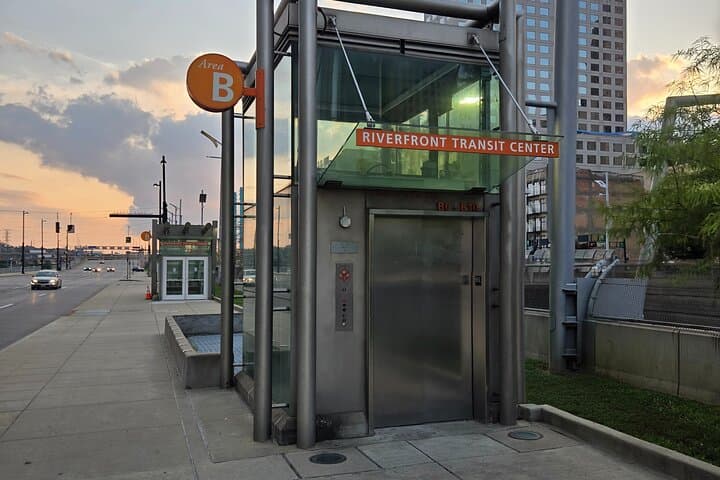
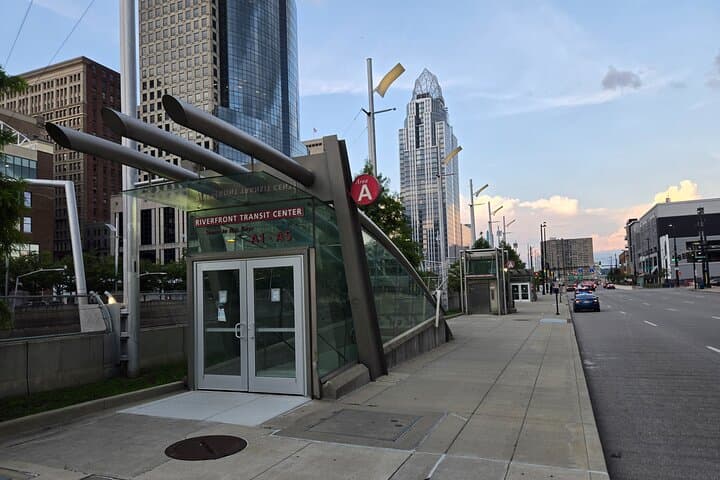
This three-hour loop is a forensic walk through the city's transportation story. Guides trace the Riverfront Transit Center — a cavernous remnant sometimes called Cincinnati’s second abandoned subway — and point to the concrete ribs of highway projects and Kenyon-Barr urban renewal that reshaped neighborhoods in the 1960s. The route frames the Union Terminal from a distance, explains its near-demolition and revival, and passes Findlay Market and Fountain Square as stops along contemporary civic life.
Geology and hydrology matter here: the Ohio River carved terraces that directed early rail and road corridors, while glacial deposits created the flat plains that made Cincinnati a transport hub. Culture shows in market voices at Findlay and the repurposed grandeur of Netherland Plaza’s lobby; the city’s transit debates are a living dialogue between preservation and new infrastructure.
Practical guidance: expect mostly curb-to-curb walking, short on-streetcar rides, and multiple photo stops. Wear comfortable shoes, bring a refillable water bottle, and plan to end at Findlay Market for lunch. The tour is wheelchair accessible and suitable for most fitness levels, but check for stroller or powered-wheelchair needs ahead of time. For transit-minded travelers, this is a compact, context-rich primer on how infrastructure shapes cities — and how citizens try to fix what decades of planning left behind.